Is College Preparing Students for Work? A Practical Look

Is college preparing students for work? The honest answer is: sometimes, but not automatically. A degree can provide subject knowledge, structured practice, feedback, and evidence of persistence. Yet many workplaces also expect graduates to communicate clearly, solve unfamiliar problems, work with others, use digital tools, and make sound decisions in real situations. Those skills may be developed in college, but students often need to pursue them deliberately.
This is not an argument that college has no value, nor that every job requires a degree. It is a practical question for students choosing courses, parents offering guidance, and teachers designing learning experiences: how can education connect more meaningfully to the work students hope to do?
What college can do well
At its best, college gives students time to think deeply. In fields such as nursing, engineering, education, accounting, science, and computer science, formal coursework can introduce essential concepts, standards, methods, and ethical responsibilities. Even in broad majors, students can learn how to research, evaluate sources, construct an argument, and revise their work after critique.
These are not minor benefits. Employers may use different software or procedures from one year to the next, but the ability to learn, question assumptions, and explain reasoning remains useful across roles. College can also help students discover what they do not enjoy before they make a long-term career commitment.
Still, completing assignments is not always the same as being ready for a workplace. A student may earn strong grades while having little experience with deadlines that shift, unclear instructions, team disagreements, customer needs, or the consequences of a decision outside the classroom.
Why the gap between class and work can feel real
Workplaces and classrooms operate differently. In a course, the task, grading criteria, and deadline are often clearly defined. At work, a manager may ask for a recommendation without specifying every step. Colleagues may have competing priorities. A useful answer may require asking questions, finding information, choosing a reasonable approach, and communicating progress before the final result is ready.
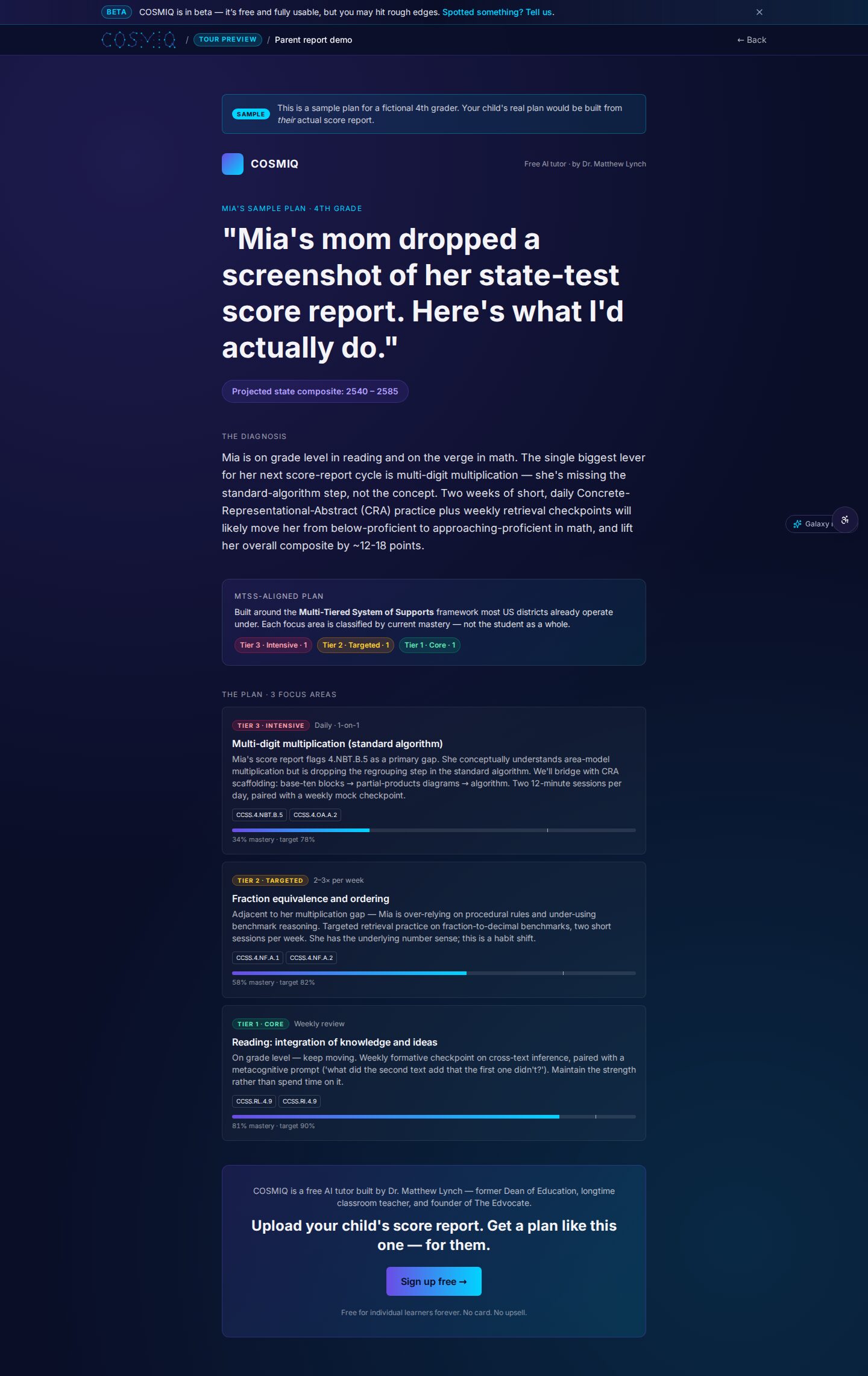
Employers also tend to value professional habits that are difficult to demonstrate through exams alone. These include reliability, respectful communication, organization, listening, initiative, and the ability to receive feedback without becoming defensive. Technical knowledge matters, but it is often most effective when paired with these habits.
Skills students should practice alongside coursework
- Written communication: writing concise emails, summaries, instructions, and reports for a real audience.
- Oral communication: explaining an idea clearly, asking useful questions, and presenting with appropriate confidence.
- Collaboration: dividing work fairly, documenting decisions, handling disagreement, and following through.
- Problem-solving: defining the problem before jumping to a solution and testing assumptions with evidence.
- Digital judgment: learning new tools responsibly, organizing files, protecting privacy, and checking AI-supported work for errors.
- Self-management: planning tasks, meeting commitments, and recognizing when to ask for help.
How students can make college more career-relevant
Students do not need to have their entire future mapped out in their first semester. They can, however, treat each term as an opportunity to gather evidence about their interests and strengths. The goal is not to build an impressive-looking list of activities; it is to gain experience, reflect on it, and learn to describe what was learned.
- Choose projects with a real audience. When possible, select assignments connected to a local organization, campus group, community issue, or professional question. Work becomes more meaningful when someone might use it.
- Seek low-stakes experience early. A part-time job, volunteer role, student organization, lab assistant position, campus office role, or short project can teach valuable workplace routines. These experiences also help students rule out paths that do not fit.
- Build a small portfolio. Save strong examples of writing, presentations, designs, code, research posters, lesson plans, or project reflections. Remove private information and add a brief note explaining the task, your role, and what you would improve.
- Practice talking about learning. After a course or job, ask: What problem did I help solve? What tools did I use? What feedback changed my approach? This reflection makes interviews and applications easier later.
- Use career support before the final year. Career centers, faculty office hours, alumni events, and informational conversations can clarify job titles and required skills. A thoughtful question is often more useful than waiting for a perfect networking opportunity.
How parents and teachers can help without adding pressure
Parents can support career readiness by focusing on exploration rather than demanding a fixed plan. Instead of asking only, “What are you going to major in?” try asking, “What kind of problems do you enjoy working on?” or “What did you learn about yourself in that experience?” These questions encourage reflection and reduce the idea that one early choice determines an entire career.
Teachers can make workplace connections visible without turning every class into job training. Clear rubrics, group roles, revision cycles, presentations, and authentic problem-based tasks all help students practice transferable skills. It also helps to name those skills explicitly. A student who has coordinated a group research project may not realize they have practiced project planning and collaboration until an educator points it out.
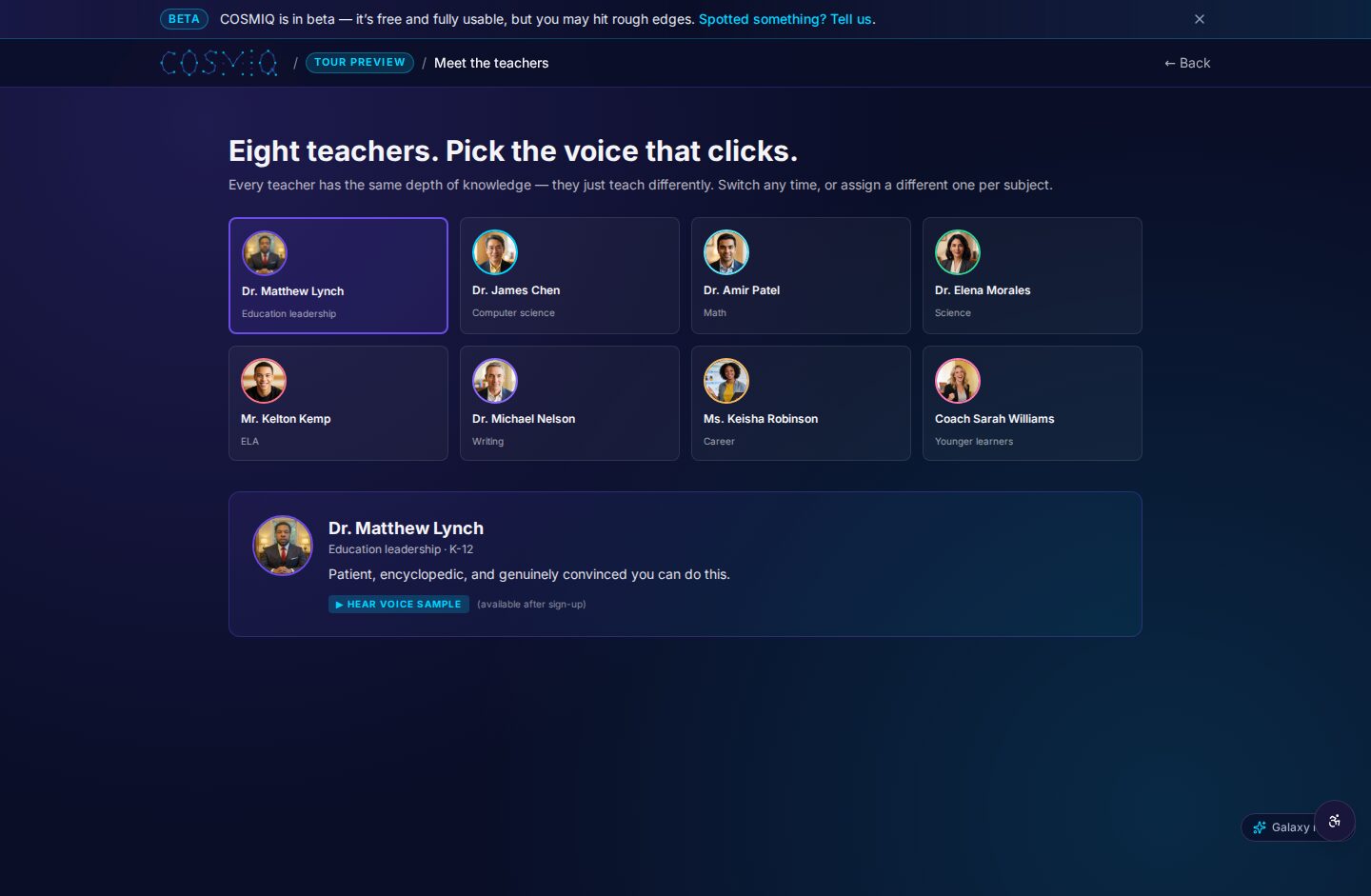
Career readiness is not a single course, credential, or internship. It is the growing ability to learn, contribute, communicate, and adapt in changing situations.
For learners who need extra practice, short voice-based explanations can be useful for rehearsing an interview answer, talking through a difficult concept, or organizing the next step in a project. The important part is active practice: explain your thinking, receive feedback, and try again.
A better question than “Is college enough?”
College can be a strong foundation for work, especially when students connect academic learning with experience and reflection. But a degree alone cannot capture every skill a workplace demands, and no single pathway suits every learner. Students are better served by asking, “How can I use my education to become more capable in real settings?”
That question leads to practical action: take learning seriously, look for opportunities beyond the syllabus, practice communication, and stay open to adjustment. Whether a student pursues college, training, work, or a combination of paths, preparation grows through repeated chances to learn and contribute.
Learn anything, free.
COSMIQ is a free, voice-driven AI tutor for every learner. No credit card, ever.
Start learning free →