Keeping Kids Safe Online: Norton 360's Scam Protection for the 2026 School Year

The start of a new school year often means new textbooks, new routines, and for many students, increased time spent online. From research projects to connecting with classmates, digital tools are an integral part of modern education. However, this increased online engagement also brings a heightened risk of digital scams, a concern Norton is addressing with its Norton 360 product.
According to an announcement from Norton, the company is bolstering its scam protection features within Norton 360 to help families navigate the digital landscape more safely as students return to their studies in 2026. This initiative highlights the critical need for robust cybersecurity measures, especially when it comes to protecting younger users who may be less experienced at identifying online threats.
The Evolving Landscape of Online Scams for Students
The digital world is constantly changing, and unfortunately, so are the tactics used by scammers. What might have been a recognizable phishing email a few years ago has evolved into sophisticated text messages, social media lures, and deceptive websites. For students, these scams can take many forms:
- Phishing for Login Credentials: Scammers might impersonate school administrators, teachers, or even popular online gaming platforms to trick students into revealing usernames and passwords.
- Fake Deals and Freebies: Offers for free gaming currency, discounted school supplies, or exclusive content can be used to lure children to malicious websites designed to steal personal information.
- Malicious Links in Messages: Texts or direct messages appearing to be from friends or unknown contacts might contain links to sites that download malware or attempt to extract sensitive data.
- Impersonation Scams: Scammers may pretend to be a student's friend in distress, asking for money or personal details.
Norton emphasizes that as kids go back online, these scams evolve faster than many parents realize. This makes proactive protection and ongoing education essential for families.
How Norton 360 Aims to Help
Norton's approach with Norton 360's Scam Protection is designed to be a frontline defense against these types of threats. According to the organization, the software aims to detect scam texts and websites before they even reach a child's device. This proactive blocking mechanism is crucial, as it reduces the chance of a child accidentally interacting with a harmful link or message.

The company states that Norton 360 blocks scams on mobile devices, on average, every two seconds. This rapid detection and blocking capability is a significant benefit for parents seeking to create a safer online environment for their children. By intercepting these threats early, Norton 360 aims to prevent potential data breaches, financial fraud, and exposure to inappropriate content.
For parents and educators, understanding these tools and how they function can be a valuable part of a broader strategy for digital literacy. While technology can provide a strong defense, open conversations with children about online dangers remain paramount.
Beyond Technology: Fostering Digital Literacy
While tools like Norton 360 offer an important layer of protection, they are most effective when combined with education and open communication within families and schools. Teaching children to identify suspicious messages, understand the risks of sharing personal information, and know when to ask for help are vital skills for navigating the digital world.
Here are some tips for parents and teachers:
- Talk Openly: Regularly discuss online safety with children. Encourage them to share anything that makes them feel uncomfortable or suspicious online.
- Teach Critical Thinking: Help children question unexpected messages or offers that seem too good to be true. Explain why some links might be dangerous.
- Review Privacy Settings: Work with children to understand and adjust privacy settings on social media and other online platforms.
- Lead by Example: Demonstrate good online habits yourself, such as using strong passwords and being cautious about clicking on unknown links.
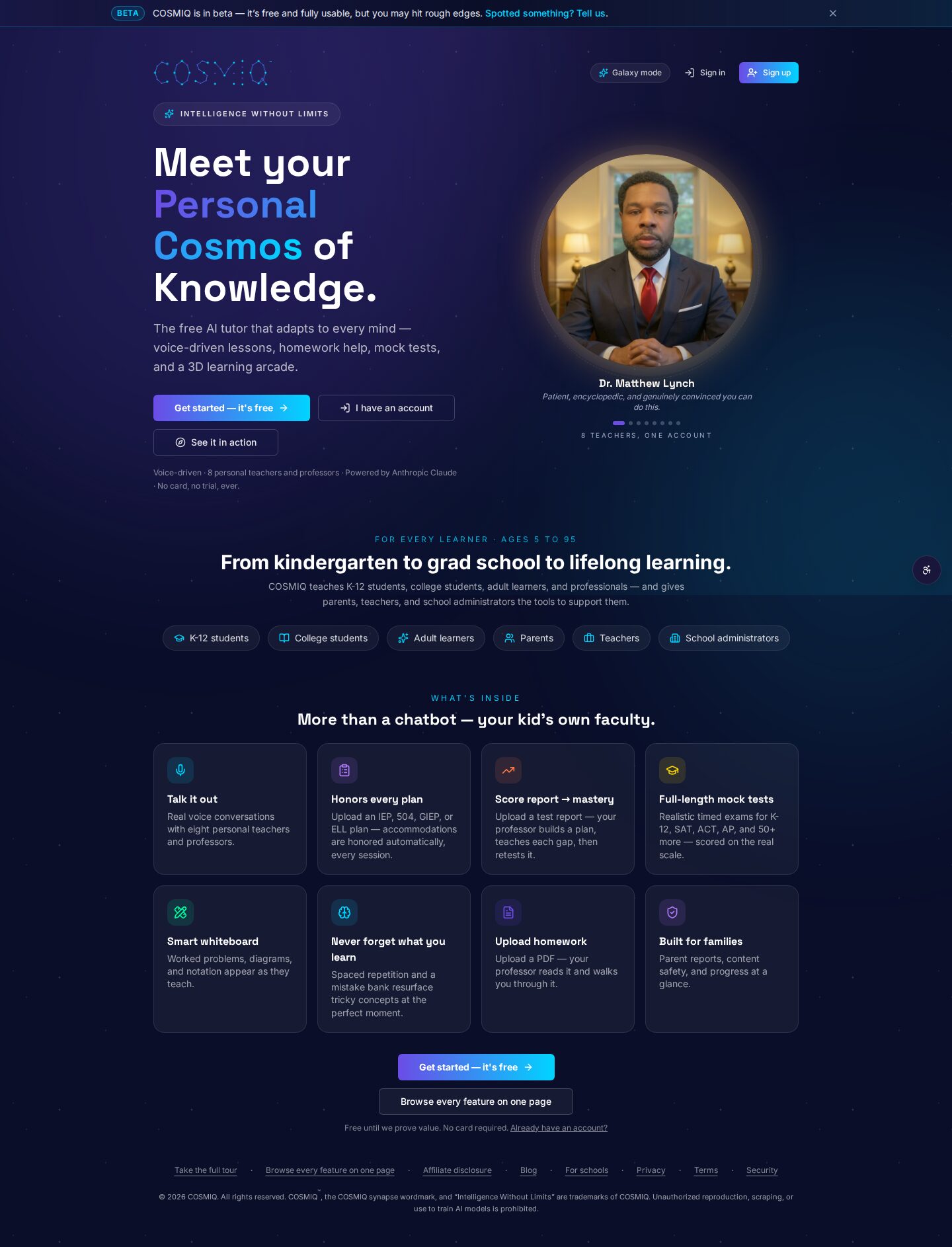
- Utilize Educational Resources: Platforms dedicated to learning can also be part of a safe online routine. For instance, COSMIQ offers free voice-driven AI tutoring for K-12 students, providing a secure and supportive environment for academic growth without the distractions or risks of less moderated online spaces. Students can also find a wealth of resources in the free practice hub by grade and subject to reinforce their learning.
The partnership between robust cybersecurity tools and informed digital citizenship creates the strongest defense against online threats.
A Commitment to Safer Online Learning
Norton's continued development in scam protection, particularly for mobile devices, reflects an important commitment to user safety in an increasingly connected world. As students embark on the 2026-2027 school year, the digital tools they use will be more integrated into their learning than ever before. Companies like Norton, by focusing on evolving threats, play a significant role in helping to ensure that this digital integration is as safe and productive as possible.
For parents and educators, the availability of such protective measures offers a degree of reassurance, allowing them to focus more on the educational benefits of technology while having a stronger defense against its potential pitfalls. It's a reminder that while the digital world presents challenges, innovation in cybersecurity is continually working to meet them.
Learn anything, free.
COSMIQ is a free, voice-driven AI tutor for every learner. No credit card, ever.
Start learning free →