Keeping Students Connected Before They Drift Away

Students rarely disengage all at once. More often, the shift is gradual: a learner stops asking questions, misses a few assignments, withdraws from classmates, or begins to say that school is pointless. By the time a student formally leaves a course, changes schools, or gives up on a goal, adults may have missed several earlier opportunities to reconnect. Keeping students means paying attention while they are still present, listening without assumptions, and responding to the obstacles that make participation hard.
Notice the signals, not just the final outcome
Attendance, grades, and behavior records matter, but they are lagging indicators when viewed alone. A student can be physically present and still feel disconnected. Teachers, families, and school staff can look for patterns that suggest a learner needs support: a sudden decline in submitted work, repeated late arrivals, silence from a previously active student, frequent requests to leave class, or a loss of confidence after one difficult unit.
The goal is not to label a student as unmotivated. Instead, treat a change in engagement as a question: What might be making school harder right now? Academic gaps, family responsibilities, peer conflict, anxiety, language barriers, transportation, financial pressure, and uncertainty about the future can all affect participation. The same outward behavior may have very different causes.
Build a simple early-check routine
- Review attendance, participation, and missing work regularly for changes rather than waiting for a major problem.
- Make brief, private check-ins part of normal classroom practice so they do not feel punitive.
- Ask specific, open questions such as, “What part of this week has felt most difficult?”
- Share concerns early with the appropriate school team and family, while protecting the student’s dignity.
- Record what support was offered and whether it helped, so the next conversation can be more useful.
Make belonging a daily practice
Students are more likely to stay engaged when they believe they are known, respected, and needed. Belonging is not created by one assembly or a motivational slogan. It is built through small, repeated experiences: hearing names pronounced correctly, seeing their cultures and interests reflected in learning, receiving feedback that is honest and encouraging, and having adults who follow up after a difficult day.
Teachers can strengthen connection without lowering academic expectations. Greet students at the door, learn what they care about, and give them meaningful choices in how they participate or demonstrate learning. Create structures that let every student contribute, not only the quickest speakers. When a student struggles, separate the person from the performance: the assignment may need revision, but the learner remains capable of growth.
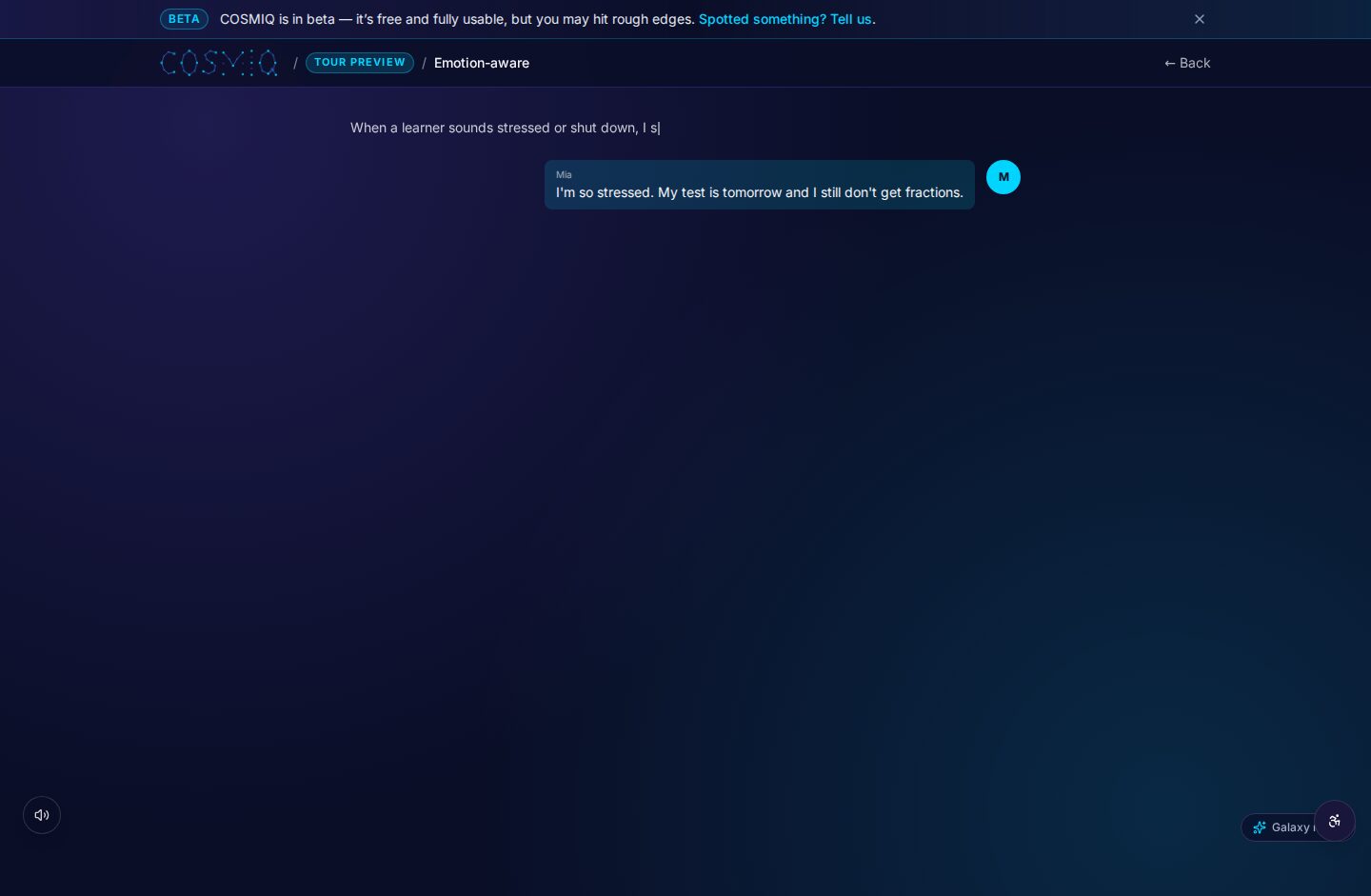
A timely “I noticed you were not yourself today—would you like to talk?” can matter more than a perfect intervention plan that arrives too late.
For school leaders, belonging also means examining routines that unintentionally push students to the margins. Consider who is repeatedly removed from instruction, who has access to clubs and advanced courses, whose concerns receive a quick response, and which students are missing from decision-making conversations.
Remove barriers with practical, coordinated support
Concern alone does not keep students enrolled or engaged. Students need support that fits the barrier they are facing. A learner who is behind in math may need targeted practice and a patient explanation. A learner with inconsistent internet access may need flexible ways to complete work. A student caring for siblings may need a realistic plan for deadlines. Broad encouragement is valuable, but it works best alongside concrete next steps.
Start with one manageable plan
- Meet with the student and identify the most urgent obstacle from their perspective.
- Choose one or two short-term goals, such as attending first period for five days or completing two priority assignments.
- Agree on the support: tutoring, a check-in adult, adjusted deadlines, peer help, counseling referral, or family communication.
- Clarify who will follow up and when. Vague plans often disappear in busy weeks.
- Review progress with the student, celebrate effort, and revise the plan if it is not working.
Voice-based tutoring can be useful for students who feel stuck but do not know where to begin. Talking through a problem aloud can reveal misunderstandings, reduce the pressure of a blank page, and help learners practice explaining their thinking. It should complement, not replace, the relationships and professional support available through teachers, families, and school staff.
Partner with families and give students a real voice
Families often notice changes before school staff do, and they may hold important context about what a student is carrying outside the classroom. Contact should not begin only when there is bad news. Brief positive messages, clear explanations of expectations, and accessible communication channels make it easier to collaborate when a concern arises.
Approach families as partners rather than as people to inform or blame. Ask what has worked for the student before, whether there are current stresses the school should understand, and what communication method is most practical. Avoid jargon, offer interpretation or translation when needed, and focus conversations on shared goals.
Most importantly, include the student in every plan that affects them. Young people are more likely to engage with support when they understand its purpose and can shape it. Ask what helps them feel successful, which adults they trust, and what school could do differently. Listening does not mean agreeing to every request; it means treating students as active participants in their own education.
Keeping students while we still have them is collective, everyday work. It requires attention before a crisis, relationships that communicate respect, and supports that address real barriers. No single conversation can solve every challenge, but consistent care can help a student see that there is still a place for them in learning—and a path forward.
Learn anything, free.
COSMIQ is a free, voice-driven AI tutor for every learner. No credit card, ever.
Start learning free →