Kindness is Free: Empowering Adults to Lead the Way in Bullying Prevention

As the new school year approaches, families and educators are naturally focused on academic readiness, but another crucial aspect of student well-being often comes to the forefront: bullying. While much attention is rightly given to supporting students, the non-profit organization Kindness is Free (KiF) is shining a light on a powerful, often overlooked, dimension of bullying prevention: the role of adults.
Kindness is Free advocates for a proactive approach, emphasizing that fostering environments of kindness and respect begins with the adults who influence young people. According to the organization, simply telling children to "be kind" is often not enough; instead, adults need to actively model these behaviors and teach kindness as a practical skill.
The Adult's Pivotal Role in Shaping School Culture
Kindness is Free’s philosophy centers on the idea that parents, educators, coaches, mentors, and other adults in a child's life are instrumental in creating positive cultures. By demonstrating empathy, respect, and kindness, adults can set clear expectations and significantly reduce the likelihood of bullying. The organization suggests that when adults prioritize and practice kindness, they build a foundation where such behaviors are not just encouraged but are deeply embedded in the community's fabric.
This approach moves beyond reactive measures, aiming to prevent bullying before it starts by cultivating an atmosphere where it struggles to take root. Scott Ehlers, Chief Kindness Strategist at Kindness is Free, emphasizes, according to the organization, that expecting children to create kinder schools without adults first modeling that behavior is an unrealistic expectation.
Kindness as a Teachable Skill
One of the core tenets of Kindness is Free's work is that kindness is not merely a slogan or an innate trait, but a skill that can be taught and practiced. Just like any other crucial life skill, it requires guidance, reinforcement, and consistent application. The organization provides practical tools and programming designed to equip both young people and the adults who guide them with strategies for leading with kindness, empathy, and respect.
Kindness is Free has already seen significant engagement with this philosophy. According to the organization, more than 375,000 people have taken their Kindness Pledge, and their programming has been implemented in over 450 Boys & Girls Clubs and 1,450 organizations nationwide. This widespread adoption suggests a growing recognition of the importance of deliberate kindness education.
Leading by Example: Kindness-Centered Leadership Training
Demonstrating their commitment to this philosophy, Kindness is Free's own leadership team recently completed Kindness-Centered Leadership (KCL) training through Unlimited Perspectives. This training, according to the organization, focused on making kindness visible in their leadership, strengthening mentorship skills, building positive cultures, and modeling the very behaviors they hope to instill in young people.

This internal commitment underscores the message that kindness starts at the top and trickles down. When adults in positions of influence actively participate in learning and practicing kindness, it sends a powerful message to the young people they serve. It shows that kindness is not just a concept to be discussed, but a lived practice essential for healthy communities.
Practical Ways Adults Can Foster Kindness This School Year
As students return to classrooms for the 2026-2027 academic year, Kindness is Free offers insights into practical ways adults can set expectations around kindness, empathy, and respect from the very beginning:
-
Model the Behavior: Be mindful of your own interactions, language, and reactions. Children observe and learn from adult behavior.
-
Discuss and Define Kindness: Have explicit conversations about what kindness looks like, sounds like, and feels like. Help children understand empathy by discussing different perspectives.
-
Encourage and Acknowledge: Point out acts of kindness, both big and small. Acknowledging positive behaviors reinforces them.
-
Set Clear Expectations: Establish rules and guidelines that prioritize respectful interactions and clearly address unkind behavior.
-
Teach Conflict Resolution: Equip children with strategies to navigate disagreements peacefully and respectfully, rather than resorting to aggression or exclusion.
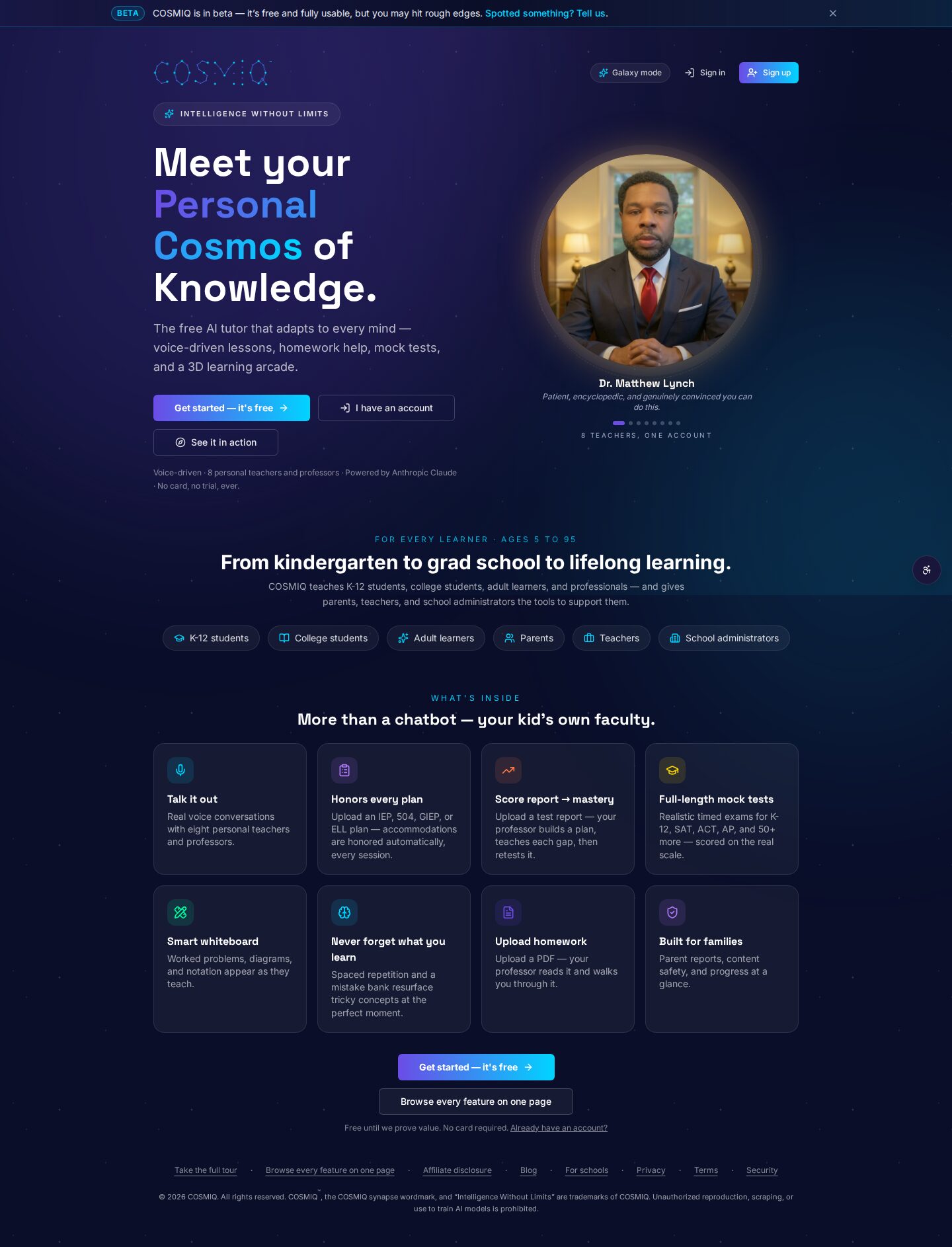
For students navigating the complexities of school life, having a strong foundation of kindness can make a significant difference. And for those moments when academic challenges arise, free educational resources can provide invaluable support. For instance, COSMIQ offers free voice-driven AI tutoring, available forever for every K-12 student, helping them build confidence in their studies.
A Collective Effort for a Kinder Future
Kindness is Free's emphasis on adult-led bullying prevention offers a hopeful and practical path forward. By empowering adults to be conscious role models and active teachers of kindness, we can collectively work towards creating school environments where all students feel safe, respected, and valued.
The organization's work serves as a powerful reminder that fostering a culture of kindness is an ongoing, collaborative effort. When adults commit to leading with empathy and respect, they lay the groundwork for a future generation that embodies these crucial values.
Learn anything, free.
COSMIQ is a free, voice-driven AI tutor for every learner. No credit card, ever.
Start learning free →