Kinesthetic Learning and Gross Motor Skills Development

Understanding Kinesthetic Learning
When you think about learning, what comes to mind? For many, it’s sitting in a classroom, listening to a teacher or reading from a textbook. But there’s another style of learning that’s not only effective but also incredibly engaging—kinesthetic learning. This approach emphasizes physical activities over passive learning. It’s all about learning through doing, which can be a game changer for many individuals.
Kinesthetic learners thrive when they can use their bodies to express ideas, solve problems, and grasp concepts. Whether it’s building models, conducting experiments, or even acting out historical events, these activities help them internalize information in a way that traditional methods often miss. Why does this matter? Because it taps into how our brains and bodies work together, making learning an active experience.
For instance, consider how children often learn to read. Giving them letters made from clay allows them to mold the shapes with their hands, turning abstract symbols into tangible objects. This hands-on approach not only enhances their understanding of the alphabet but also strengthens their fine motor skills. In this way, kinesthetic learning can be a bridge to deeper comprehension.
The Connection to Gross Motor Skills
Gross motor skills involve the larger muscles in our body that enable us to perform everyday functions. Think walking, running, jumping, and throwing. When we engage in kinesthetic learning, we’re not just processing information; we’re also developing these crucial skills. This connection becomes particularly evident in early childhood education.
Young children naturally learn through movement. Every time they crawl, climb, or dance, they’re not only having fun but also enhancing their gross motor skills. Consider a toddler building a tower with blocks. They’re practicing hand-eye coordination and balance. Each time they reach for a block or steady themselves, they’re reinforcing their gross motor skills while exploring concepts of physics in a tangible way.
Furthermore, activities like running or jumping while learning can create strong neural connections in the brain. For instance, a child might sing a counting song while hopping on one foot, combining auditory learning with physical movement. This not only strengthens their ability to count but also enhances their balance and coordination.
Benefits of Kinesthetic Learning for Gross Motor Skills
So, what are the benefits of integrating kinesthetic learning with gross motor skills development? For starters, it keeps learners engaged. When kids are moving, they’re not just passive observers; they’re active participants in their education. This active participation often leads to increased retention of information.
Moreover, kinesthetic learning can help with focus and attention. Have you ever noticed how restless kids can get when they’re sitting still for too long? By allowing them to move, whether through physical games or hands-on activities, we’re not just making learning more enjoyable; we’re also providing a natural outlet for their energy. For example, consider a classroom where students transition between subjects with short bursts of exercise. They might jump up and down, stretch, or even do a quick dance. This allows them to release pent-up energy, making them more receptive to learning.
Additionally, kinesthetic learning supports emotional and social development. Movement-based activities often require teamwork, encouraging collaboration and communication among peers. For instance, a group project that involves building a model from recycled materials can culminate in a fun, engaging experience where children learn to share ideas and work together.
Practical Strategies for Incorporating Movement

If you’re looking to incorporate more kinesthetic learning into your teaching or parenting strategies, here are some actionable tips. Start by creating a movement-rich environment. This could mean rearranging your classroom or play area to include open spaces for activities. Think about how you can incorporate physical tasks into lessons. For example, when teaching math, try using physical objects like blocks to represent numbers.
In addition, use games that require movement. Simple activities like scavenger hunts can help reinforce concepts while allowing children to explore their physical capabilities. Even incorporating dance or music can aid in learning; think of how children often remember lyrics better when they sing and move to the rhythm. This combination of learning and movement not only enhances memory but also strengthens gross motor skills.
Another effective strategy is to take learning outside. Nature provides endless opportunities for kinesthetic learning. For instance, a nature walk can be an excellent context for teaching about biology or ecology. Children can observe the environment firsthand, collect samples, and engage in activities like journaling about their experiences. This not only reinforces their understanding of scientific concepts but also promotes physical activity.
Challenges of Kinesthetic Learning
While kinesthetic learning has numerous benefits, it’s not without its challenges. One of the most significant hurdles is the misconception that it’s only suitable for younger children. In reality, people of all ages can benefit from a kinesthetic approach. Whether you’re a teenager studying for exams or an adult learning a new skill, incorporating movement can enhance your understanding and retention.
Another challenge is the need for space and resources. Not every classroom or home has the luxury of a large play area or the necessary tools for kinesthetic activities. However, creativity can often bridge this gap. Consider utilizing everyday objects or even outdoor spaces to create engaging learning experiences. For example, a small classroom can be transformed into a fun learning environment with simple items like balls, ropes, and chairs for physical activities.
Moreover, there’s often a lack of training for educators and parents in implementing kinesthetic learning strategies. Many teachers are taught traditional methods and may feel unsure about how to integrate movement into their curricula. Professional development workshops focusing on kinesthetic learning techniques can be invaluable. These workshops can offer practical activities and strategies, enabling educators to feel more confident in incorporating movement.
Assessing Progress in Kinesthetic Learning
Just like any educational approach, it’s crucial to assess how well kinesthetic learning is working in promoting gross motor skills development. Observational assessments can be particularly effective. Take note of how children navigate their environments, their ability to work with others, and their confidence in movement-based tasks. Are they improving over time? Are they more engaged and curious?
You can also incorporate specific activities designed to measure gross motor skills. For example, have them engage in obstacle courses to assess coordination and balance. Keeping track of their progress in these activities can provide valuable insights into their development and learning. Consider using a checklist to document their abilities in various physical tasks such as jumping, running, or throwing.
In addition to observational assessments, incorporating peer evaluations can also provide insights into how children perceive each other’s skills and improvements. This not only fosters a sense of community but also encourages children to reflect on their own learning processes.
Resources for Further Learning
If you’re eager to learn more about kinesthetic learning and gross motor skills, there are plenty of resources available. Websites like [Dr. Matt Lynch’s site](https://www.drmattlynch.com/) offer valuable insights into education strategies that can enhance learning through movement. Additionally, platforms like [Pedagogue](https://pedagogue.app/) provide tools and activities that can help educators create more engaging lessons.
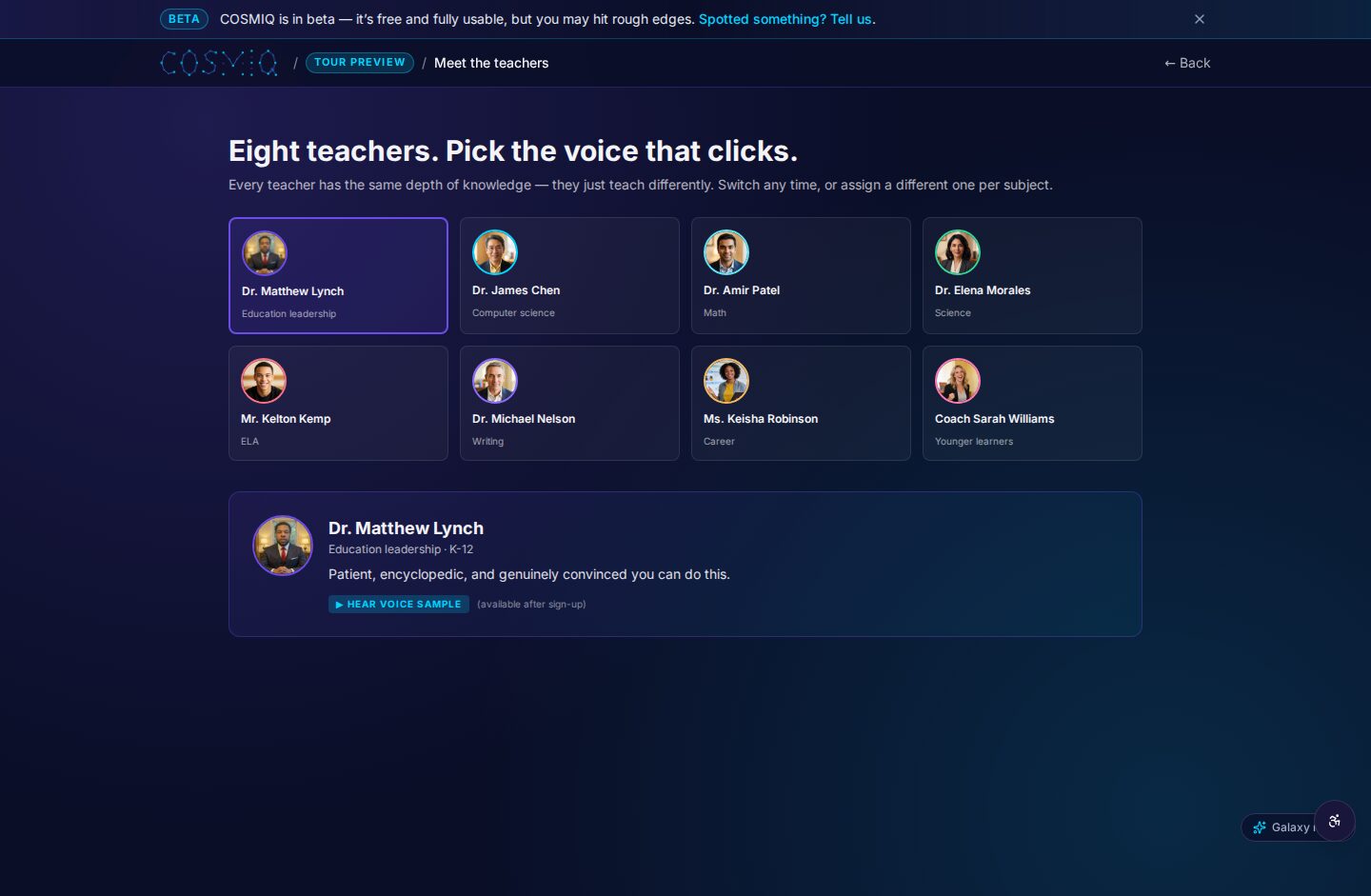
You can also explore apps such as [Cosmiq](https://getcosmiq.app/) that focus on interactive learning methods, designed to cater to different learning styles. These resources can help you harness the power of kinesthetic learning to support gross motor skills development. Furthermore, books on the subject, such as 'The Kinesthetic Classroom' by Traci Lengel, offer practical strategies and insights into creating a movement-friendly learning environment.
Local community centers or libraries often host workshops or events focusing on physical literacy and kinesthetic learning. Engaging in these programs can provide you with firsthand experience and ideas to implement in your own settings.
The Role of Technology in Kinesthetic Learning
In our modern age, technology has become an integral part of education, including kinesthetic learning. Virtual and augmented reality tools can create immersive learning experiences that engage multiple senses. For example, using VR headsets, students can explore historical sites or dive into biological environments without leaving their classroom. This not only sparks interest but also allows them to move and interact with the content in a dynamic way.
Moreover, educational apps and games designed for physical activity can aid in reinforcing concepts while getting kids moving. For instance, apps that require students to solve math problems while jumping or dancing can blend learning with exercise. This dual approach helps to keep learners engaged and can be particularly beneficial for those who struggle with traditional methods.
However, while technology can enhance kinesthetic learning, it’s essential to maintain a balance. Reliance on screens can sometimes detract from the physical movement aspect that is crucial for gross motor skills development. Therefore, integrating technology thoughtfully, alongside plenty of hands-on activities, is key to maximizing its benefits.
Final Thoughts on Kinesthetic Learning and Gross Motor Skills
In an age where learning often involves screens and sedentary activities, it’s refreshing to remember the benefits of kinesthetic learning. It’s not just about moving for the sake of activity; it’s about the impact that movement has on our ability to learn and grow. By fostering gross motor skills through kinesthetic activities, we’re giving learners the tools they need to succeed not only in school but also in life.
So, whether you’re a parent, teacher, or a lifelong learner yourself, consider how you can incorporate more movement into your learning experiences. The connection between kinesthetic learning and gross motor skills development is a powerful one, and it’s one that can transform the way we understand education. Even simple changes, like integrating a few minutes of movement into your lessons or playtime, can create a ripple effect that enhances learning outcomes across the board.
Ultimately, embracing kinesthetic learning is not just about teaching kids how to move; it’s about giving them the freedom to explore, discover, and engage with the world around them. As you think about the future of education and skills development, remember the vital role that movement plays in shaping successful, dynamic learners.
Related resources: theedadvocate.org
Learn anything, free.
COSMIQ is a free, voice-driven AI tutor for every learner. No credit card, ever.
Start learning free →