Kinesthetic Learning in the Elementary Classroom: Brain Breaks and Movement Integration

Understanding Kinesthetic Learning
Kinesthetic learning is all about movement. It’s an approach that recognizes that many children learn best when they're active. They need to engage their bodies to engage their minds. Think about the last time you tried to remember something. Did you find yourself pacing, doodling, or even tapping your foot? That’s kinesthetic learning in action. For elementary students, this means incorporating physical activity into their lessons.
Children are naturally energetic. They want to move, touch, and explore. So why not harness that energy in the classroom? Kinesthetic learning in elementary environments encourages students to be active participants in their education, rather than passive listeners. This approach can lead to better retention of information and a more enjoyable learning experience.
Moreover, kinesthetic learning fosters creativity. When children engage physically with learning material, they often think outside the box. This active participation not only allows them to grasp lessons more effectively but also promotes critical thinking skills. For instance, consider a lesson on storytelling where children are asked to act out their favorite tales. This approach not only helps them remember the story better but also encourages them to create their own narratives.
Furthermore, kinesthetic learning can help reduce behavioral issues in the classroom. When students are allowed to express their energy through movement, they tend to have fewer incidents of distraction and disruption. A simple shift toward more active learning can create a more harmonious classroom environment.
The Science Behind Movement and Learning
Research shows a clear link between physical activity and cognitive function. When children move, they increase blood flow to the brain, which can enhance focus and memory. Studies have found that students who integrate movement into their learning routines tend to perform better academically compared to those who remain sedentary.
For example, a study published in the Journal of Educational Psychology found that students who participated in movement-based learning activities showed significant improvements in math and reading scores. This isn’t just a coincidence. Engaging the body helps activate the brain. So, if you’ve got a room full of restless elementary students, consider the benefits of incorporating physical activity into your lessons.
Additionally, the impact of physical activity on learning extends beyond immediate academic performance. Research indicates that regular movement can lead to improved mood and social interactions among students. This means that not only do they perform better academically, but they also develop better relationships with their peers. For example, group activities that involve movement can foster teamwork and collaboration, teaching valuable social skills in the process.
Finally, kinesthetic learners often develop a stronger sense of spatial awareness. Activities that involve movement help children learn about their surroundings, enhancing their understanding of geography, physics, and even art. When kids move around and interact with their environment, they build connections that help them understand complex concepts.
Brain Breaks: Why and How to Implement Them
Brain breaks are short, planned intervals where students can stretch, dance, or engage in quick physical activities. These breaks are crucial for maintaining attention and enhancing learning. They're not just a time to recharge; they can actually improve focus and productivity.
So, how do you implement brain breaks? Start by timing them. A good rule of thumb is to take a break every 20 to 30 minutes. You can introduce simple activities like jumping jacks, stretching, or even a quick dance session. Consider using resources like movement songs or videos that guide the activity. These breaks can last anywhere from 2 to 5 minutes and can be tailored to fit the needs of your classroom. It’s about finding what works best for your students.
To make brain breaks more effective, consider involving students in the planning process. Let them suggest their favorite activities or even take turns leading the breaks. This involvement can give them ownership of their learning environment and make them more excited about participating. For instance, if a student loves a particular song, they could lead a dance break using that song. This not only energizes the class but also builds a positive classroom culture.
You could also incorporate themed brain breaks related to your lessons. For example, after a history lesson on ancient Egypt, have students pretend to be pyramids or pharaohs during a brain break. This ties the movement back to what they just learned, reinforcing the material while allowing them to move. These creative connections can enhance retention and make learning more engaging.
Creative Movement Integration in Lessons
Integrating movement into lessons can be a game-changer. Think about your current curriculum. Can you infuse some motion into your math, science, or reading lessons? For instance, if you’re teaching addition, you can have students physically move to different areas of the classroom to represent different numbers. This not only makes learning fun but also helps reinforce the concepts.
In a science lesson on the life cycle of a butterfly, you might have students act out the stages—caterpillar, chrysalis, and butterfly. This kinesthetic approach helps them internalize the information and make connections to the material. It’s engaging, memorable, and effective.
Moreover, you can integrate kinesthetic activities into language arts. For example, when teaching vocabulary, have students create actions or gestures for new words. This not only aids in memorization but also allows students to express themselves creatively. Imagine a group of students acting out the word 'elated' through gestures and facial expressions; they would likely remember its meaning far better than if they simply read it from a textbook.
Another exciting integration could occur in physical education. Incorporate math concepts by having students use measuring tapes to calculate distances while running or jumping. You can also tie in elements of science by discussing heart rates and body systems during fitness activities. By relating physical activity to academic lessons, you’re not just promoting movement but also building a more holistic understanding of various subjects.
Using Technology to Support Kinesthetic Learning
Technology can enhance kinesthetic learning too. Interactive apps and educational games often incorporate movement. For example, using tablets or smartboards, students can participate in interactive quizzes that require them to move around the classroom to answer questions. This blends technology with physical activity—keeping kids engaged and on their toes.
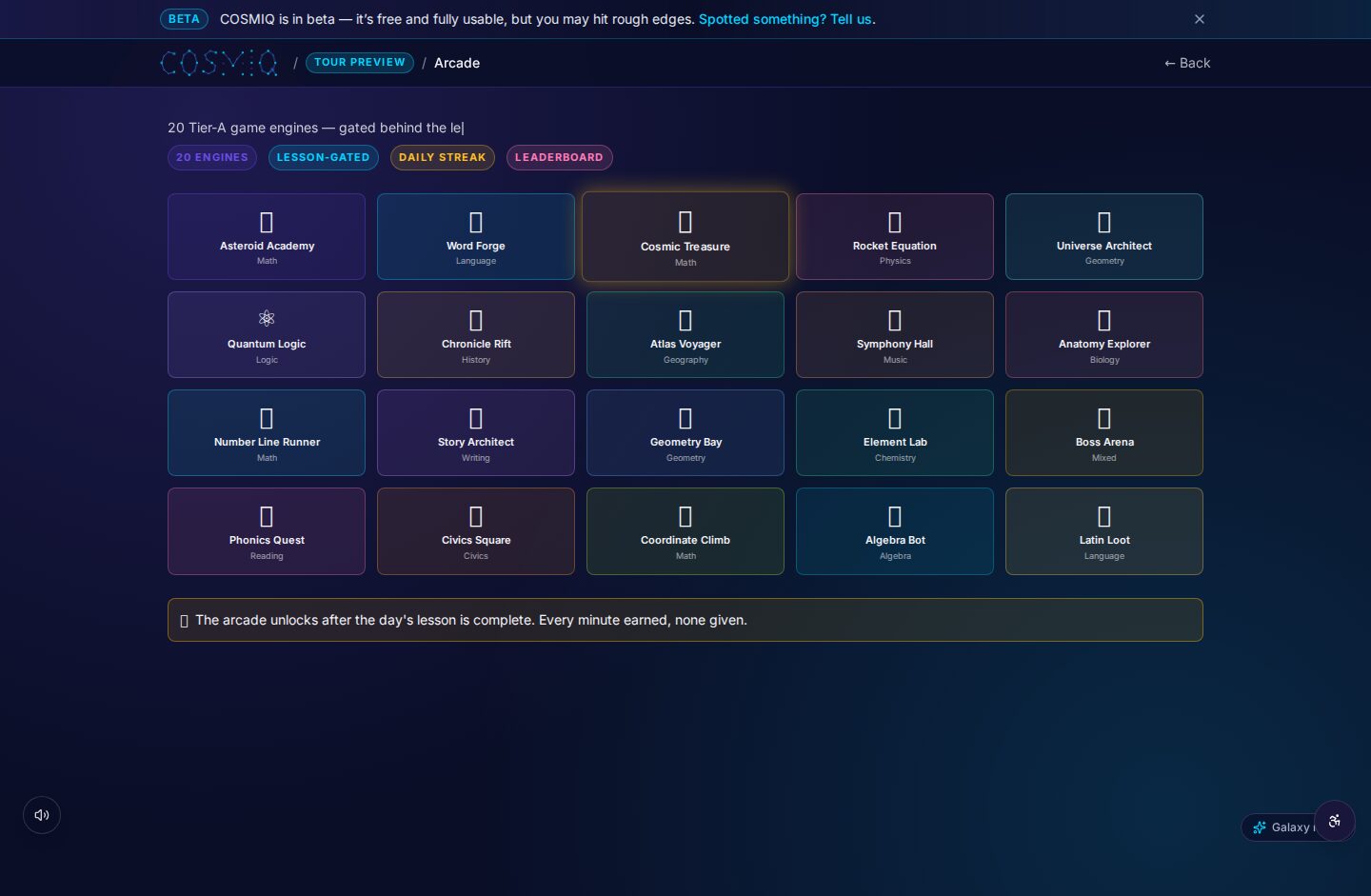
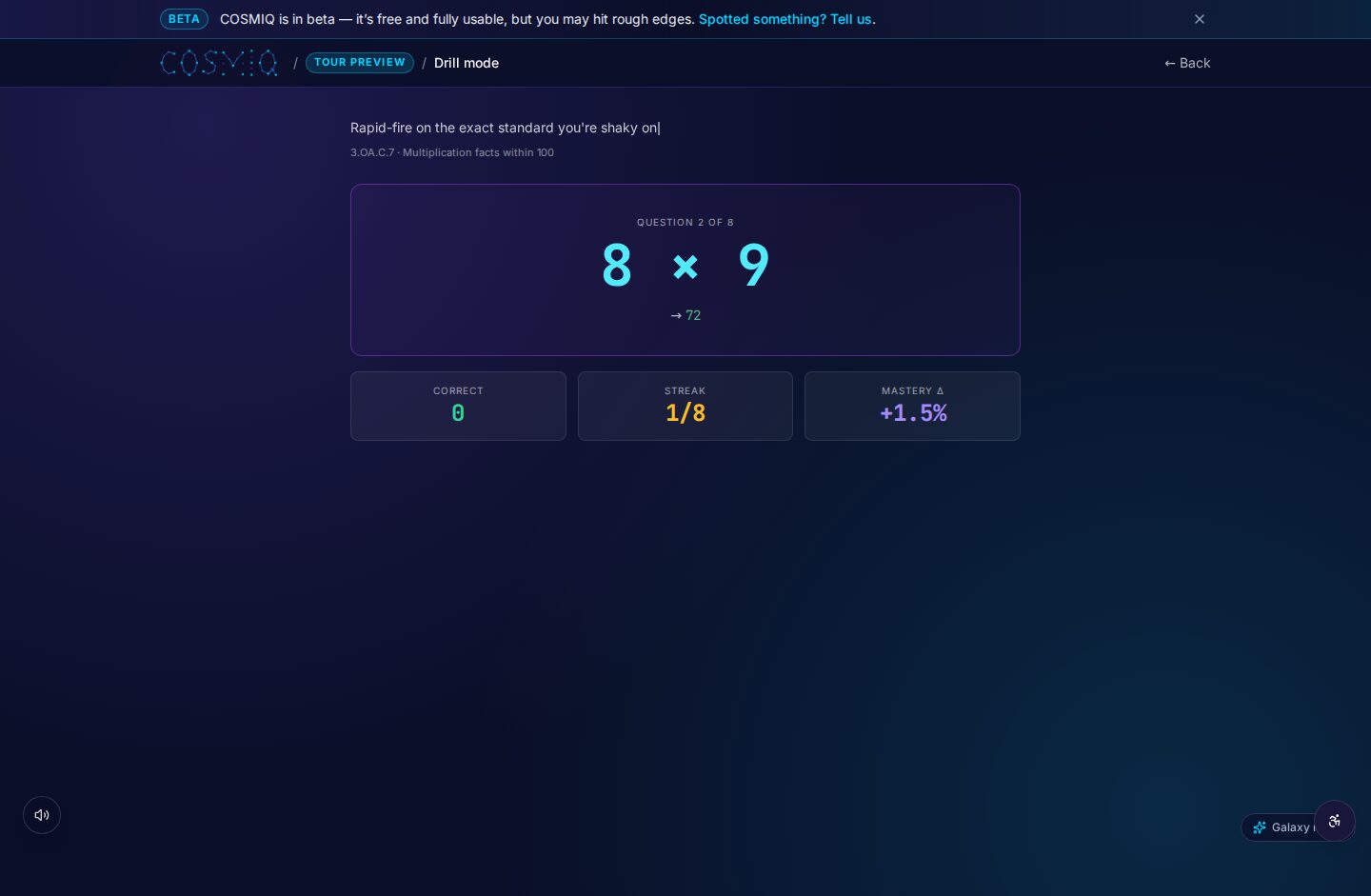
Apps like Cosmiq and others are designed to encourage movement and learning simultaneously. They can provide real-time feedback and make learning more dynamic. Integrating these tools can help cater to the varying needs of students, making lessons more inclusive.
Additionally, consider incorporating virtual reality (VR) into your lessons. With VR, students can step into different environments and scenarios, making history or science lessons come alive. Imagine a history lesson where students can virtually walk through ancient Rome or a science lesson that lets them explore the ocean floor. This immersive experience can be incredibly stimulating while also encouraging movement. Even the gestures they use to navigate through VR can be incorporated into physical education.
Don’t overlook online platforms that promote interactive learning. Websites that feature educational games or movement-based challenges can keep students engaged during remote learning. For example, platforms like GoNoodle provide videos for kids to dance or stretch during breaks, reinforcing physical activity even when they're learning from home.
Creating a Kinesthetic Learning Environment
Designing your classroom for kinesthetic learning is crucial. Consider how your space is arranged. Are there areas where students can move freely? Do you have flexible seating options that allow for movement? Creating an environment that promotes activity can have a significant impact on student engagement.
Movement zones—areas dedicated to physical activity—can be helpful. These might include spaces for stretching, quiet reflection, or even collaborative learning with movement. You can also use standing desks or wobble stools to encourage movement while sitting. These small changes can lead to big differences in how students interact with the material.
Think about how you can use classroom materials creatively. For instance, instead of traditional desks lined up in rows, consider creating small, movable group stations. This allows students to shift locations and work collaboratively at different stations. If they need to measure items for a math lesson, they can easily move to a space equipped with measuring tools. The ability to transition quickly between activities keeps the energy up and learning continuous.
Incorporate visuals and tactile objects into your classroom design. For instance, use colorful charts or interactive bulletin boards that children can touch and manipulate. Having objects they can handle allows them to learn through touch, which is an essential aspect of kinesthetic learning. Whether it’s using blocks to demonstrate geometric concepts or incorporating musical instruments to teach rhythm, make sure your learning environment is rich in stimuli that encourage movement.
Assessing the Impact of Movement in Learning
It's not enough to just introduce movement; you need to assess its impact on learning. Are students more engaged? Are their grades improving? You can conduct surveys or informal assessments to gather feedback. Observing how students respond to movement can provide insights into what's working.
Keep an eye on attendance and participation rates as well. If students are excited about learning, they’re more likely to show up and engage. You might also notice changes in behavior—less fidgeting and more focus. These are all indicators that kinesthetic learning is making a difference in your classroom.
Consider using assessment tools like portfolios that showcase students' work over time. Ask them to reflect on how movement-based learning has affected their understanding of different subjects. Their insights can provide valuable data for you to adjust your teaching strategies. For example, if multiple students express a preference for learning through movement, you might prioritize more kinesthetic activities in your upcoming lessons.
Additionally, gather data on academic performance through standardized tests or classroom assessments before and after integrating kinesthetic activities. This could help establish a clear correlation between movement and academic success. If grades improve following the implementation of brain breaks and movement activities, it can reinforce the need for ongoing kinesthetic learning opportunities.
Final Thoughts: Embrace Movement for Better Learning
Integrating kinesthetic learning in elementary classrooms through brain breaks and movement can transform how students engage with material. This approach not only keeps kids active but also enhances their understanding and retention of concepts.
So, take a moment to reflect on your teaching style. Are you giving your students enough opportunities to move? Embracing movement isn't just a trend—it's a powerful way to enrich learning experiences. Start small, and find creative ways to incorporate movement into your lessons. You might be surprised at the positive outcomes that follow.
Remember, every child is unique, and finding the right balance of movement and learning is key. By creating a classroom environment that values kinesthetic learning, you're not just educating students—you're nurturing their overall development as active, engaged learners.
Learn anything, free.
COSMIQ is a free, voice-driven AI tutor for every learner. No credit card, ever.
Start learning free →