Kinesthetic Learning Strategies for Teaching Math Concepts Through Movement

When it comes to teaching math, many educators often rely on traditional methods like lectures, worksheets, and simple memorization techniques. However, if you're looking to truly engage your students and help them grasp complex concepts, kinesthetic learning might just be the answer. Kinesthetic learning math focuses on using movement as a way to teach mathematical concepts, making the subject more relatable and enjoyable for learners of all ages.
What is Kinesthetic Learning?
Kinesthetic learning is a style of education that emphasizes the use of physical activity to aid in learning. It’s based on the idea that students learn best when they can engage their bodies in the learning process. This approach is especially effective in math, where abstract concepts can often leave students feeling lost and confused. By incorporating movement into math lessons, you can help solidify understanding and make learning a more dynamic experience.
Think about it: when was the last time you learned something important while sitting still for hours? Our brains thrive on movement, and so do our students’ minds. They need to feel, touch, and interact with the material to truly understand it. Imagine a classroom where students are not just passive recipients of knowledge but active participants. That’s the essence of kinesthetic learning.
Why Use Kinesthetic Learning in Math?
You might wonder why kinesthetic learning is particularly suited for teaching math. For starters, many students struggle with traditional methods that don’t resonate with their learning preferences. By integrating movement, you cater to various learning styles, making lessons more inclusive. Additionally, kinesthetic strategies can enhance memory retention. When students physically engage with the material, they are more likely to remember what they’ve learned.
Consider a simple example: Instead of just explaining the concept of addition, you can use physical objects like counting blocks or even their own bodies to demonstrate how numbers come together. A child can physically add two blocks to three blocks, making the concept much more tangible and memorable. This multisensory approach helps cement the idea in their minds.
Research backs this up. A study conducted by the University of Alberta found that students who engaged in kinesthetic learning approaches performed better in math tests than those who used traditional methods. This highlights the effectiveness of incorporating movement into lessons. By making math more interactive, you can boost confidence and interest in the subject, fostering a positive attitude toward math.
Engaging Activities for Kinesthetic Learning Math
So what exactly can you do? Here are some engaging activities that leverage kinesthetic learning strategies for teaching math concepts.
1. **Math Scavenger Hunt**: Set up a scavenger hunt with math problems hidden around the classroom or school. Each solved problem leads to a clue that directs students to the next location. This gets them moving while practicing their math skills. For instance, you could have problems related to angles, like measuring and finding different shapes in the environment.
2. **Body Math**: Have students create physical representations of numbers or math operations. For instance, they can use their arms to show addition or subtraction (e.g., extending arms to add, bringing them back to subtract). This can also be done in groups where students form shapes or equations. A fun twist could be to assign each student a number and have them arrange themselves in a way that represents a math problem.
3. **Math Relay Races**: Organize relay races where teams must solve math problems before passing the baton. This adds an element of competition and urgency, keeping energy levels high while reinforcing math skills. You could create stations with different types of math problems—basic operations, word problems, geometric shapes—and have students race against the clock.
Incorporating Technology with Movement
Incorporating technology into kinesthetic learning can also enhance the experience. Interactive math apps often include elements that encourage movement, like touch gestures for solving problems. For instance, some platforms allow students to manipulate virtual objects to solve equations. This digital engagement combined with physical activity can make learning math even more effective.
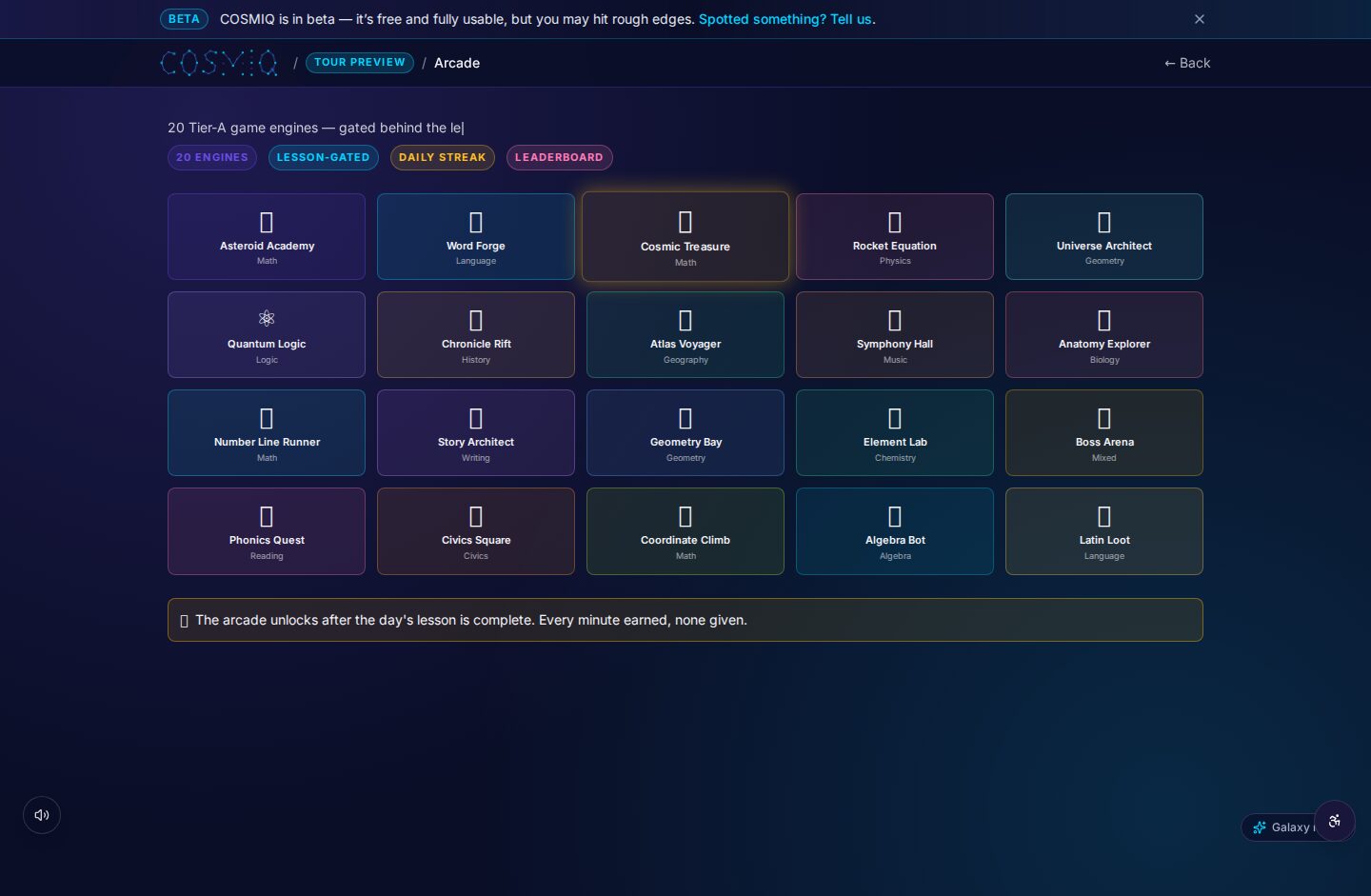
Platforms like [CosmiQ](https://getcosmiq.app/) offer interactive math tools that can be integrated into kinesthetic learning strategies. Imagine using an app for a math game that requires students to move around the classroom, collecting points for solving problems physically. The combination of movement and technology can significantly enhance engagement.

Moreover, technology can support differentiated learning. For instance, students can use tablets or smart boards to illustrate their thought processes through diagrams or animations. This can help learners who struggle with traditional problem-solving methods visualize the problems in a way that matches their learning style.
Creating a Kinesthetic Learning Environment
To maximize the effectiveness of kinesthetic learning, it's crucial to create an environment that encourages movement. Here are a few tips to consider:
1. **Flexible Classroom Layout**: Arrange your classroom to allow for movement. Use mats for sitting on the floor, or arrange desks in clusters that students can easily move around. If possible, create a designated area for physical activities related to math that can be easily accessed.
2. **Use of Tools**: Equip your classroom with tools and manipulatives that promote physical interaction. Items like number lines on the floor, counters, and even hula hoops can help students visualize and understand mathematical concepts. For example, you could use a large number line on the floor to teach addition and subtraction by having students physically jump to the correct answer.
3. **Scheduled Movement Breaks**: Incorporate scheduled breaks where students can stretch, jump, or even take a quick walk while solving math problems. This can reset their focus and energize them for the next lesson. Think about having a quick five-minute movement activity between lessons, like a mini-dance or a quick run.
4. **Interactive Displays**: Consider creating interactive bulletin boards that students can engage with throughout the day. This could include puzzles, math games, or problem-solving challenges that require them to get up and interact, further reinforcing their learning through movement.
Assessing Understanding Through Kinesthetic Methods
Assessment doesn’t have to be a sit-down test. Kinesthetic methods can also be used to gauge understanding. Here are some assessment strategies that align with kinesthetic learning.
1. **Group Projects**: Assign group projects that require students to present math concepts through a skit or physical demonstration. This not only assesses their understanding but also promotes teamwork. For instance, you might ask students to create a short play that illustrates a math concept, such as fractions or geometry.
2. **Math Stations**: Set up stations with different math challenges that require physical activity. As students rotate from station to station, they can demonstrate their understanding of various concepts. You can assess them based on their participation and accuracy. This method not only keeps students engaged but also allows you to see how well they can apply their knowledge in different contexts.
3. **Movement-Based Quizzes**: Instead of traditional paper quizzes, create movement-based assessments. For example, you could ask students to move to different corners of the classroom to indicate their answers to multiple-choice questions. This adds a layer of fun and physical activity to assessment, making it less intimidating for students.
Overcoming Challenges in Kinesthetic Learning Math
While in theory, kinesthetic learning sounds wonderful, there can be challenges in implementation. Here are a few obstacles you might face and how to tackle them.
1. **Classroom Space**: Not every classroom is equipped for movement. If space is limited, you might need to get creative. Use the hallway or take learning outside when possible. A local park or playground can serve as an excellent backdrop for math-related activities, especially during warmer months.
2. **Student Engagement**: Some students may be resistant to movement-based learning. Ease them into it by starting with small activities and gradually increasing the complexity as they become more comfortable. You can also encourage peer support, where students who are more enthusiastic about kinesthetic learning help others get involved.
3. **Curriculum Alignment**: Ensure that your kinesthetic activities align with curriculum standards. It’s vital that while you’re focusing on movement, you’re still meeting educational objectives. This may require you to adjust your lesson plans or work in collaboration with other educators to ensure consistency across subjects.
4. **Classroom Management**: With increased movement comes the need for effective classroom management. Establish clear rules and expectations about how movement should occur during lessons. Engage students in discussions about appropriate behavior during activities to foster a respectful learning environment.
Resources for Kinesthetic Learning Math
If you’re looking to expand your toolkit, there are numerous resources available. Websites like [Pedagogue](https://pedagogue.app/) offer a plethora of ideas and strategies specifically designed for kinesthetic learning.
Additionally, consider tapping into professional development workshops focusing on active learning strategies. These can provide you with new techniques and ideas to implement in your classroom.
Books on active learning and kinesthetic strategies can also be invaluable. Titles like "Learning by Doing" by John Dewey or "The Kinesthetic Classroom" by Traci Lengel and Allison Posey offer insights into creating dynamic classroom environments.
Kinesthetic learning math isn’t just a trend; it’s a powerful method to engage students, making math more accessible and enjoyable. By incorporating movement into your teaching strategies, you can create a dynamic learning environment that resonates with all students. It's about seeing math not just as numbers on a page, but as something that can be felt, seen, and experienced in everyday life.
Fostering a Lifelong Love for Math Through Kinesthetic Learning
One of the most significant advantages of kinesthetic learning math is its potential to foster a lifelong love for the subject. When students experience math through movement and play, they are more likely to view it as a tool for solving real-world problems rather than a subject confined to textbooks.
Consider how incorporating games into math lessons can serve as both a teaching method and a way to spark interest. Games that involve manipulation, such as using physical objects to solve puzzles or challenges, can create an engaging learning atmosphere. For example, you could organize a math carnival with various stations featuring different math games related to the concepts you’ve taught.
Moreover, by showing students how math relates to their interests—whether it’s sports, art, or science—you can help them see its relevance. Have them calculate scores in sports activities, use geometry to create art projects, or explore statistics in scientific experiments. When students make these connections, they begin to appreciate math as a vital part of life.
Ultimately, fostering a love for math through kinesthetic learning enriches students' educational experiences. They learn to see math as a flexible and fun subject, paving the way for future success in whatever paths they choose.
Related resources: drmattlynch.com · theedadvocate.org
Learn anything, free.
COSMIQ is a free, voice-driven AI tutor for every learner. No credit card, ever.
Start learning free →