Kolbe College Champions Neurodiverse Learners for ADHD Awareness Month

October marks ADHD Awareness Month, a crucial time to reflect on how educational systems can better support neurodiverse students. In this spirit, Kolbe College stands out for its dedicated approach to nurturing learners who may not thrive in conventional classroom settings. The college's philosophy, as shared by their team, centers on creating an environment where every student, particularly those with ADHD, can discover their strengths and achieve meaningful success.
For many students with ADHD, traditional education can present unique challenges. Kolbe College's insights offer a refreshing perspective, encouraging educators, parents, and students themselves to rethink what academic and personal achievement truly looks like. Their work underscores a vital message: the issue is often not a lack of motivation in the student, but rather an environment that isn't optimally designed to support their learning style.
Redefining Success for Neurodiverse Learners
Kolbe College, according to their publicist, was specifically established to cater to students who might find traditional classrooms less conducive to their learning. This commitment is evident in their focus on smaller class sizes, which can provide more individualized attention and reduce potential distractions. Furthermore, the college emphasizes hands-on learning experiences, a methodology often beneficial for students with ADHD who may learn best through active engagement rather than passive listening.
This approach moves beyond a one-size-fits-all model, acknowledging that diverse minds require diverse teaching methods. By meeting students where they are, Kolbe College aims to cultivate an educational journey that is both effective and empowering. This thoughtful design helps to build confidence and foster a genuine love for learning, which can be transformative for students who have previously struggled.
Addressing Misconceptions: Beyond "Unmotivated"
One of the significant contributions of Kolbe College's perspective is its challenge to the common misconception that students with ADHD are simply "unmotivated." As the college points out, this label often overlooks the underlying environmental factors that can impede a student's progress. For example, a student who struggles with focus in a large, lecture-based class might excel in a smaller, interactive setting where their energy can be channeled productively.
Understanding this distinction is crucial for both parents and educators. Instead of viewing challenges as inherent flaws in the student, Kolbe College encourages a shift towards evaluating and adapting the learning environment. This includes considering factors like classroom structure, teaching methodologies, and the availability of sensory support. When the environment is aligned with a student's needs, their true potential can emerge.

Parents seeking to understand more about supporting their child's learning style might find resources on COSMIQ's user guide helpful, offering insights into effective study strategies and personalized learning approaches.
Practical Strategies for Educators and Parents
Kolbe College's experience suggests several actionable strategies for supporting neurodiverse students, particularly those with ADHD:
- Embrace Smaller Class Sizes: Where possible, smaller groups allow for more personalized instruction and reduce sensory overload.
- Prioritize Hands-On Learning: Incorporating tactile and experiential activities can enhance engagement and retention for many students.
- Provide Structured Support: Clear routines, visual schedules, and predictable environments can help students with ADHD manage executive function challenges.
- Focus on Strengths: Identify and build upon a student's natural talents and interests, which can boost self-esteem and motivation.
- Foster a Growth Mindset: Encourage resilience and celebrate effort, helping students understand that challenges are opportunities for growth.
- Open Communication: Maintain consistent dialogue between teachers, parents, and students to tailor support effectively.
These strategies, according to Kolbe College, contribute to an educational experience where students feel understood, valued, and capable of achieving their goals.
Preparing for Life Beyond High School
Kolbe College also emphasizes that success after high school doesn't have to conform to a single traditional path. For neurodiverse students, this often means exploring a wider range of post-secondary options, from vocational training and entrepreneurship to diverse higher education programs.
The college's focus on career readiness and building confidence in individual learning styles empowers students to pursue paths that genuinely align with their strengths and passions. This holistic view prepares them not just for specific careers, but for a fulfilling life where they can leverage their unique abilities.
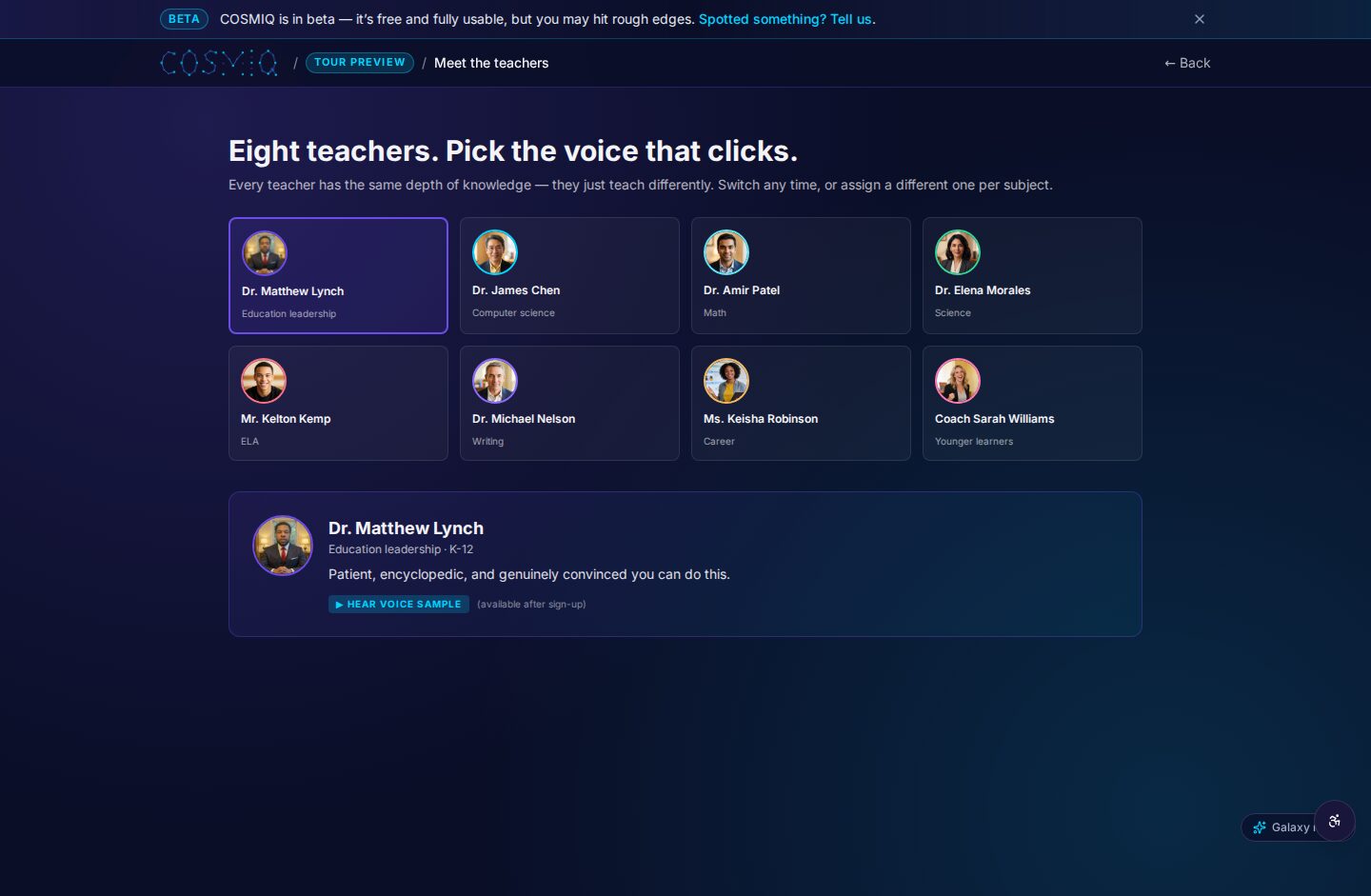
For students exploring various academic paths or preparing for exams, COSMIQ, a free voice-driven AI tutor, offers personalized support across subjects and grades, helping to reinforce learning and build confidence outside the classroom.
A Commendable Commitment to Inclusive Education
Kolbe College's dedication to supporting neurodiverse students is truly commendable. By championing individualized learning, challenging outdated labels, and redefining what success means, they offer a powerful model for inclusive education. Their insights for ADHD Awareness Month serve as a valuable reminder that with understanding, adaptation, and a focus on student strengths, every learner can thrive.
Their work encourages a broader conversation about how educational institutions can evolve to better serve the rich diversity of minds within our communities, ensuring that all students have the opportunity to reach their full potential.
Learn anything, free.
COSMIQ is a free, voice-driven AI tutor for every learner. No credit card, ever.
Start learning free →