Learning Gap Analysis That Turns Into an Action Plan

Understanding Learning Gap Analysis
If you’re feeling like your study sessions aren't quite hitting the mark, you’re not alone. Many students struggle to grasp certain concepts, and that can lead to frustration and diminished confidence. The first step to overcoming this hurdle is conducting a learning gap analysis. So, what exactly is it? In essence, it's a method to identify where you're falling short in your understanding of particular topics. Think of it as a diagnostic tool that helps you pinpoint your strengths and weaknesses. By recognizing the gaps in your knowledge, you can create a targeted approach to addressing them.
You might be wondering why this matters. Well, without knowing what you need to improve, it's like navigating a maze without a map. Are you struggling with basic algebra concepts while acing history? Or perhaps it’s the reverse? Identifying these gaps allows you to focus your efforts more effectively. Instead of wasting time revising areas you already understand, you can dedicate your time to mastering the concepts that challenge you.
The Process of Conducting a Learning Gap Analysis
Conducting a learning gap analysis doesn’t have to be a tedious process. Start by reviewing your past assessments, quizzes, and assignments. This will give you a clear picture of where you excel and where you fall short. Create a list of subjects or topics that you’ve struggled with. You could even use a simple table to track your performance. For instance, if you received a ‘C’ in math but an ‘A’ in English, that’s a clear indicator of where your focus should lie.
It’s equally important to involve self-reflection. Ask yourself: What concepts caused confusion during classes? Which problems took longer to solve? This personal insight can help you understand your learning style and preferences, which is vital for effective studying. Combine quantitative data from your assessments with qualitative insights from your reflections. This dual approach strengthens your understanding of where the learning gaps lie.
In addition to past assessments, consider using practice tests or practice questions related to your subjects. These can serve as a benchmark to measure your understanding of specific topics. For example, if you take a practice test on algebra and consistently struggle with word problems, you can identify that as a particular gap in your learning. Over time, this method will become a powerful tool in your study arsenal, allowing you to see progress or persistent issues.
Creating a Personalized Study Plan
Once you’ve identified your gaps, it’s time to take action. A personalized study plan tailored to your specific needs will help you tackle those weaknesses head-on. The beauty of a personalized study plan is that it’s designed just for you—no more one-size-fits-all solutions. You can prioritize the topics that need the most attention and allocate your study time accordingly.
For example, if you identified that your struggles in math stem from a weak foundation in fractions, then you’d want to dedicate a significant portion of your study time to practicing those. You can break the topic down into smaller sections: understanding the concept, solving simple problems, and then moving on to complex applications. This step-by-step approach can dramatically improve your grasp on challenging topics.
Moreover, make sure to set specific, measurable goals for each study session. Instead of saying, 'I’ll study math today,' try 'I will complete 20 fraction problems and review the solutions.' This clarity not only helps you stay focused but also gives you a sense of accomplishment when you check those items off your list. Also, consider using a calendar or planner to block out dedicated study times. By visually organizing your time, you reinforce your commitment to tackling your learning gaps.
Leveraging Technology: AI Study Plan Generator
Gone are the days when you had to rely solely on textbooks and notebooks. Nowadays, technology can be an invaluable ally in your study efforts. An AI study plan generator can analyze your learning gaps and help craft a tailored study program. Imagine having a tool that takes into account your progress, your pace, and your preferred learning style.
These tools can guide you through various study materials, quizzes, and practice tests that align with the weaknesses you've identified. By utilizing an AI study plan generator, you can make your learning process more efficient and effective. You'll receive personalized recommendations and resources designed to fill those learning gaps, ultimately enhancing your understanding and retention.
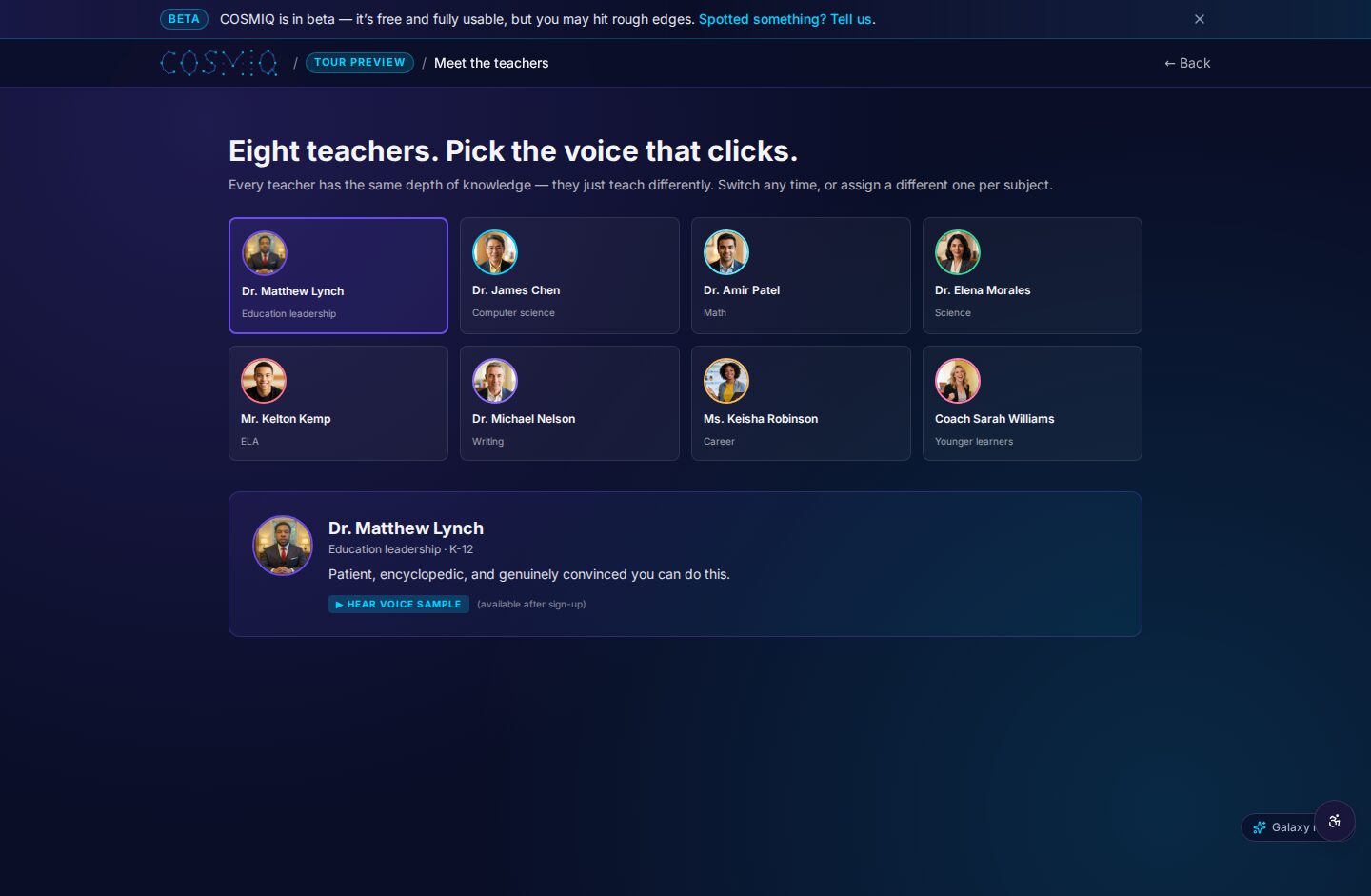
Some of these AI generators are equipped with adaptive learning technologies. They learn from your interactions and can adjust the difficulty of practice problems based on your performance. If you consistently ace easier problems but struggle with more complex ones, the program will adapt, ensuring you’re always challenged without feeling overwhelmed. This tailored approach is one of the standout features that can accelerate your learning.
And don't forget the wide array of platforms that offer these AI study tools. Many incorporate gamification elements to keep you engaged. Imagine working through fractions by playing a math game instead of poring over worksheets. This shift in approach can make the learning process less daunting and even enjoyable.
Implementing an Intervention Plan Tutor
Sometimes, self-study isn’t enough, especially when concepts are challenging. This is where an intervention plan tutor comes into play. A good tutor can provide you with the individualized attention that you might not get in a classroom setting. They'll help clarify doubts, provide additional resources, and may even introduce you to different learning methodologies that could resonate with you.
For instance, if you’re struggling with physics, a tutor can offer practical experiments or visual aids to help you grasp complex theories. Their expertise can also help in tailoring a study plan that complements your personalized study plan. With their guidance, you're not just filling gaps; you're building a more robust understanding of the subject matter.
Finding the right tutor is crucial. Look for someone who not only understands the material but is also proficient in teaching it in a way that makes sense to you. A tutor who uses hands-on techniques or visual aids might be perfect if you’re a kinesthetic learner. On the other hand, if you’re more of a verbal learner, discussing concepts in-depth could be more beneficial.
Also, consider setting specific goals with your tutor. If you enter a session with a clear idea of what you want to accomplish, it can make your time more productive. For example, if you want to work on your essay writing skills, communicate that to your tutor. They can then tailor the session to help improve those specific areas, making your learning experience more targeted.
Tracking Your Progress and Adjusting Your Plan
Creating a personalized study plan isn’t a set-it-and-forget-it situation. It’s essential to track your progress regularly. After a few weeks of focused study, assess how well you’ve mastered the concepts. Have your grades improved? Are you feeling more confident in your ability to tackle similar problems? Keeping a record of your progress can motivate you to stay on track.
If you find that you’re still struggling with specific areas, don’t hesitate to adjust your plan. Learning is not static; it's dynamic. You might need to spend more time on certain topics or switch up your study methods. That’s perfectly okay. The goal is to become proficient in the subject matter, and if that means modifying your strategy, then do it!
To effectively track your progress, consider using a study journal. In it, not only can you record the topics you've covered, but also reflect on your feelings regarding those topics. Did you feel confident after studying fractions but overwhelmed by the quadratic equations? This insight can help you recalibrate your focus moving forward.
Additionally, involve someone else in your tracking process. Share your goals and progress with a study buddy or your tutor, for instance. They can provide motivation and might offer insights you hadn’t considered. Sometimes, just having someone cheer you on can make all the difference.
Making the Most of Your Study Resources
In addition to personalized study plans and tutoring, there’s a world of resources at your fingertips. Online platforms, libraries, and even study groups can enhance your learning experience. Don’t shy away from using free resources like study guides, educational videos, and interactive quizzes. These can reinforce your understanding and provide different perspectives on challenging topics.

Participating in a study group can also be beneficial. Discussing topics with peers can solidify your understanding and expose you to different viewpoints. Sometimes, the act of teaching a concept to someone else can help cement it in your mind. The more varied your resources, the better equipped you are to fill those learning gaps.
Another underutilized resource is online forums and communities related to your subjects. Websites like Khan Academy and Coursera offer free courses that can supplement your learning. Exploring diverse resources can help you find explanations and methods that resonate with you better than your textbooks might.
Don’t forget about educational apps. There are numerous apps designed to make learning engaging and interactive. From language learning to math practice, these can provide you with bite-sized learning opportunities throughout your day. Whether you’re commuting or waiting for an appointment, these small moments can add up and reinforce your study plan.
The Role of Self-Care in Learning
Beyond academic strategies, it’s vital to remember that mental and physical well-being plays a significant role in effective learning. If you’re not taking care of yourself, every study plan—no matter how personalized—can fall short. Getting enough sleep, eating well, and engaging in physical activity can profoundly influence your ability to focus and retain information.
For instance, research shows that regular exercise can boost cognitive function. Even a short walk can stimulate your brain and improve your mood. Similarly, incorporating mindfulness practices like meditation can enhance your concentration and reduce anxiety, making your study sessions more productive.
Creating a balanced routine is key. Schedule breaks during your study sessions to recharge. Studies indicate that taking short breaks can actually improve overall productivity and retention. For example, consider the Pomodoro Technique: study for 25 minutes and then take a 5-minute break. This method not only helps maintain focus but also ensures you’re not burning out.
Remember to celebrate your achievements, no matter how small. Positive reinforcement can help boost your motivation and make the learning journey more enjoyable. Treat yourself to a favorite snack or an episode of your favorite show after completing a significant study milestone. These little rewards can help keep you on track.
Final Thoughts on Closing Learning Gaps
At the end of the day, learning is a journey, and it’s one that requires patience and dedication. Conducting a learning gap analysis is just the first step in a larger process. With a personalized study plan in hand, the assistance of an intervention plan tutor, and the support of technology like an AI study plan generator, you have the tools you need to succeed.
Remember, it’s perfectly normal to encounter obstacles along the way. The key is to recognize them and take actionable steps to address them. As you fill those learning gaps, you’ll not only improve academically but also gain confidence in your abilities. And that’s a victory worth celebrating.
Related resources: custom study plan free · custom study plan free
Learn anything, free.
COSMIQ is a free, voice-driven AI tutor for every learner. No credit card, ever.
Start learning free →