Making the Leap: Navigating Adult Education with Confidence and Clarity

Deciding to return to education later in life is a significant step, often driven by a desire for new career opportunities, skill development, or a complete professional pivot. While the rewards can be immense, the journey for adult learners is distinct from traditional student experiences, often involving a delicate balance of study with work, family, and other daily responsibilities. Understanding these unique hurdles and preparing for them can make all the difference in achieving academic success.
The Distance Learning Centre, an organization dedicated to supporting learners pursuing education remotely, recently shared valuable insights into common pitfalls adult learners encounter and how to avoid them. Executive Director Andrew Whitehead outlined five key areas where adult learners can proactively set themselves up for success, emphasizing that thoughtful preparation and realistic expectations are crucial.
Underestimating the Time Commitment
One of the most frequent errors, according to Whitehead, is underestimating the actual time required for study. Many adult learners already juggle packed schedules, and the temptation to simply 'squeeze in' study time can lead to frustration and burnout. Whitehead recommends a more strategic approach.
“Many adult learners already have busy schedules, so trying to squeeze studying into the gaps can quickly become frustrating,” Whitehead explains. “It is often better to look at your existing routine before starting and decide realistically when studying is going to happen.”
He suggests creating a detailed weekly timetable that allocates specific slots not just for work and family commitments, but also for dedicated study time and essential breaks. The goal isn't necessarily to find a large number of extra hours, but rather to integrate study as a regular, non-negotiable part of one's routine. “Sometimes it means reorganising existing commitments and making study a regular part of your routine,” he adds.
The Peril of Going It Alone
Another common mistake is hesitating to seek help when difficulties arise. Adult learners often balance demanding academic work with jobs, childcare, and other responsibilities, making it easy to feel isolated when struggling. Whitehead stresses that there's no benefit in enduring challenges in silence.
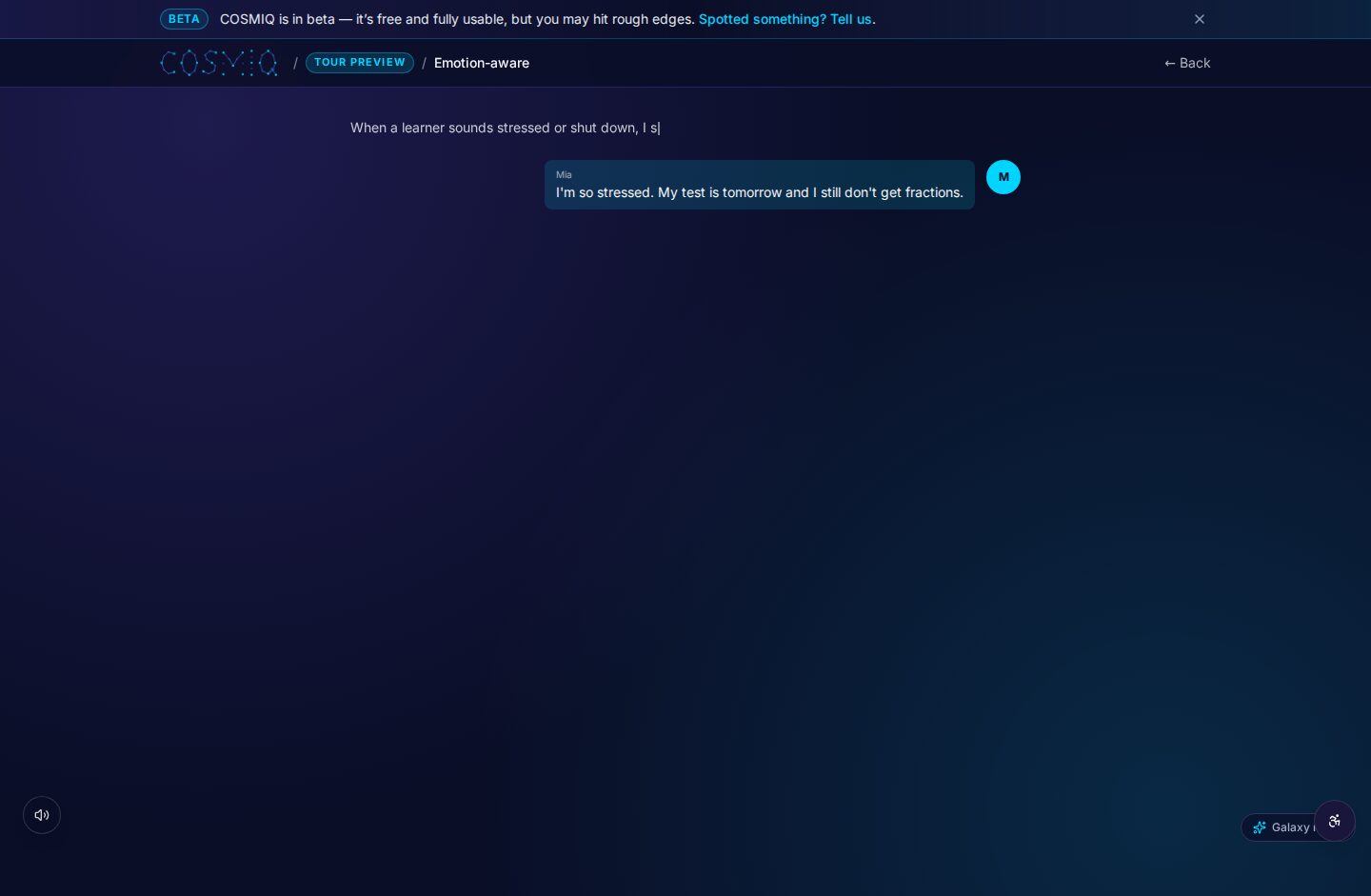
“Ask questions early,” he advises. “If you are unsure about an assignment, struggling with part of the course or finding it difficult to manage your workload, speak to your tutor or student support team.”
Connecting with fellow students can also be a powerful antidote to isolation. Other learners are likely facing similar obstacles, and sharing experiences can foster a sense of community and mutual support. For those seeking additional support, platforms like COSMIQ offer free voice-driven AI tutoring, providing K-12 students with on-demand help across various subjects, a resource that could prove invaluable for foundational knowledge or specific subject refreshers.
Lacking a Clear Purpose
Returning to education is often more sustainable when there's a strong, clear motivation behind it. Whitehead points out that simply pursuing a qualification because one feels 'stuck' in a current role might not provide enough drive when the coursework becomes challenging.
“Try to identify what you actually want the qualification or new skill to help you achieve,” he suggests. This goal could be diverse: moving into a new industry, qualifying for a promotion, meeting specific career entry requirements, or developing a particular skill set. “A clear goal gives the work a purpose,” he states, adding that it also helps in determining if a chosen course is truly the right fit before committing significant time and resources.
Outdated Expectations of Study Methods
Education, particularly remote and online learning, has evolved considerably. Adult learners returning after a long break might find the technological landscape unfamiliar. Online courses often involve digital platforms, virtual communication tools, independent research, and electronic submission of assignments.
“If it has been a long time since you studied, some of the technology may initially feel unfamiliar,” Whitehead acknowledges. He recommends dedicating time to learn how these platforms and tools work rather than expecting immediate proficiency. Testing logins, software, and online learning environments well before deadlines can prevent unnecessary stress. “Digital confidence usually improves quite quickly once you start using the tools regularly,” he assures.
The Pursuit of Perfection
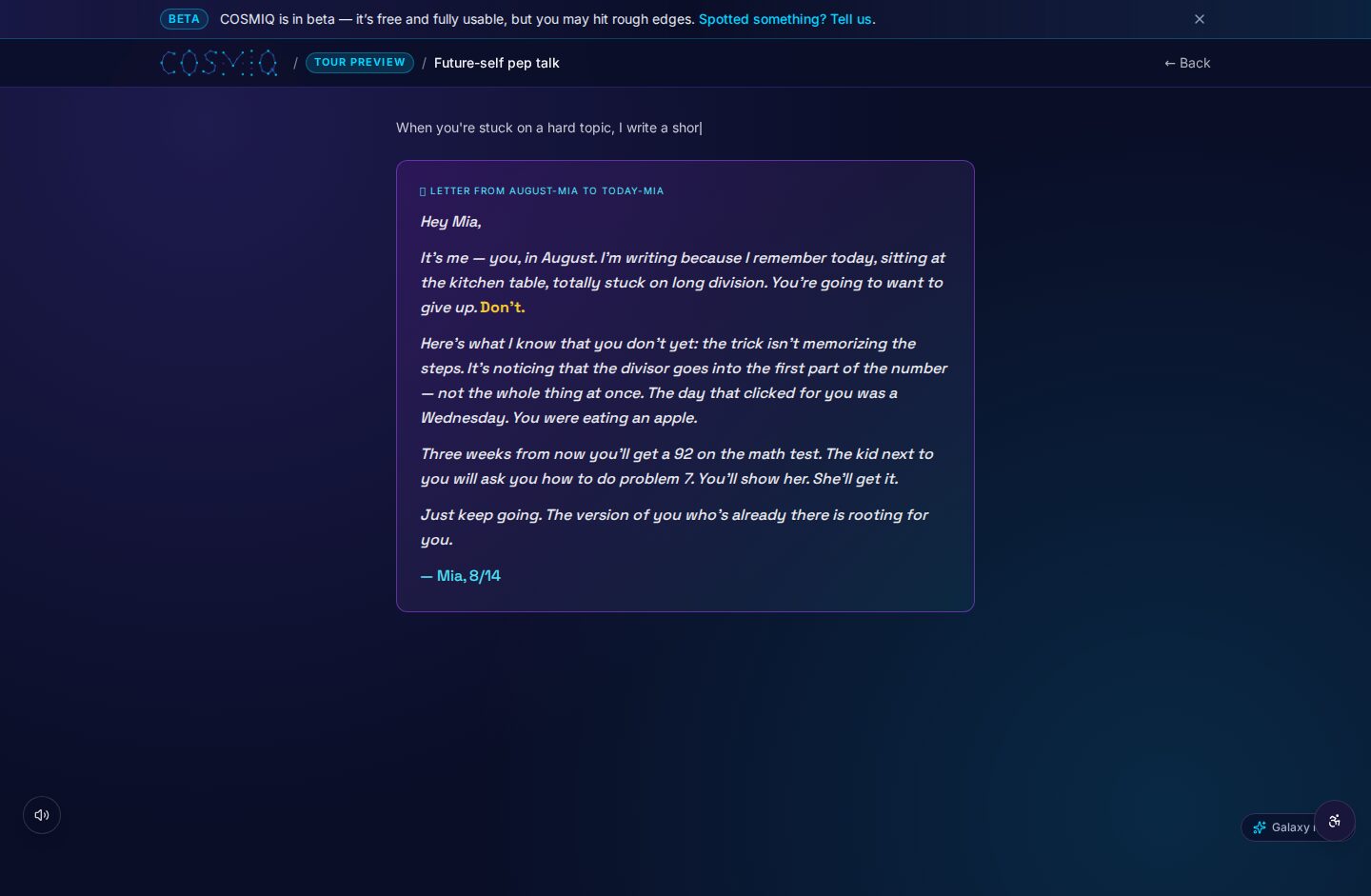
Finally, adult learners can sometimes place undue pressure on themselves to achieve perfection from the outset. Given the personal investment involved in returning to education, the desire to excel is understandable. However, expecting flawless work on every assignment can lead to increased stress and hinder progress.
“But expecting every piece of work to be perfect can sometimes create more stress and make it harder to get started,” Whitehead cautions. Instead, he advises focusing on consistent progress, a deep understanding of the material, and learning from feedback. “An assignment does not need to be flawless for you to learn something valuable from it,” he explains. “Feedback is part of the process. The aim should be to keep improving rather than expecting yourself to know everything straight away.” Resources like COSMIQ's free practice hub can be excellent for building confidence and understanding without the pressure of a graded assignment.
A Rewarding Journey with Realistic Steps
Andrew Whitehead's insights from the Distance Learning Centre offer a clear roadmap for adult learners. “Returning to study as an adult can be extremely rewarding, but it helps to be realistic about what it involves,” he concludes. The key takeaways are planning time effectively, clarifying one's goals, actively seeking help when needed, and allowing oneself time to adapt to new learning environments and technologies. The journey doesn't require an overnight overhaul of one's life, but rather a commitment to a sustainable routine and steady, continuous improvement.
By understanding and proactively addressing these common challenges, adult learners can transform their return to education into a truly enriching and successful experience.
Learn anything, free.
COSMIQ is a free, voice-driven AI tutor for every learner. No credit card, ever.
Start learning free →