Meta's Landmark Agreement with Attorneys General: A Win for Teen Online Safety

In an increasingly digital world, ensuring the safety and well-being of young people online is a paramount concern for parents, educators, and technology companies alike. Today, Meta Platforms, Inc. has taken a significant step forward, announcing a landmark agreement with a bipartisan group of 52 attorneys general across US states, territories, and the District of Columbia. This initiative, according to Meta, builds upon their longstanding commitment to empowering parents and supporting teens on their platforms.
This agreement is a testament to the ongoing dialogue and collaboration between tech companies and public officials, all working towards a common goal: creating safer online environments for the younger generation. For many, the news offers a welcome development in the complex landscape of digital citizenship, signaling a proactive approach to addressing concerns about teen online experiences.
New Industry Standards for Teen Safety
Meta's agreement introduces a suite of new protections and controls designed to automatically apply to users under 18 on Instagram and Facebook, pending judicial approval in participating US states and territories. These measures, which the organization states are largely required to remain in place for 10 years, represent a significant effort to set a new industry standard for teen online safety.
Key among these protections are:
- Default Two-Hour Daily Time Limit: Teens will have a default two-hour daily time limit across Facebook and Instagram. This cumulative limit counts time spent on both apps, even if a teen has multiple accounts, and can only be turned off with a parent's permission, according to Meta.
- Night Mode Block: A default block from Meta's apps will be in place between midnight and 6 AM, preventing teens from posting or viewing content during these hours.
- School Mode for Notifications: Notifications will be muted by default between 8 AM and 3 PM, ensuring teens are not distracted during school hours. Exceptions include direct messages and account security/safety alerts.
- Regular Prompts for Intentional Use: Teens will receive prompts after every 15 minutes of continuous screen time, and again at 60 and 90 minutes of total daily usage, encouraging more intentional engagement with the platforms.
- Algorithmic Feed Control: Teens will have the option to choose a non-algorithmic feed as their default, meaning their content will not be personalized by recommendation systems. Parents can also adjust their teen's default experience to require this setting.
- Autoplay Control: The ability for teens to turn off autoplay, requiring a deliberate action to view content.
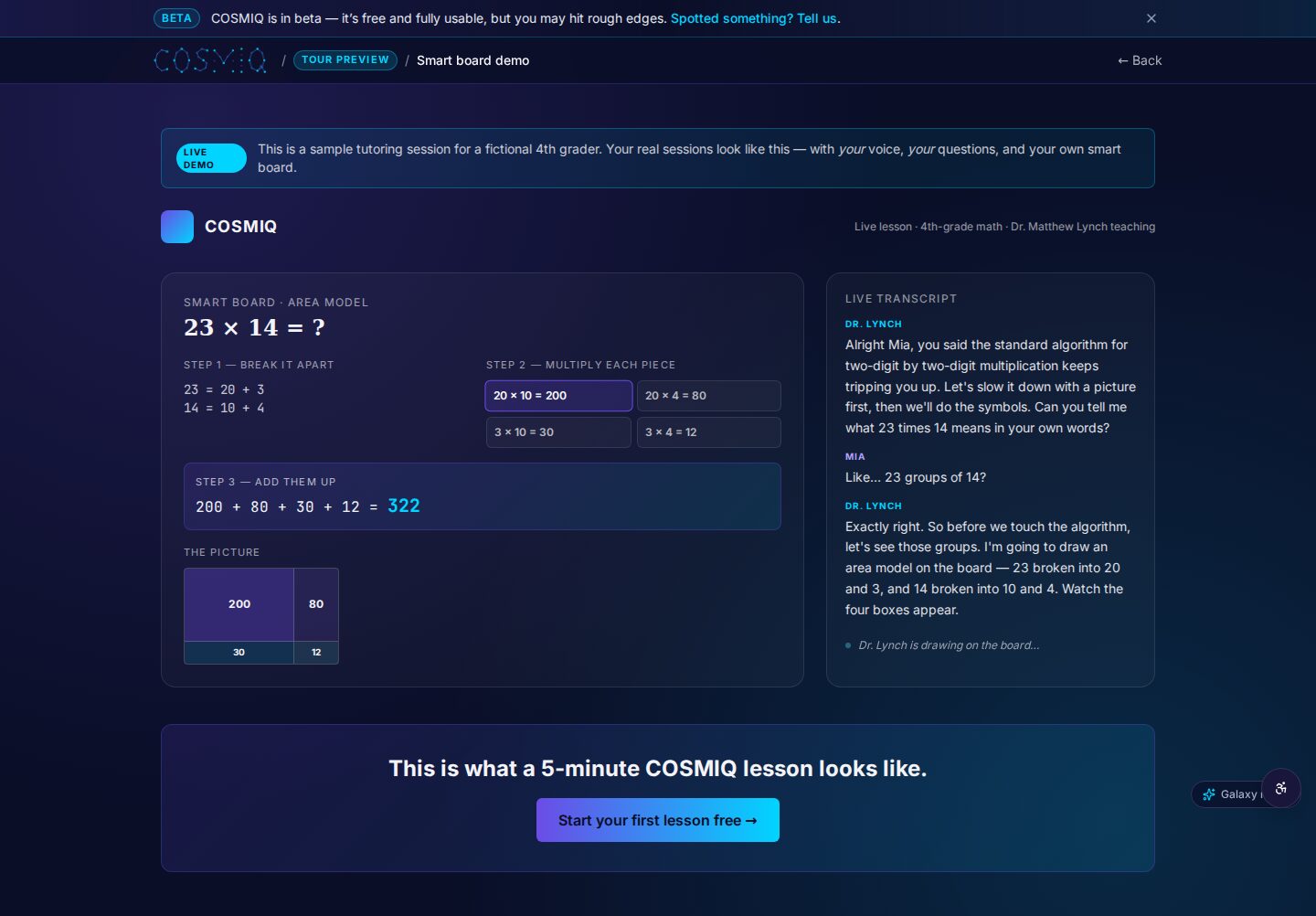
These comprehensive measures underscore Meta's dedication to fostering healthier digital habits and providing parents with more robust tools to manage their children's online interactions. Such features can be particularly beneficial for students, helping them manage their time and focus on academics without constant digital distractions. For learners seeking focused study time, resources like COSMIQ, a free voice-driven AI tutor, offer a distraction-free environment to tackle homework and prepare for exams, complementing these new digital well-being efforts.
A Call for Industry-Wide Collaboration
While Meta is implementing these significant changes, the organization acknowledges that teens often move fluidly between various apps. To ensure these protections are truly effective and create meaningful progress across the digital landscape, Meta is calling on other major platforms, specifically TikTok and YouTube, to join them in adopting these new standards.
"While this is an important step, the fact is that teens move fluidly between dozens of apps a day. All platforms should empower parents and support teens by putting the same measures in place, because we know that when teens are restricted on one app, they simply move to another," Meta stated in their announcement. "For meaningful progress to happen, we urge TikTok and YouTube to join us and state attorneys general in adopting this new standard, to ensure teens use social media in a healthy and responsible way."
This call for broader industry collaboration highlights a crucial point: the responsibility for teen online safety extends beyond a single platform. A unified approach across popular social media services could create a more consistent and effective safety net for young users.
Empowering Parents and Supporting Teens
Meta emphasizes that this agreement builds on years of partnership with parents and experts. According to the organization, they launched Teen Accounts in 2024 to introduce automatic protections and greater parental control. This continuous feedback loop and iterative development process demonstrate a commitment to evolving their platforms in response to user needs and societal concerns.
For parents, these new controls offer enhanced peace of mind and practical tools to guide their children's online journeys. Features like time limits and night mode can help establish healthy boundaries, while algorithmic feed control allows for a less personalized, potentially less addictive, browsing experience. Educators, too, can appreciate efforts that promote healthier digital habits, as these can positively impact student focus and overall well-being in and out of the classroom. Tools like COSMIQ's free practice hub, which offers support by grade and subject, can help students make the most of their focused time by providing immediate, personalized academic assistance.
Looking Ahead
Meta's agreement with the bipartisan group of attorneys general marks a commendable effort to prioritize teen online safety. By implementing these new protections and advocating for industry-wide adoption, Meta is setting a positive example and contributing to a safer digital future for young people. This initiative underscores the importance of ongoing dialogue, collaboration, and innovation in addressing the evolving challenges and opportunities of the digital age.
Learn anything, free.
COSMIQ is a free, voice-driven AI tutor for every learner. No credit card, ever.
Start learning free →