Micro-Learning for Professional Growth That Sticks

Professional learning does not always require a full-day workshop, a long course, or a packed calendar. In busy schools and workplaces, short, focused learning experiences can create space for steady development. This approach, often called micro-learning, breaks a larger skill or topic into manageable pieces that learners can explore, practise, and revisit over time.
For teachers, students preparing for exams, parents supporting learning at home, and professionals building new skills, the value is not simply that lessons are shorter. Effective micro-learning is purposeful: each session has a clear goal, invites active thinking, and connects to a real task. Small learning moments can become meaningful progress when they are planned as part of a wider routine.
What micro-learning is—and what it is not
Micro-learning is a focused learning activity designed to address one specific idea, skill, or decision. It may take five to fifteen minutes, although the exact length matters less than the clarity of the objective. A teacher might review one questioning technique before class. A student might practise identifying the main idea in a single paragraph. A parent might learn one way to help a child plan homework without taking over.
It is not the same as endlessly scrolling through disconnected tips or watching short videos without reflection. Brief content can be useful, but learning needs a reason, a chance to retrieve or use the idea, and a way to return to it later.
Strong micro-learning has a simple structure
- One clear focus: Learn one strategy, concept, or procedure at a time.
- Relevant context: Link it to a current class, project, exam topic, or professional challenge.
- Active response: Answer a question, explain the idea aloud, solve a problem, or try the skill.
- Brief reflection: Notice what worked, what was unclear, and what to practise next.
- Follow-up: Revisit the learning after a short interval rather than treating it as finished.
Why short learning can support deeper development
A short session can lower the barrier to getting started. When time is limited, a realistic ten-minute plan is often easier to begin than an ambitious plan that never fits into the day. This is especially useful for educators balancing teaching, marking, meetings, and family responsibilities.

Micro-learning can also support practice close to the moment it is needed. Instead of learning a classroom strategy months before trying it, a teacher can explore one technique before tomorrow's lesson. Instead of reviewing every algebra topic at once, a student can target the type of equation that caused difficulty on today's homework.
However, short sessions alone do not automatically produce deep understanding. Complex skills still require sustained reading, discussion, practice, feedback, and time. Think of micro-learning as a useful building block rather than a replacement for longer professional development or study. It works best when short lessons are connected to a larger goal.
How to build a practical micro-learning routine
Start with a meaningful outcome rather than a platform or a pile of resources. Ask: What would I like to do more confidently in the next two weeks? The answer should be observable. “Improve classroom management” is broad; “give directions in three steps and check understanding before independent work” is a focused starting point.
- Choose one priority. Select a skill that matters now, such as giving better feedback, learning vocabulary for an exam, or using a new digital tool.
- Break it into small actions. Identify the smallest useful components. For feedback, these might include writing one actionable comment, using a success criterion, and allowing time for revision.
- Schedule a realistic cue. Attach learning to an existing moment: after lunch, during a commute, before planning time, or at the start of homework.
- Practise immediately. Use the idea in a lesson, a conversation, a quiz, or a work task as soon as possible.
- Record one observation. Keep a short note: What did I try? What happened? What will I adjust?
- Review and extend. Return to the idea later, then add the next small step when the first feels familiar.
Ideas for teachers, students, and parents
For teachers and school teams
Professional learning can be woven into existing routines without making every spare minute feel like training. A department meeting might begin with one classroom scenario and a five-minute discussion. Colleagues can share a single strategy they tested, then revisit it at the next meeting. Peer observation can focus on one agreed feature, such as wait time or the clarity of instructions, rather than trying to evaluate everything at once.
For students
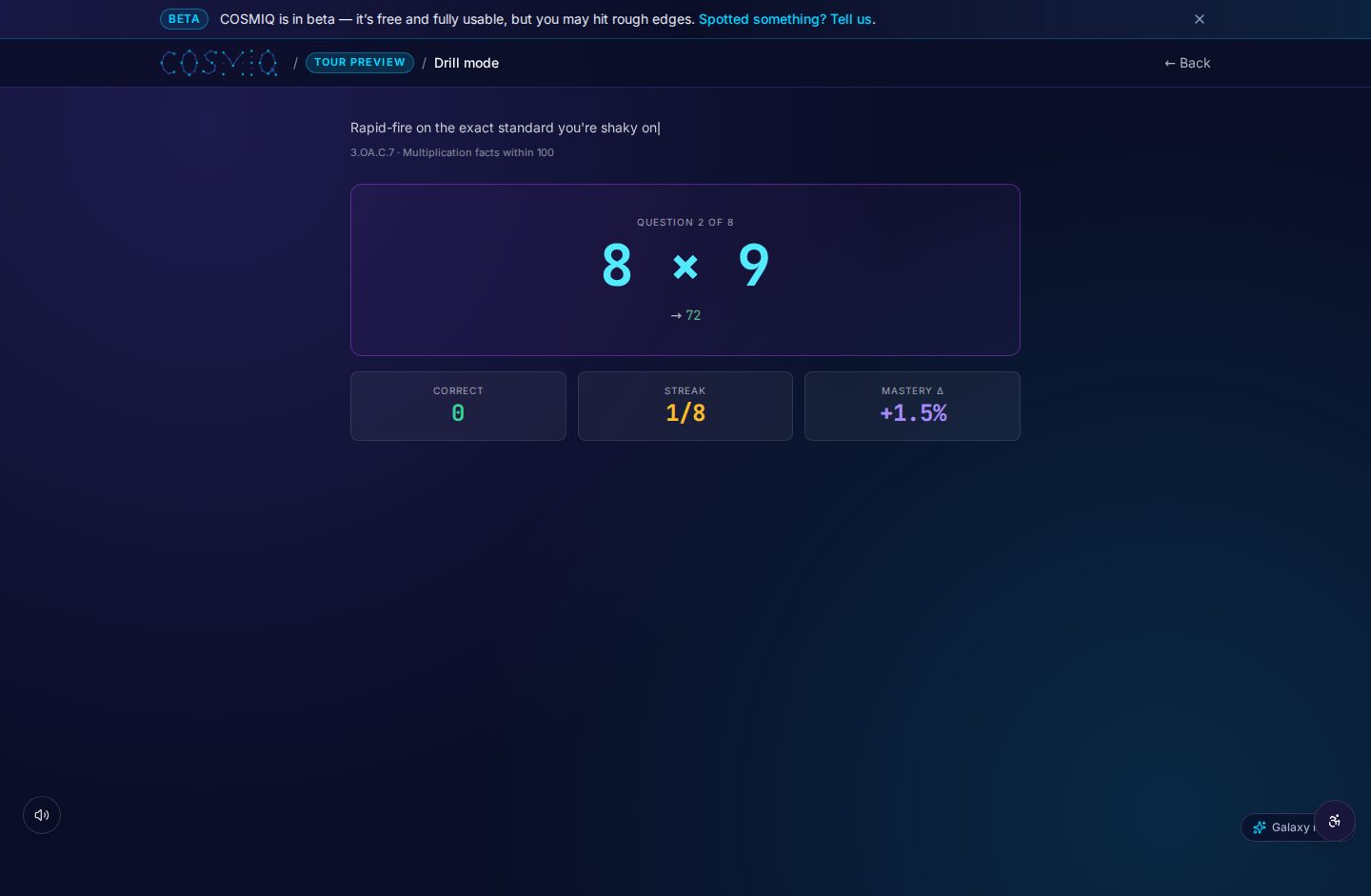
Use micro-learning to make revision specific. Rather than writing “study science,” set a smaller task: define five key terms, draw one process from memory, or answer two exam-style questions and explain each choice. Voice-based practice can be particularly helpful for recalling information, rehearsing explanations, and checking understanding aloud.
For parents and carers
Support small, consistent habits instead of trying to supervise every detail. A helpful prompt might be: What is one thing you want to understand better today? After a short study session, ask the learner to teach the idea back in their own words. This keeps the focus on thinking and independence rather than simply completing a task.
Making micro-learning sustainable
The most useful routine is one that can continue during a demanding week. Keep resources easy to find, limit the number of priorities, and avoid turning every learning moment into a checklist. If a session is missed, restart with the next available opportunity rather than abandoning the plan.
Micro-learning becomes more powerful when learners share what they are trying, ask questions, and receive thoughtful feedback. Short learning moments may be small, but they can help create a steady habit of reflection, practice, and improvement—one useful step at a time.
Learn anything, free.
COSMIQ is a free, voice-driven AI tutor for every learner. No credit card, ever.
Start learning free →