Minnesota District Rating Lookup

Navigating the education system can feel overwhelming, especially when you're trying to determine how a school district stacks up. If you live in Minnesota, you're in luck. The Minnesota District Rating Lookup gives you the tools to assess the quality of schools and districts across the state, helping you make informed decisions about your child’s education. But how do you effectively use this tool? Let’s break it down.
Understanding the Minnesota District Rating Lookup
The Minnesota District Rating Lookup is a resource provided by the Minnesota Department of Education. It allows you to access data about various school districts, including performance metrics, demographics, and other critical information that can give insight into the educational quality in your area. By using this tool, you can get a clearer picture of how well a district serves its students. You might wonder why this is important. Take, for example, the difference between schools in urban versus rural areas. Urban districts may have more resources, but they often face challenges like larger class sizes, while rural districts might have smaller schools but limited access to specialized programs or extracurricular activities. The Minnesota District Rating Lookup helps you see these differences and consider what matters most for your child. In a way, it’s like holding a magnifying glass over the education landscape, letting you spot the nuances that might otherwise go unnoticed.
How to Access the Lookup Tool
Accessing the Minnesota District Rating Lookup is straightforward. You can find it on the Minnesota Department of Education’s website. Once you’re on the site, you can search for specific districts by name or browse through a list of all the districts. This feature allows you to compare multiple districts side-by-side, making it easier to identify which ones meet your needs. After you find the district you're interested in, you’ll see a range of metrics. These include overall performance ratings, which are often based on standardized test scores, graduation rates, and other key indicators. If you want to dive deeper, you can also find demographic information about the student body, such as socioeconomic status and racial/ethnic backgrounds. This is essential context for understanding the performance of schools. For those who might not be tech-savvy, here’s a simple step-by-step guide to accessing the tool: Start by typing “Minnesota Department of Education” into your browser's search bar. Once on the homepage, look for the section that says “School and District Information.” This will take you to a page with various resources, including the District Rating Lookup. Click on it, and you’ll be prompted to enter the name of a school district or select from a list. After making your selection, you’ll see a dashboard filled with relevant data. It’s user-friendly, designed for parents and guardians like you who may not have extensive backgrounds in education.
Deciphering the Minnesota School Report Card
Another important aspect of evaluating school performance in Minnesota is the Minnesota School Report Card. This report card provides a detailed overview of how well schools and districts are meeting educational standards. It combines various indicators, such as student achievement, growth, and readiness for post-secondary education. When you look at the Minnesota School Report Card, you'll encounter terms like 'proficiency rates' and 'student growth.' Proficiency rates tell you what percentage of students are meeting or exceeding state standards. On the other hand, student growth indicates how well students are improving over time, regardless of where they started. This is particularly crucial for understanding how schools support students who may enter the system at different levels of readiness. For example, imagine two high schools: one with a high proficiency rate but a lower growth rate and another with lower proficiency numbers but significant growth. The latter school may be doing an exceptional job helping students catch up, which might be more beneficial for your child. By focusing solely on the proficiency rates, you might overlook the efforts schools make to support struggling students, which is a crucial aspect of education.
What Do Minnesota School Grades Mean?

Minnesota school grades serve as an essential component of the educational assessment system. These grades typically range from A to F, with A indicating exceptional performance and F signifying areas that need significant improvement. But what do these grades really mean? It’s vital to recognize that these grades are based on a combination of factors. Test scores certainly play a role, but so do other elements like attendance rates, graduation rates, and more. For example, a school that has high attendance and graduation rates but struggles with standardized test scores might still receive a passing grade. This approach aims to give a more holistic view of school performance, rather than focusing solely on test results. In addition to academics, other factors such as the availability of extracurricular activities, teacher qualifications, and support services also weigh into these grades. If a school has a strong after-school program or a high percentage of teachers with advanced degrees, those elements contribute positively to its grade. Conversely, if a school faces issues like poor student-to-teacher ratios or limited access to advanced placement courses, those factors could detract from its overall rating. Thus, understanding how these grades are derived can help you make a more informed decision about your child’s education.
Comparing Schools: What to Look For
When using the Minnesota District Rating Lookup and the School Report Card, it’s essential to know what to look for when comparing schools. Start with the basic metrics: proficiency rates, growth rates, and graduation rates. These figures are crucial in assessing overall performance. But don’t stop there. Dig deeper into the demographics of the school. Are they serving a diverse student body? How does the school support students from different backgrounds? Special programs, such as English as a Second Language (ESL) or advanced placement options, can also influence a school's effectiveness. For example, a school with a robust ESL program may be better equipped to help non-native speakers succeed. Furthermore, look for schools with strong parent engagement. Studies show that when parents are involved in their child's education, students are more likely to succeed. Some schools may have parent-teacher associations (PTAs) that actively engage with families, while others may have programs designed to involve parents more deeply in the educational process. This kind of involvement not only helps bridge the gap between home and school but also fosters a community that values education.
Engaging with the Community and School Board
Once you've gathered your data, it’s time to engage with the community and school board. Attend school board meetings or community forums to hear firsthand about challenges and successes within the schools. This engagement is crucial for understanding the context behind the numbers. For instance, if a school’s rating has dropped, it’s valuable to hear from administrators about the steps they’re taking to improve. These conversations can provide insights that aren’t always captured in a report card. Plus, getting involved shows your commitment as a parent or community member, which can influence school board decisions. Consider volunteering in classrooms or joining local educational committees. These activities allow you to see the school environment up close, understand its culture, and meet teachers and staff. You’ll gain a better sense of whether a school aligns with your educational values and expectations. Being proactive doesn’t just benefit your own child; it contributes to the overall health of the school community.
Resources for Parents and Students
Aside from the Minnesota District Rating Lookup and the Minnesota School Report Card, many resources can help you navigate your child’s education. Local parenting groups and online forums can offer support, advice, and shared experiences. Websites like GreatSchools.org also provide reviews and ratings for schools based on parent feedback. Consider also reaching out directly to schools. Don’t hesitate to ask questions about specific programs, teacher qualifications, and how schools support struggling students. This direct communication can give you the confidence you need to make the right choice for your child. Remember, no one knows your child better than you do, so trust your instincts. Additionally, consider exploring tutoring options or after-school programs that can give your child more individualized attention. Many local organizations offer scholarships or free resources to help families access these services, especially in low-income areas. This can be a game-changer in ensuring your child achieves their fullest potential.
The Role of State Assessments in Evaluating Schools
State assessments play a crucial role in the educational landscape, particularly in how schools are evaluated. In Minnesota, students in various grades participate in standardized tests designed to measure their skills in core subjects like math, reading, and science. These assessments provide critical data that feeds into the Minnesota School Report Card, influencing school grades and district ratings. These tests not only measure student outcomes but also help identify areas where schools may need support. For example, if a significant number of students are struggling with math proficiency, schools can analyze this data to tailor their curriculum or instructional strategies. It’s a feedback loop that aims to improve educational quality over time. However, it’s essential to understand the limitations of standardized testing. While they provide valuable insights, they don’t capture every aspect of a student's learning experience or a teacher’s effectiveness. This is why a comprehensive approach to evaluating schools is crucial. In addition to test scores, you should consider other factors, such as student engagement in class, the availability of creative learning opportunities, and the overall school environment. For example, schools that prioritize social-emotional learning or have programs to foster inclusivity may create an atmosphere where students feel supported and motivated to learn, which can ultimately lead to better performance on these assessments.
Understanding Special Education Resources in Schools
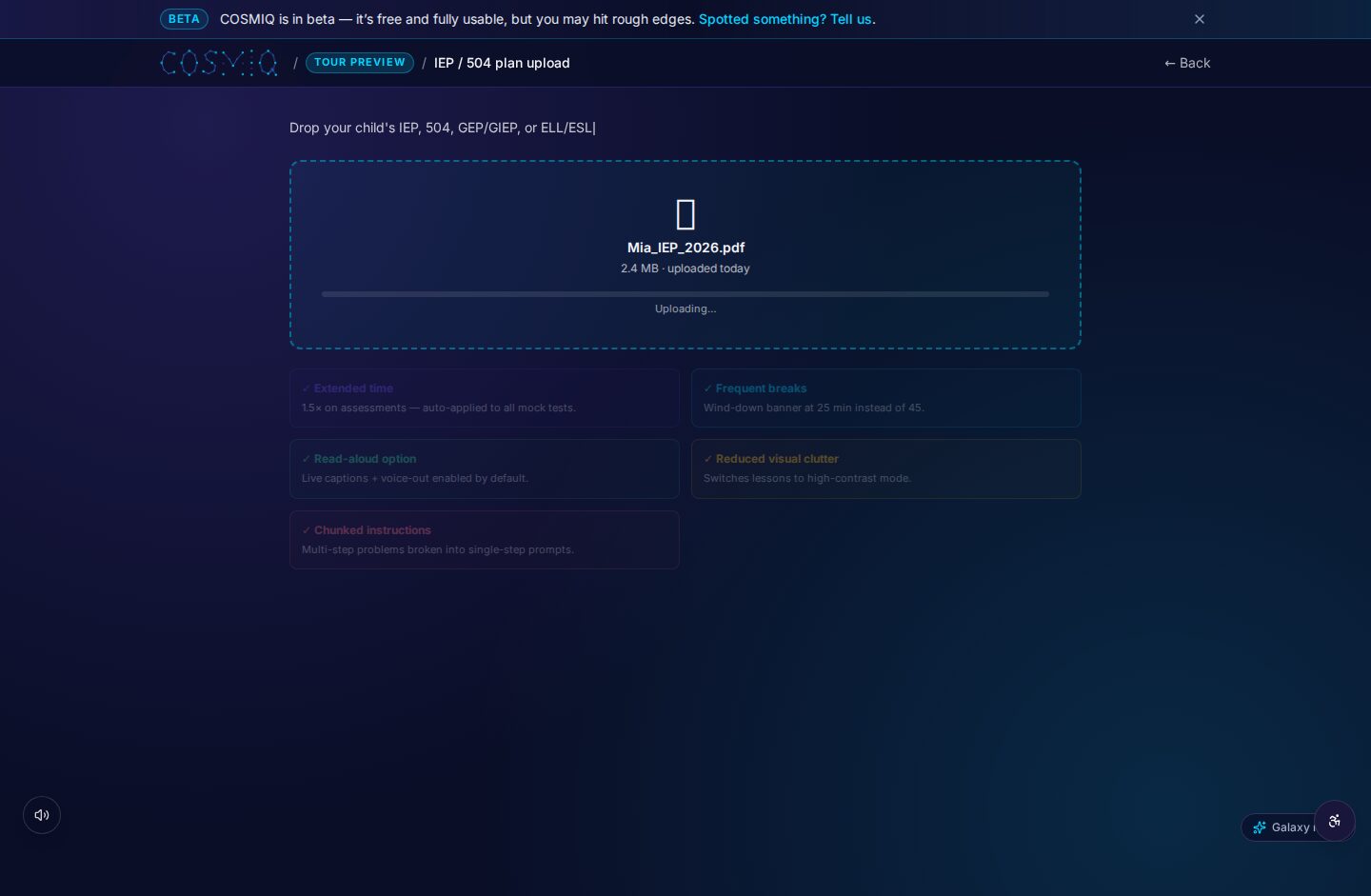
If your child has special needs, understanding how schools support these students is critical. Every school district in Minnesota must comply with federal and state regulations regarding special education services, which are designed to ensure that all students, regardless of their abilities, receive a quality education. The Minnesota District Rating Lookup may provide information about the resources available for special education within each district. This can include details about special education programs, the qualifications of staff who work with these students, and the availability of assistive technologies. Look for schools that have a strong track record of supporting students with special needs. High ratings for special education services might indicate that the school has adequate resources, trained professionals, and a commitment to inclusivity. For instance, if a school has a high percentage of students in specialized programs who ultimately transition to mainstream classes, it may suggest effective support and integration practices. Furthermore, don't hesitate to reach out to schools directly to inquire about their special education programs. Ask about individualized education plans (IEPs) and how they are implemented. Understanding how the school collaborates with parents to set and achieve educational goals can provide peace of mind as you make decisions about your child's education. Your child's unique needs should be a top priority, and knowing how a school addresses these needs will guide you in making an informed choice.
Using the Minnesota District Rating Lookup is more than just a way to gather statistics. It’s a tool that empowers you as a parent or community member to make informed decisions that could greatly impact a child's future. By understanding the metrics, engaging with the community, and utilizing available resources, you’re not just choosing a school; you’re choosing an environment that fosters growth, learning, and success. So get started, and ensure you’re making choices that align with your child’s educational needs. It’s not just about finding a school; it’s about finding the right fit for your child's unique journey.
Related resources: minnesota school grades
Learn anything, free.
COSMIQ is a free, voice-driven AI tutor for every learner. No credit card, ever.
Start learning free →