MTSS Software That Covers Tiers 1, 2, and 3 in One Platform

In the realm of education, finding the right tools to support students can make all the difference. Schools are increasingly turning to MTSS (Multi-Tiered System of Supports) software that covers Tiers 1, 2, and 3 in one platform. This unified approach allows educators to streamline their processes, ensuring that every student gets the support they need, regardless of their starting point. But what does this mean for you as a teacher, an administrator, or even a parent? Let’s dig into the benefits, functionalities, and practical applications of MTSS software.
Understanding MTSS and Its Importance
First off, let’s break down what MTSS really is. At its core, MTSS is a framework that schools use to provide targeted support to students based on their individual needs. It operates across three tiers—Tier 1 addresses the needs of all students through high-quality classroom instruction, Tier 2 offers additional support for students who need it, and Tier 3 provides intensive interventions for those who require a more personalized approach. Having a robust MTSS framework in place is essential for creating an inclusive and effective educational environment.
Why is this multi-tiered approach so crucial? Think about it: every student learns differently, and a one-size-fits-all strategy simply doesn't cut it. For instance, Tier 1 might include grade-level reading instruction for all students, but some may still struggle. That’s where Tier 2 comes in, offering targeted small group interventions. And for those few who still need help, Tier 3 provides individualized support. The goal is to identify and address learning gaps early on, rather than waiting for them to widen.
Let’s consider a practical example. Imagine a classroom of 30 students. While some excel in mathematics, others might find it challenging. In Tier 1, the teacher delivers a standard lesson. For those who grasp the material, they can move forward confidently. However, for students who don't, the teacher can implement Tier 2 interventions like additional group tutoring sessions. For those few students who continue to struggle, Tier 3 might involve specialized one-on-one instruction or the use of educational software tailored to their needs. This tiered approach ensures that every student, regardless of their starting point, is given the chance to succeed.
The Role of MTSS Software
MTSS software plays a vital role in making this multi-tiered system effective. Instead of relying on a patchwork of tools and resources, educators can leverage a single platform that encompasses all three tiers. This not only simplifies the process but also allows for better tracking and analysis of student data. With MTSS software, you can easily monitor student progress, analyze data trends, and make informed decisions about interventions.
Imagine having access to a dashboard that shows you which students are meeting benchmarks, which are at risk, and what specific interventions have been implemented. This kind of visibility is invaluable. It enables teachers to collaborate more effectively and share insights in real-time, ultimately leading to more effective strategies for student success.
Additionally, consider how MTSS software can help in identifying trends across grade levels. For instance, if multiple third-grade classrooms report a similar decline in reading comprehension scores, the software can alert administrators to investigate potential root causes. This proactive approach allows schools to adjust curriculum or teaching strategies before the issue escalates.
Features of Comprehensive MTSS Software
When it comes to selecting MTSS software, you need to look for features that will truly enhance your school’s ability to support students. A good platform should include assessment tools that align with your curriculum, enabling you to gather data that informs instruction. MTSS-aligned tutoring programs are an excellent addition, providing targeted support based on individual student needs.
Another key feature is the ability to create customized intervention plans. Whether you’re addressing behavioral issues or academic struggles, the software should allow you to tailor interventions that are specific to each student. This can range from additional tutoring sessions to behavior modification strategies. The flexibility to adjust these plans based on ongoing assessments ensures that you’re always meeting students where they are.
Moreover, some MTSS software includes built-in communication tools to facilitate collaboration among teachers, parents, and support staff. Imagine being able to send out updates about a child's progress or behavioral trends without having to schedule multiple meetings. This streamlined communication can enhance the support network around each student, making it easier to coordinate efforts.
Choosing MTSS Tier 1 2 3 Software
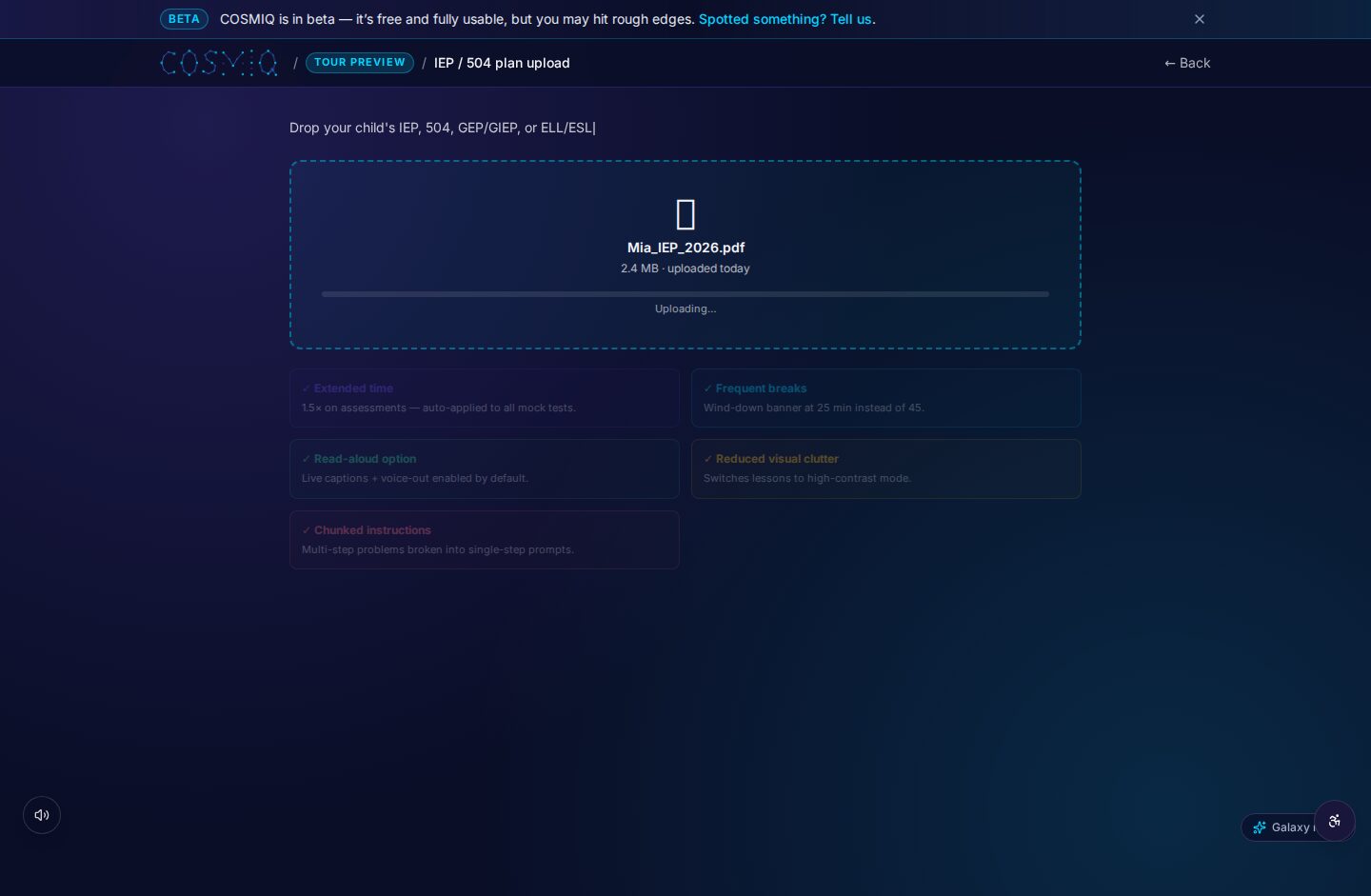
Not all MTSS software is created equal, so when you’re on the hunt for the right solution, consider your school’s unique needs. Ask yourself: What are the specific challenges your students face? What kind of data do you need to effectively track their progress? Take a close look at how well the software integrates with existing systems and data sources.
For example, if your school has already invested in certain assessment tools or learning management systems, choose software that can seamlessly integrate with those platforms. This will minimize disruption and ensure that you’re not duplicating efforts. You’ll want a solution that’s user-friendly, allowing teachers to easily navigate the system without extensive training.
It's also worth considering the scalability of the software. As your school grows or as educational needs evolve, will the software be able to adapt? Look for systems that offer customizable features or additional modules so that you can expand your use of the platform without switching to a completely different tool. This way, you can maintain continuity in your data and support efforts.
Implementation Challenges and Solutions
Implementing a new MTSS software can come with its own set of challenges. Resistance to change is natural; after all, educators have busy schedules and many responsibilities. To ease the transition, start with a pilot program. Select a small group of teachers to test the software, gather feedback, and adjust accordingly.
Professional development is also crucial. Offer training sessions not just for teachers but for support staff and administrators as well. Everyone needs to be on the same page. Make sure that faculty members understand how to use the software effectively, interpret the data, and apply the findings to improve student outcomes.
Another common hurdle is ensuring adequate technical support. Schools often lack the IT resources to troubleshoot issues promptly. It's essential to have a dedicated support team or a reliable vendor who can assist when problems arise. Quick access to help can significantly reduce frustration and keep educators focused on their primary mission—supporting students.
Measuring Success with MTSS Software
Once you’ve implemented MTSS software, the next step is to measure its effectiveness. This involves analyzing data collected over time to see how well students are responding to interventions. Are students in Tier 2 making sufficient progress? Are those in Tier 3 seeing improvements? Use this data to make informed decisions about what’s working and what needs adjustment.
Consider setting up regular check-in meetings where educators can discuss their findings. This collaborative approach fosters a culture of continuous improvement. It’s not just about tracking student performance but also about making sure that the support system in place is evolving to meet changing needs.
Additionally, consider how success is defined within your school. Is it only academic achievement, or do you also factor in student engagement, attendance, and behavioral progress? A comprehensive approach to measuring success will provide a clearer picture of how well the MTSS system is functioning.
Real-World Examples of MTSS Success
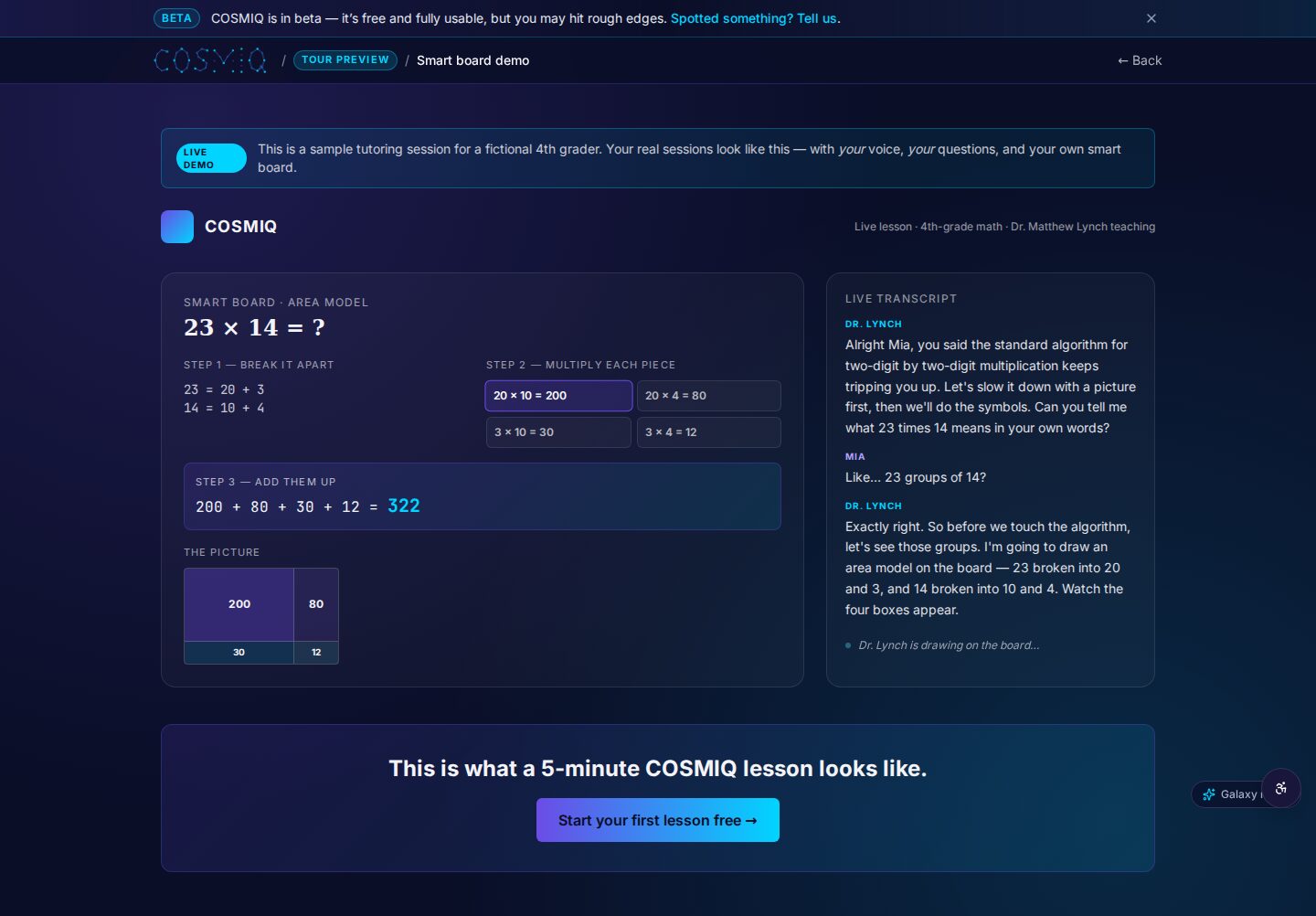
Nothing drives the point home better than real-world examples. Take a look at a middle school that implemented an MTSS-aligned tutoring program as part of its software suite. Initially, they faced challenges with student engagement in Tier 2 interventions. By using data from the MTSS software, the school identified that students were frustrated with the same format of instruction. They adjusted their approach, incorporating more interactive activities and personalized learning paths.
As a result, students not only became more engaged, but their scores improved significantly over the course of the year. This example illustrates how powerful MTSS software can be when used correctly. By focusing on data-driven decisions, schools can better meet the needs of their students and adapt their strategies as necessary.
In another scenario, a high school utilized MTSS software to address behavioral issues among students. They created a behavior intervention team that worked closely with teachers to track student behavior over time. With the insights gained, they were able to implement targeted interventions that significantly reduced disciplinary incidents. This not only improved the school environment but also led to better academic performance overall.
Consider a district that used MTSS software to analyze achievement gaps among different demographic groups. By tracking performance data, they identified that students from certain backgrounds were falling behind in math. The district then deployed Tier 2 interventions specifically targeting these groups, such as after-school tutoring and mentoring programs led by high-performing peers. Over the following year, the gap began to close, showcasing the effectiveness of a well-implemented MTSS framework.
The Future of MTSS Software
As educational needs evolve, so too must the tools we have at our disposal. The future of MTSS software lies in increased integration with artificial intelligence and machine learning. Imagine a system that can predict a student's potential struggles based on historical data and provide preemptive interventions. This proactive support could revolutionize how we approach student learning.
Furthermore, as schools continue to embrace remote learning and digital classrooms, MTSS software will need to adapt to these environments. There’s a growing demand for platforms that can support both in-person and virtual students seamlessly. This means developing features that cater to different learning styles, such as gamified learning experiences for online platforms, ensuring that every student receives the same level of support, regardless of their learning environment.
Another exciting direction is the integration of parent and community engagement tools within MTSS software. As schools recognize the value of involving families in the educational process, software that facilitates communication and partnership with parents can enhance the effectiveness of interventions. Tools that provide parents with updates on their child's progress and resources for at-home support empower families to play an active role in their child's education.
Final Thoughts on MTSS Software
So, if you're part of an educational institution looking to better serve your students, don’t underestimate the power of comprehensive MTSS software. It's not just a tech solution; it’s a pathway to meaningful change in how we approach student support. With the right tools in place, schools can create a responsive and supportive environment where every student can thrive.
As you move forward, keep in mind the importance of continual reflection and adaptation. The landscape of education operates in real-time, and your methods must evolve to match the dynamic needs of your students. Comprehensive MTSS software is an ally in this journey, equipping you with the data and insights necessary to make impactful decisions. Ready to take your first step? The future of education awaits.
Related resources: MTSS tier 1 2 3 software · MTSS tier 1 2 3 software · multi-tiered system of supports digital · multi-tiered system of supports digital
Learn anything, free.
COSMIQ is a free, voice-driven AI tutor for every learner. No credit card, ever.
Start learning free →