MTSS Software That Does the Tiered Intervention for You

Understanding MTSS and Its Importance
You’ve probably heard of the Multi-Tiered System of Supports (MTSS) in education. But what does it really mean? MTSS is more than just a buzzword; it’s a framework that helps schools provide targeted support for all students based on their individual needs. Why does this matter? Because every child learns differently, and an effective MTSS approach ensures that no student gets left behind.
In a typical MTSS model, support is delivered in tiers. Tier 1 interventions are universal and include high-quality classroom instruction. Tier 2 interventions, however, are more targeted and designed for students who need extra help. This is where effective MTSS software comes into play. It can streamline the process, making it easier for educators to identify students in need and implement appropriate interventions.
The Role of MTSS Software
So, what exactly can MTSS software do for you? Think of it as your go-to tool for managing and implementing tiered interventions. With the right MTSS software, you can automate data collection, track student progress, and analyze outcomes—all without overwhelming yourself with paperwork.
For instance, imagine you’re a teacher in a busy school. You have a diverse classroom with students at varying levels of understanding. By using MTSS software, you can easily assess which students are struggling and apply tier 2 interventions in real-time. This helps you provide personalized support, ensuring that every student receives the attention they need.
Moreover, the data generated by MTSS software is invaluable. It provides insights into student performance, helping you as an educator understand trends and patterns. Imagine being able to visually track a student’s progress over time. You can see how specific interventions are impacting their learning. This informed perspective allows you to adjust your teaching strategies effectively.
Integrating AI Tutor for Schools
Now, let’s talk about technology—specifically, AI tutors for schools. These tools are not just the latest fad; they’re revolutionizing how we approach education. AI tutors can offer personalized learning experiences, allowing students to progress at their own pace. How does this tie into MTSS? When you integrate AI tutors into your MTSS framework, you enhance the tier 2 intervention process.
Imagine a student who struggles with math concepts. An AI tutor can provide additional exercises tailored to that student's specific needs, reinforcing what they’ve learned in class. This targeted support is essential for students who might otherwise fall through the cracks. The combination of MTSS software and AI tutoring creates a robust support system, helping ensure that every child has the opportunity to succeed.
Think about the implications of an AI tutor for a student who has missed several classes due to illness. They could use the AI tutor to catch up at their own pace, accessing lessons and practice problems tailored to fill the gaps in their understanding. This not only helps with immediate learning needs but also builds a foundation for future success.
Choosing the Right RTI Software for Teachers
Response to Intervention (RTI) is a key component of MTSS, focusing on early identification and support for students with learning difficulties. Selecting the right RTI software for teachers is vital to making this process seamless. You want a solution that not only tracks academic performance but also allows for easy communication among educators, parents, and specialists.
For instance, if you’re using RTI software that integrates seamlessly with your existing MTSS software, you can quickly identify which students need tier 2 intervention. You can efficiently manage their progress through clearly defined metrics, ensuring that you’re effectively addressing their needs. Having this clarity helps educators make informed decisions about the best interventions, improving outcomes for all students.
Additionally, consider how the right RTI software can facilitate collaboration. For example, if a student is receiving support from a special education teacher and a general education teacher, the software can provide both educators with access to the same data. This shared understanding is crucial for implementing consistent interventions across different learning environments.
Maximizing the Benefits of Tier 2 Intervention Software
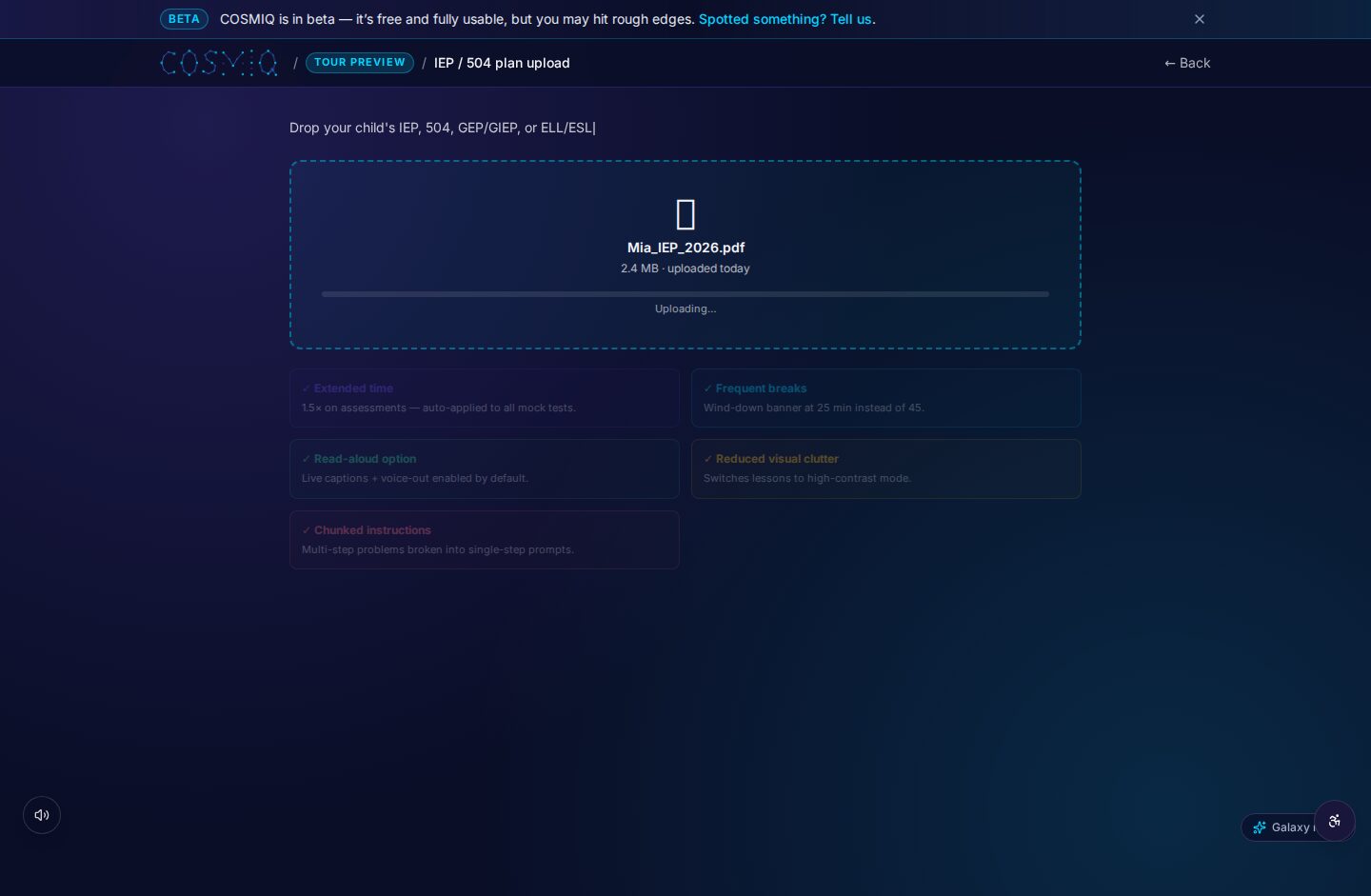
Let’s get into the specifics of tier 2 intervention software. This type of software is designed to help educators implement targeted interventions for students who are struggling. It provides recommendations based on data—data that’s easily collected and analyzed. The goal here is to enhance student outcomes through tailored interventions.
For example, one powerful feature of tier 2 intervention software is its ability to generate reports on student progress. These reports can reveal patterns in learning and highlight areas where students excel or need improvement. When you have access to this kind of information, you can adjust your teaching strategies accordingly, ensuring that your interventions are effective.
Moreover, tier 2 intervention software often includes built-in resources such as lesson plans, assessment tools, and even training materials for educators. This can be a game-changer for teachers who may feel overwhelmed by the demands of providing additional support. With everything in one place, you can focus more on teaching and less on logistics.
Title I Tutoring and Its Connection to MTSS
Title I tutoring is a crucial aspect of ensuring that low-income students receive the support they need. Schools that receive Title I funding are required to offer additional assistance to students who are underperforming. Integrating MTSS software can significantly enhance the effectiveness of Title I tutoring programs.
Think about it: with the right MTSS software, you can easily track which students are receiving Title I tutoring and monitor their progress. This data allows educators to refine their approaches, ensuring that the tutoring is focused and effective. It’s not just about providing additional resources; it’s about using data-driven insights to boost student success.
Furthermore, the integration helps in targeting specific skills that need improvement. For example, if data shows that a group of students is struggling with reading comprehension, Title I tutors can adjust their focus. Instead of a generic approach, they can hone in on strategies tailored to enhance comprehension skills, making the tutoring sessions much more effective.
Implementing MTSS Tier 2 Interventions Effectively
Implementing MTSS tier 2 interventions isn’t just a checkbox; it’s a commitment to each student’s success. When using MTSS software, it becomes easier to monitor and adjust these interventions based on data. You can set goals, track progress, and modify strategies as needed.
For example, let’s say you’ve identified a group of students requiring additional support in reading. With your tier 2 intervention software, you can create a specific intervention plan for each student based on their individual needs. This targeted approach is much more effective than a one-size-fits-all strategy. Plus, you can regularly review their progress through the software, making necessary adjustments along the way.
Moreover, communication is key when implementing MTSS tier 2 interventions. It’s not just about the teacher; parents should be involved too. MTSS software often includes features that allow educators to share progress reports with parents, helping them engage in their child’s learning. This creates a support network for the student that extends beyond the classroom.
The Future of MTSS and Technology in Education
As we look to the future, the importance of integrating technology into our education systems cannot be understated. MTSS software, AI tutors for schools, and tier 2 intervention software will continue to evolve. The goal is simple: to make education equitable and accessible for all students.
Imagine a classroom where every student receives the personalized support they need to thrive. That’s what the future of MTSS looks like. With advancements in technology, educators will have the tools to analyze data more effectively, implement targeted interventions, and ultimately create a more inclusive learning environment.
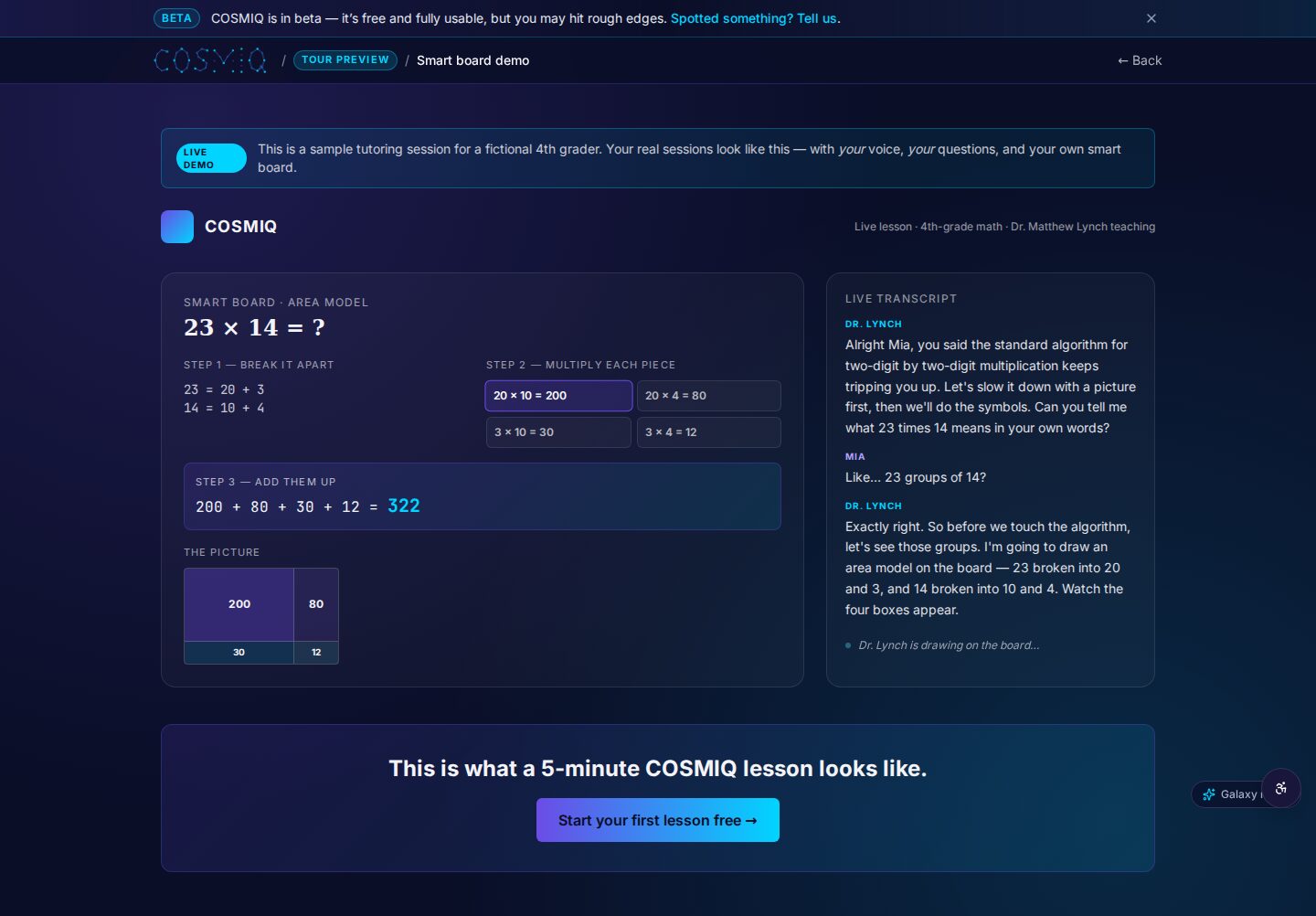
As AI and machine learning technologies continue to progress, we can expect even more sophisticated tools that can predict student needs before they become apparent. Imagine software that can analyze a student’s response patterns and recommend interventions before a student even realizes they’re struggling. This proactive approach could redefine the role of teachers, allowing them to focus on fostering creativity and critical thinking.
Overcoming Challenges in MTSS Implementation
While MTSS presents a powerful framework for supporting student learning, implementing it effectively comes with its own set of challenges. One of the most significant hurdles is the buy-in from all stakeholders—including teachers, administrators, and parents. Without a shared understanding and commitment to the MTSS process, its effectiveness can be severely limited.
For instance, if teachers are not properly trained on how to use MTSS software or understand the tiered intervention model, they may struggle to implement interventions consistently. This can lead to a patchwork approach where some students receive the support they need while others are overlooked. Training sessions that include hands-on experience with MTSS software can help alleviate this issue.
Additionally, schools may face logistical challenges such as time constraints or limited resources. Finding time within the school day for teachers to meet and discuss student progress can be difficult. However, utilizing MTSS software that enables asynchronous communication and data sharing can help teachers collaborate more effectively, even with limited time.
Data-Driven Decision Making in MTSS
Data plays a crucial role in the MTSS framework, guiding decisions that directly affect student learning. With MTSS software, educators can collect a wealth of data, from academic performance to behavioral indicators. The key is knowing how to interpret this data to make informed decisions.
For example, if you notice that a particular group of students consistently scores lower on math assessments, you can use your MTSS software to drill down into the data. Are they struggling with specific concepts, or is it a broader issue? This analysis could lead to targeted interventions that are more likely to yield results.
Furthermore, regular data reviews help in adjusting interventions over time. What worked for a student last semester might not be effective this semester. By continually analyzing data, educators can tweak their strategies, ensuring that they meet the evolving needs of their students.
The Importance of Professional Development in MTSS
Professional development is a vital component of the successful implementation of MTSS. Educators must feel confident in their ability to use MTSS software, understand tiered interventions, and engage students effectively. Investing in professional development not only benefits teachers but also has a direct impact on student outcomes.
For example, training sessions that focus on data interpretation can empower teachers to take ownership of their students' progress. Workshops that introduce best practices for tier 2 interventions can equip educators with the tools they need to implement effective strategies in their classrooms.
Moreover, professional development should not be a one-time event. Ongoing training opportunities keep educators updated on the latest research and tools available in the field. As technology evolves, so too should the skills of those who use it. Schools that prioritize continuous learning create a culture of improvement that benefits everyone.
Related resources: AI tutor for schools · AI tutor for schools · RTI software for teachers · MTSS tier 2 intervention · MTSS tier 2 intervention
Learn anything, free.
COSMIQ is a free, voice-driven AI tutor for every learner. No credit card, ever.
Start learning free →