MTSS Tier 2 and Tier 3 Support, Delivered to Every Student at Once

Understanding MTSS and Its Importance
If you’re involved in education, you’ve probably heard of MTSS—Multi-Tiered System of Supports. But what does it really mean? At its core, MTSS is all about ensuring that every student receives the support they need to succeed. It’s a framework that helps identify at-risk students and provides timely interventions. With the right MTSS software, schools can streamline this process and deliver targeted help without leaving anyone behind.
In essence, MTSS is divided into three tiers. Tier 1 encompasses general classroom instruction, where teachers use universal strategies to cater to the whole group. Tier 2 targets students who need additional support, often through small group interventions. Finally, Tier 3 focuses on individual interventions for students with significant challenges. This multi-tiered approach allows educators to be proactive rather than reactive, addressing learning gaps before they widen. Without a robust MTSS framework, schools risk allowing students to fall through the cracks, impacting their long-term success.
The Role of Tier 2 Interventions
Tier 2 interventions are critical in the MTSS framework. They’re designed for students who don’t adequately respond to Tier 1 strategies. Think of it as a safety net. This is where tier 2 intervention software comes into play, enabling teachers to track data, monitor student progress, and adjust interventions based on real-time feedback. With the right tools, educators can implement strategies that are evidence-based and tailored to specific student needs.
For instance, let’s say a group of students is struggling with reading comprehension. With the right tier 2 intervention software, a teacher can implement targeted reading groups, focusing on specific skills. The software can help monitor each student’s progress, ensuring that the intervention is effective and timely adjustments can be made when necessary. This level of tailored support is vital for helping students regain their footing.
A tangible example could involve a teacher using tier 2 intervention software to implement a reading fluency program. By grouping students based on their reading levels, the teacher can provide targeted exercises that focus on speed and accuracy. After a few weeks, the software tracks the students' progress, revealing which students are improving and which aren't. This actionable data allows the teacher to refine groups and strategies, ensuring every child receives the intervention they need to succeed.
Implementing MTSS Software Effectively
But how do you effectively implement MTSS software in your school? First, you need buy-in from all stakeholders—teachers, administrators, and even parents. This collaborative approach fosters a culture where everyone is invested in student success. Organizing workshops to explain the benefits of MTSS software can create a shared vision that emphasizes the importance of supporting every student.
Training is key. Educators should have the tools and knowledge to fully utilize the MTSS software. This can involve workshops, ongoing professional development, and resource sharing. By ensuring that everyone knows how to use the software effectively, schools can maximize the benefits of the MTSS framework. Without it, you risk underutilizing a powerful resource.
Moreover, establishing clear protocols for data entry and monitoring is essential. If teachers are trained but there’s no system for consistent data collection, the potential of MTSS software goes unrealized. Schools might consider setting up regular check-ins, where educators discuss their data and experiences, allowing them to learn from one another and refine their approach collectively.
Personalizing Support with AI Tutors
Incorporating technology such as AI tutors for schools can also enhance the MTSS process. These intelligent systems can provide personalized learning experiences, adapting to each student’s needs. Imagine a student struggling with math concepts—an AI tutor can offer practice problems tailored specifically to their skill level. This adaptive learning technology doesn’t just cater to the curriculum, but it also fills the gaps where individual students might be struggling.
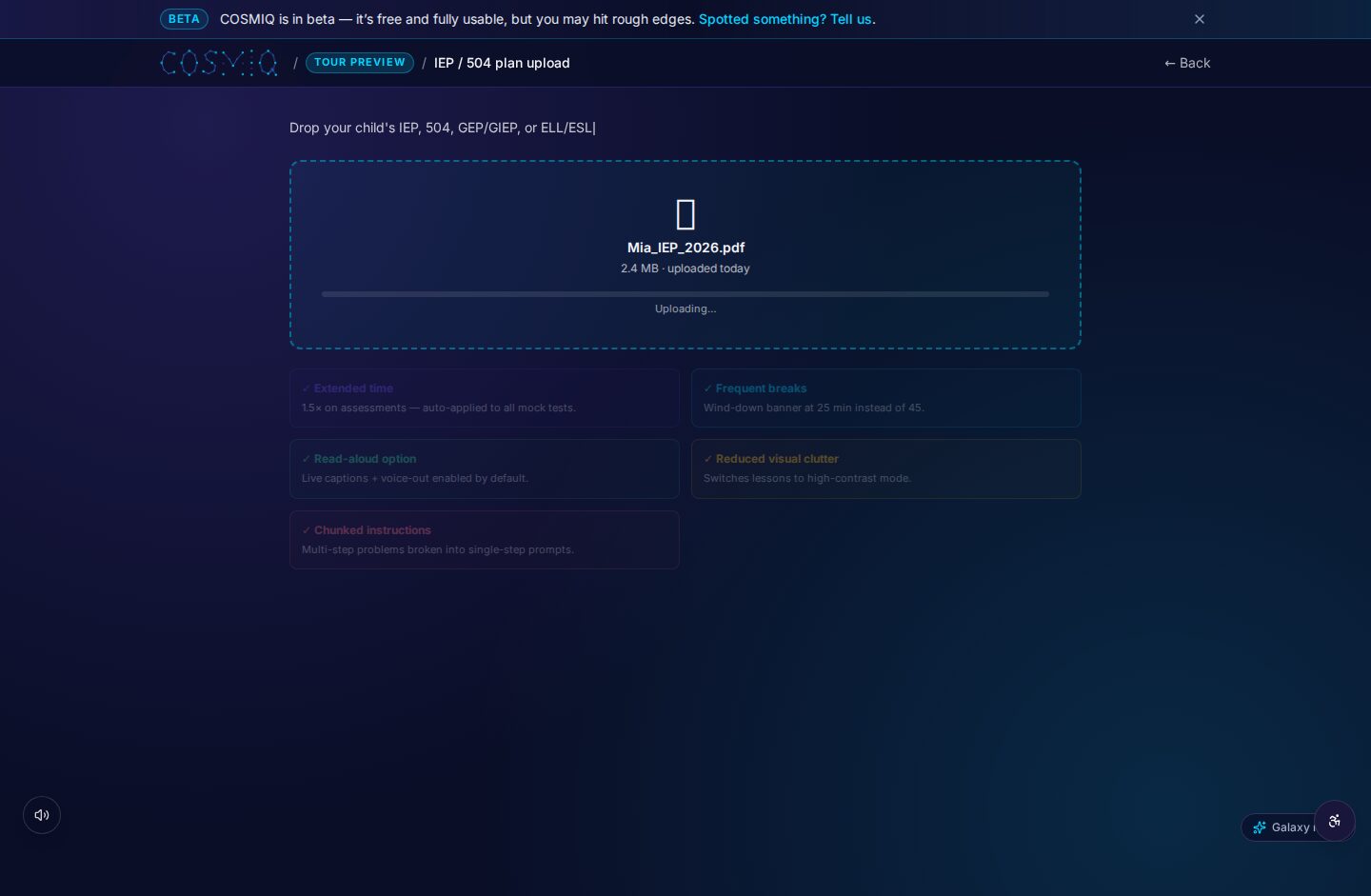
Not only does this provide additional support, but it also frees up teachers to focus on direct instruction and personal interactions. The combination of MTSS tier 2 intervention and AI tutoring gives students multiple avenues for success. It ensures that help isn’t just available; it’s relevant and engaging.
To illustrate, consider a student who struggles with fractions. While the teacher is facilitating a whole-class instruction on fractions, the AI tutor can simultaneously provide personalized practice for that student, offering step-by-step guidance on problems that match their unique challenges. The instant feedback from the AI can reinforce the learning that happens during direct instruction, allowing students to build confidence and mastery at their own pace.
Utilizing RTI Software for Teachers
Response to Intervention (RTI) software for teachers is another tool that can streamline the MTSS process. This type of software helps educators monitor student performance over time, offering insights into which interventions are working and which aren't. It's a data-driven approach that can significantly enhance decision-making. With these insights, teachers can make informed decisions, switching strategies if necessary.
For example, if a teacher notices that a particular intervention isn’t yielding results for a group of students in reading, they can quickly pivot and try a different strategy. The RTI software provides a comprehensive view of student progress, allowing for informed choices about interventions. When you have this level of detail, you can support students much more effectively.
In a practical scenario, a teacher might use RTI software to analyze data from various assessments. If five students consistently test below grade level in reading comprehension, the teacher can identify this trend and initiate a targeted intervention for that specific group. With RTI software, the teacher can document the changes made, track the students' responses, and visualize their progress over time. It creates a loop of continuous improvement.
Title I Tutoring and Its Connection to MTSS
Title I tutoring is a federal program designed to help students from low-income families achieve academic success. It’s an essential component of equitable education. Integrating Title I resources with MTSS strategies can lead to even greater outcomes. Schools can leverage Title I funding not just for additional staffing but also for specialized training on how to implement effective interventions using MTSS frameworks.
By aligning Title I tutoring with MTSS tier 2 and tier 3 interventions, schools can provide targeted support that meets the needs of their most vulnerable students. For instance, if a Title I tutor identifies a specific skill gap while working with a student, that information can be fed back into the MTSS framework to adjust interventions promptly. This collaborative approach ensures no student slips through the cracks.
Moreover, having Title I tutors collaborate with classroom teachers can create a unified approach to student support. Regular meetings can ensure that tutors are aware of classroom strategies, allowing them to reinforce skills in their tutoring sessions. The result? A more cohesive support system that benefits students academically and emotionally.
The Future of Support in Education
Looking ahead, the possibilities for MTSS are exciting. As technology continues to advance, we’ll likely see even more sophisticated tools that can help educators deliver support. Imagine a world where real-time data analytics inform not just individual interventions but also broader school-wide strategies. The idea of predictive analytics in education could allow schools to foresee potential challenges and address them proactively.

Incorporating tools like MTSS software and tier 2 intervention software will empower schools to be proactive rather than reactive. This means educators can identify potential issues before they escalate, ensuring that all students receive the support they need promptly. It’s a shift in mindset that could transform educational outcomes.
For instance, schools could implement predictive models based on historical performance data, identifying at-risk students before they even struggle. By shifting the paradigm from reactive to anticipatory support, educators can foster an environment where students are more likely to succeed.
Creating a Culture of Support
Finally, it’s crucial to foster a culture of support within your school. This means not only implementing MTSS strategies but also creating an environment where students feel safe to express their struggles. Encourage open dialogue among students, teachers, and parents. This sense of community can make all the difference in how students approach their education.
By creating a community where everyone understands the importance of support, you’re setting the stage for success. When students know that they’re not alone and that help is available, they’re more likely to engage and take ownership of their learning. Such an environment doesn’t just enhance academic performance; it also builds resilience and social-emotional skills.
This is the heart of MTSS: delivering support to every student at once, meeting them where they are, and helping them grow. It’s not just about the systems and tools; it’s about the relationships and the culture we build around them. Ultimately, the goal is to create a landscape where every child can thrive. Creating partnerships with families and community organizations can expand the resources available to students. This holistic approach reinforces the idea that education is a shared responsibility among all stakeholders.
Measuring Success in MTSS Implementation
To truly understand the effectiveness of your MTSS framework, you need to measure success. But what does success look like in an MTSS model? It's not just about academic achievements; it's also about social-emotional growth and student engagement. Using a combination of quantitative and qualitative metrics can provide a comprehensive view of how well the system is functioning.
Start by defining clear, measurable objectives that align with MTSS goals. For instance, you might set targets for improving reading fluency rates among Tier 2 students or increasing attendance rates in intervention sessions. Regular assessments can help track progress against these goals, making it easier to identify areas that need adjustment.
Moreover, gathering feedback from students, teachers, and parents can provide valuable insights that numbers alone might miss. Surveys can gauge students’ feelings about the support they receive and how engaged they feel in their learning. Similarly, teacher reflections on the effectiveness of interventions can offer deeper understanding and help refine strategies going forward. This comprehensive approach to measuring success ensures that MTSS implementation is not just a checkbox, but a transformative process that genuinely supports every student.
Related resources: AI tutor for schools · AI tutor for schools · RTI software for teachers · RTI software for teachers · MTSS tier 2 intervention
Learn anything, free.
COSMIQ is a free, voice-driven AI tutor for every learner. No credit card, ever.
Start learning free →