Multiple Intelligences vs. Learning Styles: Understanding Gardner's Theory

The Foundations of Multiple Intelligences
Howard Gardner introduced his theory of multiple intelligences in 1983, shaking the very core of how we think about intelligence. Instead of viewing intelligence as a single, fixed trait, Gardner proposed that we have various types of intelligences, each representing different ways of processing information. This was a radical departure from the traditional IQ model, which primarily focused on linguistic and logical-mathematical abilities. Gardner identified eight distinct intelligences, including linguistic, logical-mathematical, spatial, musical, bodily-kinesthetic, interpersonal, intrapersonal, and naturalistic.
Think about it: You might excel in creating music but struggle with algebra. That doesn’t mean you lack intelligence; it just means you possess different strengths. Gardner's work encourages us to appreciate these varied skills, particularly in educational settings. It highlights the idea that teaching should cater to diverse strengths, helping every student reach their full potential.
Let's take a closer look at these eight intelligences. Linguistic intelligence is all about the ability to use language effectively, whether in writing or speaking. Think of authors or poets—it's their world. Logical-mathematical intelligence is prized in fields that require reasoning, such as math and science. Spatial intelligence allows individuals to visualize and manipulate objects, an asset for architects and artists alike. Then there's musical intelligence, which enables one to create, appreciate, and analyze musical patterns.
Bodily-kinesthetic intelligence involves using one's body to solve problems or create products. Athletes and dancers often fall into this category. Interpersonal intelligence is about understanding and interacting with others, making it crucial for teachers and leaders. Intrapersonal intelligence involves self-awareness, allowing individuals to understand themselves deeply. Finally, naturalistic intelligence connects people to the natural world, with abilities in identifying flora and fauna.
Learning Styles: A Brief Overview
On the other hand, the concept of learning styles gained popularity in the late 20th century. The premise is simple: individuals have preferred ways of learning that influence how they absorb and process information. Common categorizations include visual, auditory, and kinesthetic learners. The idea is that if educators tailor their teaching to match students' learning styles, comprehension and retention will improve.
However, the learning styles theory has faced criticism. Research has shown that there’s little evidence to support the effectiveness of matching teaching methods to students' preferred styles. You might remember a time when your teacher told you to use your learning style to study for a test. But if you think back, did it really help? Many educators are now re-evaluating this approach, questioning its validity in light of recent findings.
In fact, studies have suggested that while people may have preferences, they are often capable of learning in various ways. One might enjoy visual aids but still learn effectively through auditory explanations. This fluidity challenges the rigid frameworks of learning styles and opens up the conversation for more adaptable educational strategies.
Comparing and Contrasting the Two Theories
So, how do multiple intelligences and learning styles stack up against each other? While both frameworks aim to enhance educational practices, they originate from different places. Gardner’s theory emphasizes inherent abilities and suggests that intelligence is not static. Meanwhile, learning styles focus on preferences in processing information. One is about who you are; the other is about how you like to learn.
Moreover, multiple intelligences can provide a more comprehensive view of a student's capabilities. For instance, a child might be strong in interpersonal intelligence, which helps them excel in group projects, while another student might shine with their spatial intelligence, making them adept at visualizing complex concepts. Learning styles, in contrast, may oversimplify the learning process, reducing complex cognitive functions into broad categories that don't account for an individual's unique learning journey.
Additionally, multiple intelligences can foster a more inclusive environment. By recognizing diverse intelligences, teachers can create lessons that engage every student. For example, a project in a science class might combine writing, research, and artistic presentations, appealing to linguistic, logical-mathematical, and spatial intelligences simultaneously. This multifaceted approach can promote collaboration and a sense of belonging among students.
Real-World Applications of Multiple Intelligences
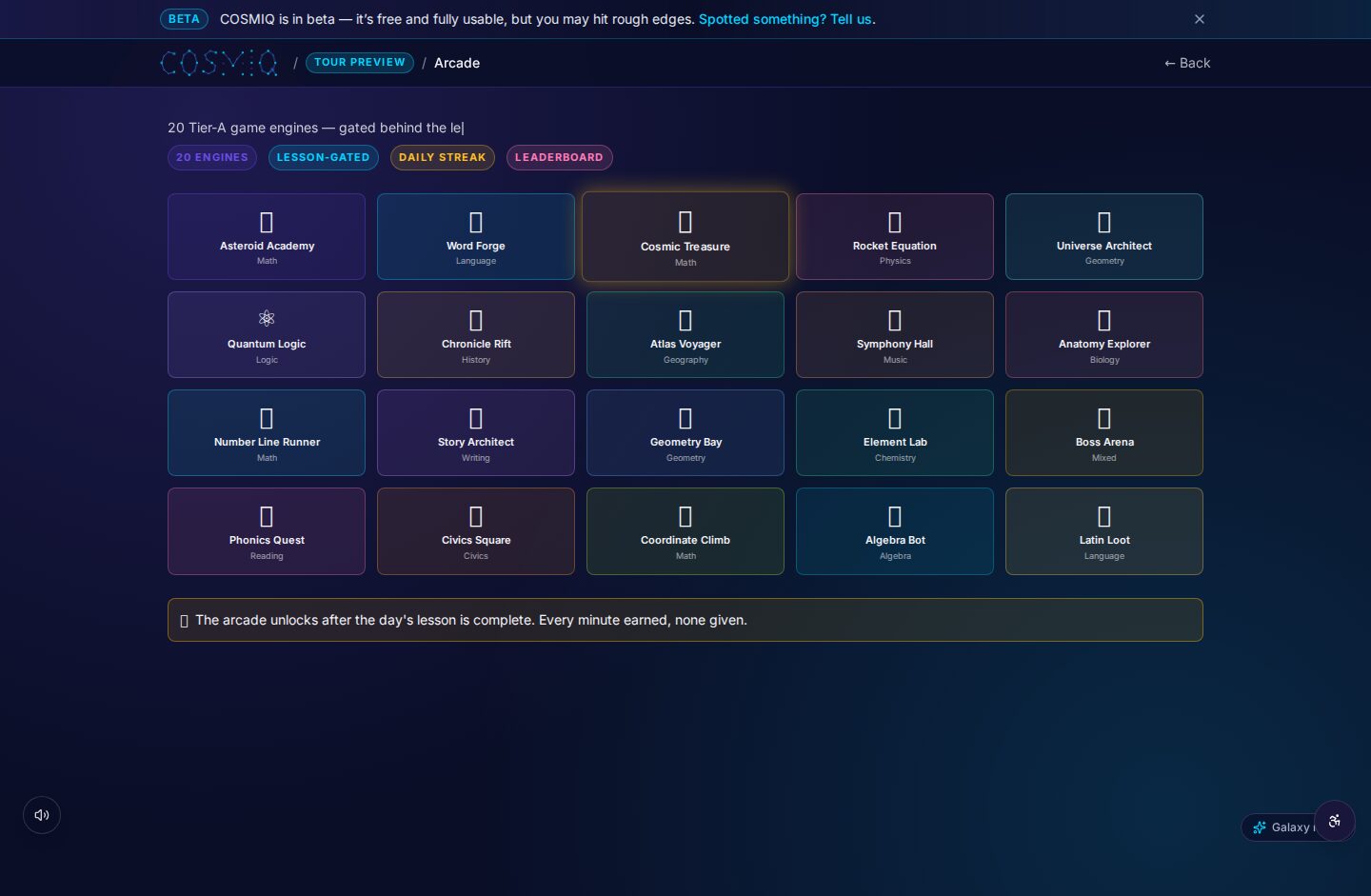
Gardner's multiple intelligences theory has found practical applications in classrooms around the world. Educators have started to develop curricula that cater to diverse intelligences, thereby fostering an inclusive learning environment. For instance, in a history class, rather than relying solely on lectures, a teacher might incorporate music and art, allowing students with musical and spatial intelligence to engage more deeply.
Consider a group project where each student can take on roles that align with their strengths. A student with strong interpersonal intelligence might lead discussions, while one with naturalistic intelligence could research environmental impacts. By acknowledging and utilizing these diverse intelligences, students can collaborate in ways that maximize their collective talents.
Moreover, technology can enhance the application of multiple intelligences in the classroom. For instance, educational apps often incorporate various modes of learning—interactive quizzes, video tutorials, and collaborative projects. This versatility allows teachers to introduce material in ways that appeal to different intelligences. An online platform might allow students to create podcasts, design infographics, or even create their own games—all while learning the same core content.
Educational Strategies for Embracing Multiple Intelligences
To effectively implement Gardner's theory in the classroom, educators can use several strategies. First, they might conduct assessments to identify students' predominant intelligences. Once identified, lessons can be designed to engage multiple intelligences simultaneously. For example, a lesson on ecosystems could include reading (linguistic), discussions (interpersonal), hands-on experiments (bodily-kinesthetic), and visual presentations (spatial).
Additionally, educators can promote metacognition—helping students reflect on their own thinking processes. This allows learners to understand not just their preferred methods but also explore new ways of learning. A student who typically relies on auditory methods might benefit from trying kinesthetic activities, broadening their learning toolkit.
Incorporating small group discussions can also foster interpersonal intelligence. When students collaborate, they learn from one another, developing their social and communication skills while reinforcing the content. Teachers might use peer teaching strategies, where students explain concepts to each other, solidifying their understanding and confidence.
The Limitations of Learning Styles in Modern Education
As we navigate the complexities of our educational systems, the limitations of learning styles are becoming increasingly apparent. While it can be comforting to categorize ourselves and others, these labels can be misleading. Many people exhibit characteristics from multiple learning styles, making it challenging to fit them neatly into one category.
Moreover, the reliance on learning styles can lead to a fixed mindset. If you identify solely as a visual learner, you may shy away from other effective methods. Education should be about exploration and adaptability. Instead of boxing ourselves in, we should encourage flexibility in learning approaches that can change depending on context and content.
Furthermore, focusing too much on learning styles can detract from the content itself. Instead of emphasizing how students learn, educators should concentrate on what they learn. Are students engaging with the material? Are they grasping the core concepts? A focus on adaptability can lead to richer educational experiences.
Integrating Both Theories for Holistic Learning
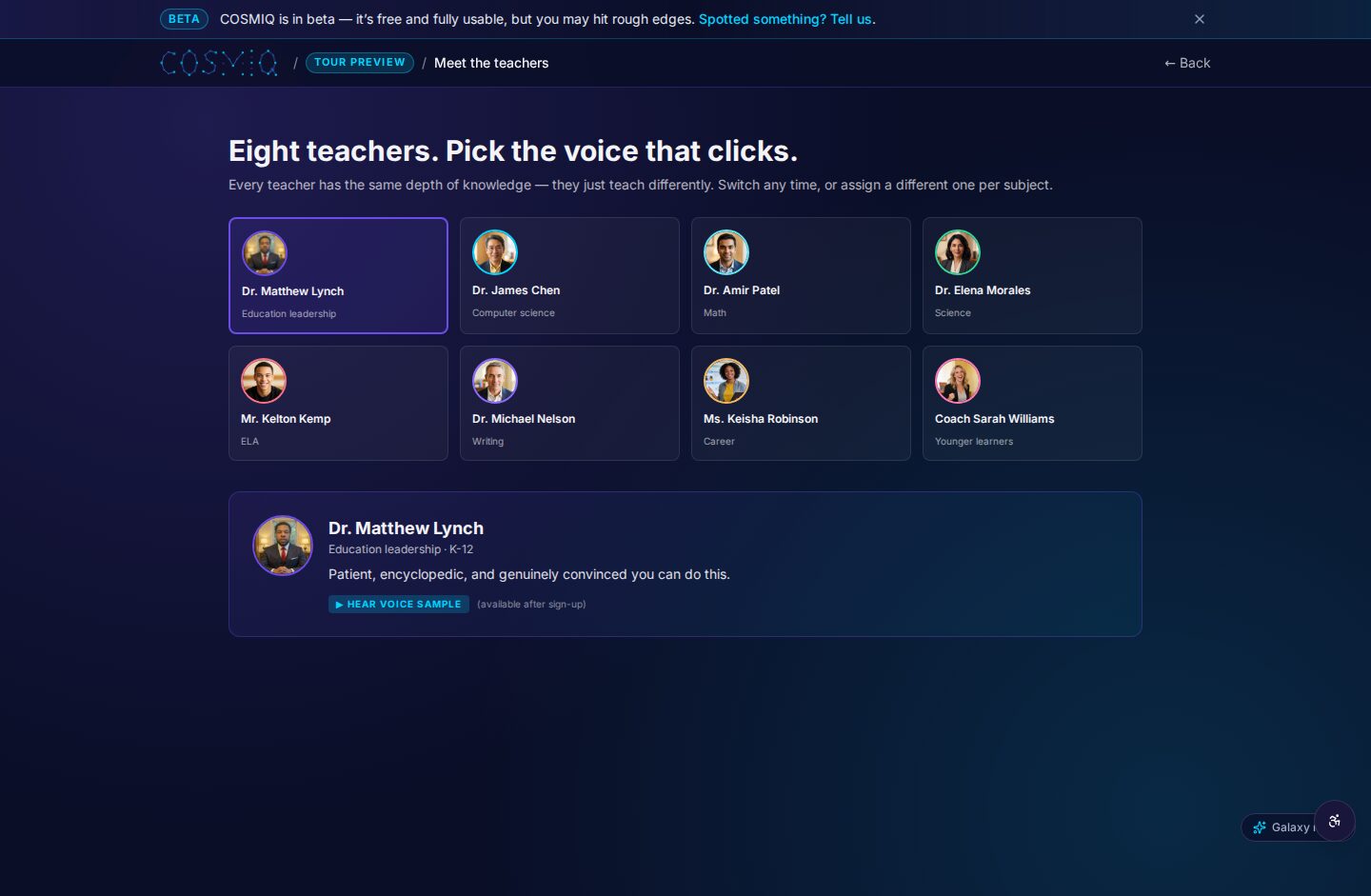
So, what’s the takeaway? While Gardner's multiple intelligences theory offers a robust framework for understanding human capability, it doesn't invalidate the notion of learning styles. Instead of pitting them against each other, educators can integrate both approaches to create more dynamic learning environments.
By understanding that students have unique intelligences and acknowledging their learning preferences, you can create a richer, more engaging educational experience. This dual approach allows for a multifaceted understanding of how to reach every student. For example, a science lesson could involve a hands-on experiment (kinesthetic), a collaborative discussion (interpersonal), and a visual representation of data (spatial), catering to multiple intelligences while also considering how students prefer to engage with the material.
Also, regular feedback is crucial. Creating a feedback loop can help educators identify what strategies resonate best with students. Surveys or informal check-ins can guide curriculum adjustments, ensuring that both multiple intelligences and learning preferences are respected and utilized.
Challenges in Implementing Multiple Intelligences in Education
While Gardner’s theory has gained traction, implementing multiple intelligences in education isn’t without its challenges. One major hurdle is the training of educators. Many teachers have been trained in traditional educational philosophies and may not feel equipped to address diverse intelligences effectively. Professional development programs focused on multiple intelligences can bridge this gap, but they require time and resources.
Another challenge lies in standardized testing. The education system often prioritizes scores and measurable outcomes, leaving little room for the exploration of multiple intelligences. This can discourage educators from experimenting with innovative teaching methods that cater to various intelligences. Advocating for a shift in assessment practices could pave the way for a more inclusive approach, allowing for creativity and individual strengths to shine.
In addition to these systemic barriers, there’s also the challenge of parental expectations. Some parents may not understand or support a varied approach to education, preferring traditional methods they are familiar with. Educators need to communicate the benefits of embracing multiple intelligences, demonstrating how this approach can enrich their child's learning experience.
Final Thoughts on Multiple Intelligences and Learning Styles
In the quest to educate effectively, understanding the nuances of multiple intelligences and learning styles is crucial. While they come from different philosophies, both frameworks can enrich the educational landscape if applied thoughtfully.
As you reflect on your own learning journey or that of the students you teach, consider how these theories intersect. Are you leveraging your multiple intelligences? Are you aware of how your preferred learning style shapes your study habits? By being mindful of these factors, you can foster an environment that champions growth, diversity, and understanding—both in yourself and in others.
Ultimately, the goal is to create an educational system that recognizes and values the complexity of human intelligence. We shouldn’t just cater to students’ preferred learning styles or their dominant intelligences; we should encourage a blend of both to prepare them for the multifaceted world they will encounter.
Related resources: the foundations of multiple intelligences · the limitations of learning styles in modern education · pedagogue.app · getcosmiq.app
Learn anything, free.
COSMIQ is a free, voice-driven AI tutor for every learner. No credit card, ever.
Start learning free →