Navigating AI in K-8 Classrooms: Insights from a Veteran Educator on NYC's Approach

The rapid evolution of artificial intelligence (AI) continues to reshape various aspects of our lives, and education is certainly no exception. Recently, New York City Public Schools announced a policy restricting student use of generative AI tools through eighth grade. This decision has ignited a crucial dialogue among educators, parents, and students about how best to integrate – or limit – advanced technology in the crucial K-8 learning years. To shed light on this complex issue, we turn to the insights of Larry Bohannon, a veteran K-12 educator with over three decades of experience as a teacher, principal, and assistant superintendent.
Bohannon's extensive background offers a valuable perspective on the pedagogical implications of AI in early education. His insights help us understand the rationale behind such policies and explore how schools can effectively prepare students for an AI-driven world while ensuring they develop essential foundational skills.
The Rationale Behind Restricting Generative AI in K-8
According to insights shared, the primary concern behind restricting generative AI in younger grades often revolves around the development of foundational skills. For students in kindergarten through eighth grade, these years are critical for building strong proficiencies in reading, writing, and critical thinking. If AI tools are readily available for tasks like essay writing or problem-solving, there's a risk that students might rely on the technology rather than engaging in the cognitive processes necessary to master these fundamental abilities.
Bohannon's perspective, reflecting decades in the classroom and administration, suggests that the goal isn't to demonize AI but to ensure that students acquire the building blocks of learning independently. For instance, learning to structure an argument, craft a coherent paragraph, or analyze a text requires active mental engagement. If an AI generates the content, the student might miss out on the valuable struggle and discovery inherent in the learning process itself. This period is also crucial for developing problem-solving strategies and analytical thinking, skills that are honed through direct engagement with challenges, not by offloading them entirely to a machine.
Where Technology Can Still Thrive in the K-8 Classroom
While generative AI might be restricted for certain tasks, it doesn't mean technology itself has no place in the K-8 classroom. On the contrary, Bohannon suggests there are many productive roles for technology that can enhance learning without undermining foundational skill development. Interactive educational software, digital research tools, virtual field trips, and adaptive learning platforms can all offer engaging and personalized learning experiences.
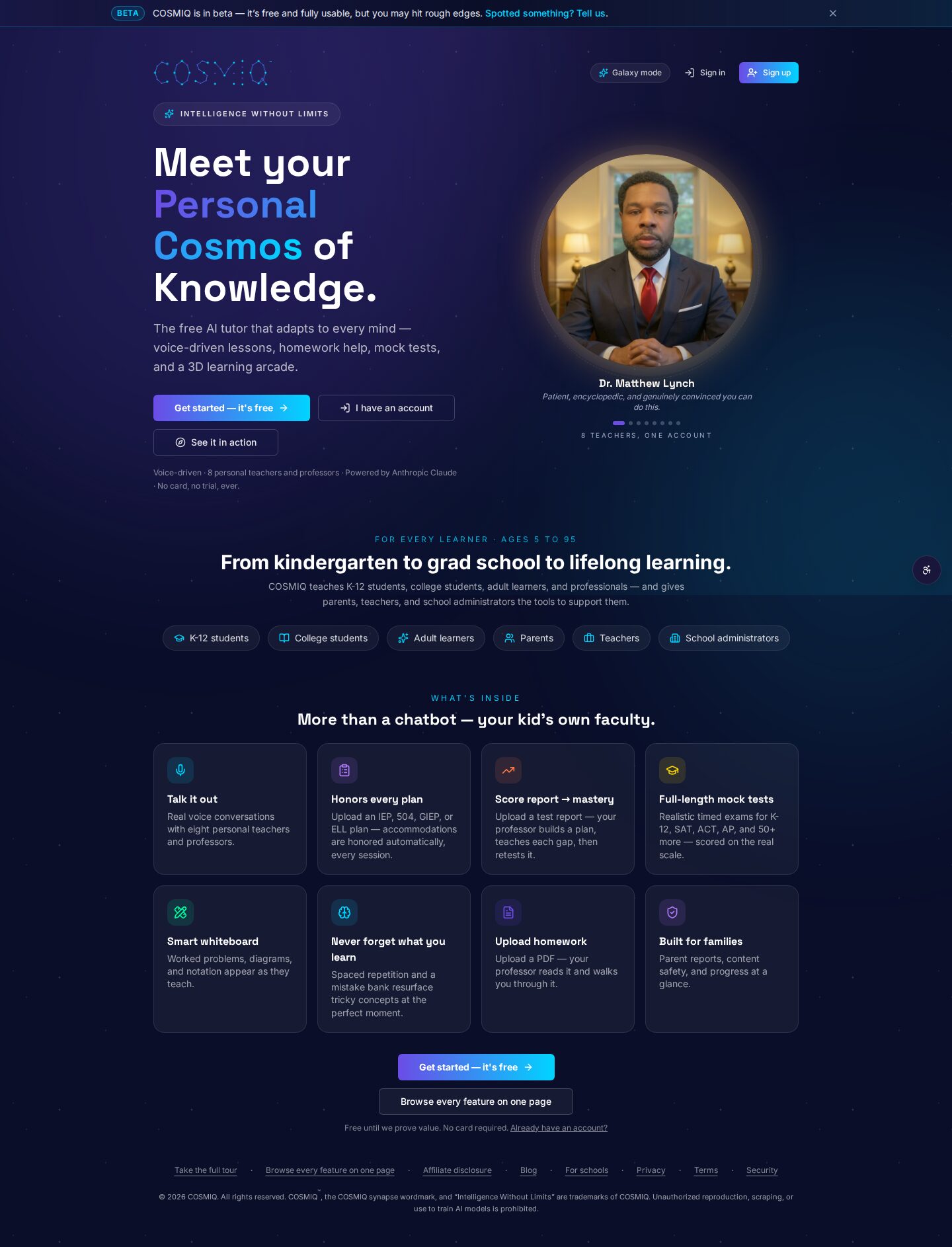
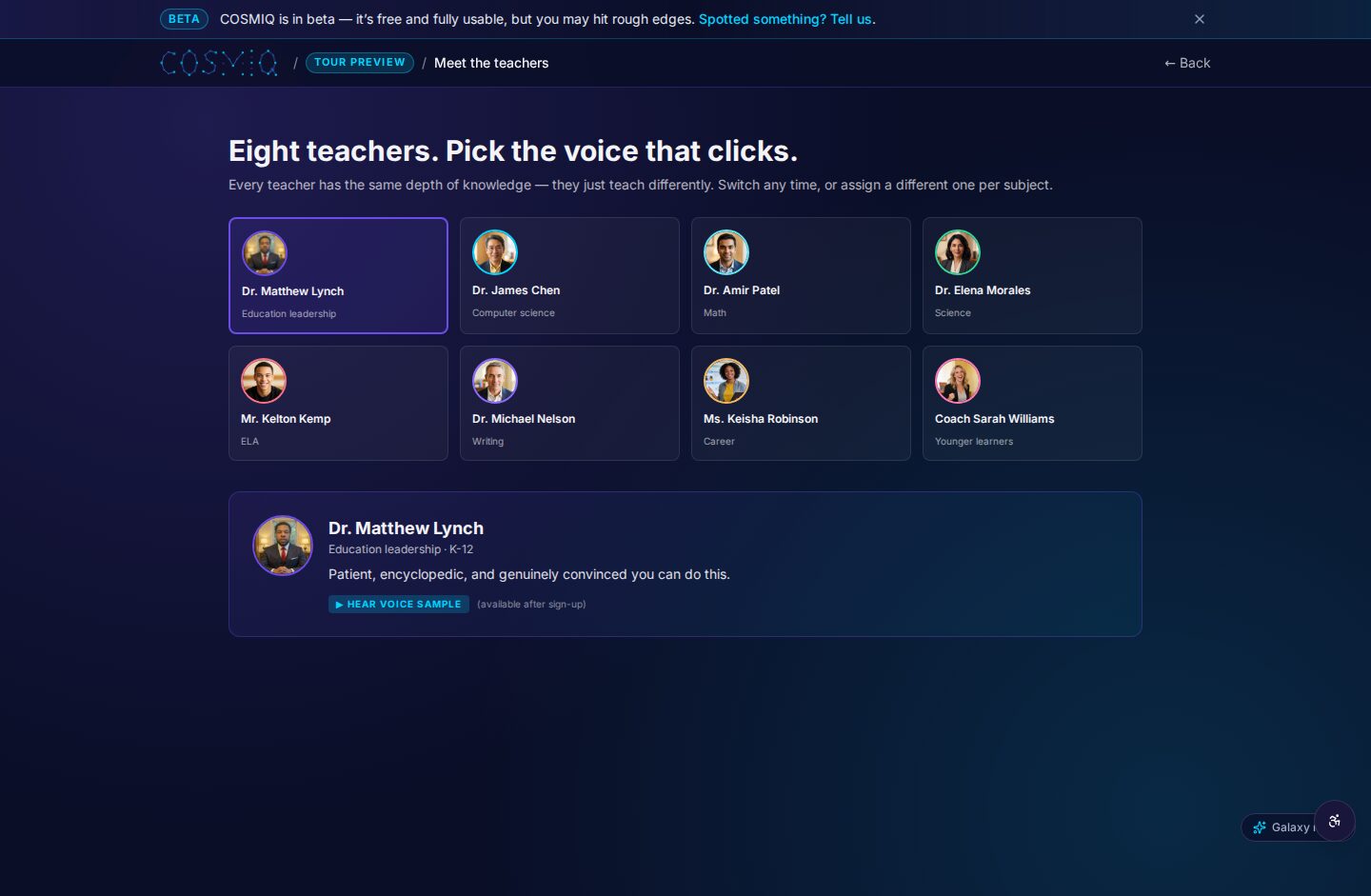
For example, tools that provide immediate feedback on math problems, offer interactive science simulations, or help students organize their thoughts for a writing assignment can be incredibly beneficial. The key, according to this perspective, is to use technology as a supplement and a tool for exploration, rather than a substitute for the student's own intellectual effort. Technology can facilitate access to information and different ways of learning, making education more accessible and engaging. For students seeking additional, personalized support, COSMIQ offers free voice-driven AI tutoring, providing help with homework, understanding concepts, and practicing skills without doing the work for them.
Preparing Students for an AI-Driven World Responsibly
The challenge for educators is how to prepare students for a future where AI will undoubtedly play a significant role, without allowing the technology to do the thinking for them during their formative years. Bohannon emphasizes that this involves teaching students about AI – its capabilities, limitations, and ethical considerations – even if they aren't using generative AI tools for every assignment.
This preparation includes fostering digital literacy, critical evaluation of information (especially AI-generated content), and understanding the principles behind how AI works. Discussion about data privacy, bias in algorithms, and the responsible use of AI can begin at age-appropriate levels. Teachers can introduce concepts of AI through projects that involve logical thinking, pattern recognition, and basic coding, which are foundational to understanding AI.
Furthermore, schools can focus on developing higher-order thinking skills that AI cannot easily replicate: creativity, nuanced problem-solving, emotional intelligence, and interpersonal communication. These are the skills that will empower students to work alongside AI, leveraging its power as a tool while maintaining their unique human capabilities.
Conclusion: A Balanced Approach to AI in Education
New York City's policy, as illuminated by educators like Larry Bohannon, reflects a cautious yet forward-thinking approach to integrating AI into early education. It underscores the importance of safeguarding the development of foundational skills in K-8 while acknowledging the inevitable presence of AI in students' futures. By carefully curating how and when AI tools are introduced, and by focusing on teaching students how to think rather than simply providing answers, schools can navigate this new technological landscape effectively.
The conversation around AI in education is ongoing, and as technologies evolve, so too will our understanding of their best use in the classroom. The goal remains to empower students with the knowledge and skills they need to thrive, both now and in an increasingly AI-integrated world. For further academic support across various subjects and grades, students and parents can explore COSMIQ's free practice hub, designed to help reinforce learning and build confidence.
Learn anything, free.
COSMIQ is a free, voice-driven AI tutor for every learner. No credit card, ever.
Start learning free →