Navigating AI in Schools: A Human-First Approach for New York Educators and Families

The integration of Artificial Intelligence (AI) into our daily lives is undeniable, and its presence in education is rapidly expanding. For many, the idea of AI in schools brings a mix of excitement and apprehension. How do we harness its potential without losing sight of what truly matters: our students' holistic development and the invaluable role of human connection in learning? In New York, educational leaders are embracing a thoughtful, human-first approach to answer these very questions, ensuring that AI serves as a tool to enhance, not replace, the essential human elements of education.
What Does a Human-First AI Approach Mean for Schools?
A human-first approach to AI in education prioritizes ethical considerations, student well-being, and the empowerment of educators above all else. It's about consciously designing and implementing AI tools in ways that support learning, creativity, and critical thinking, while safeguarding against potential pitfalls like algorithmic bias, over-reliance, and data privacy concerns. This philosophy recognizes that technology, including AI, is a means to an end – and that end is always the growth and success of the human learner.
Prioritizing Ethical Use and Equity
- Fairness and Bias: Educators are encouraged to understand how AI algorithms work and to critically evaluate tools for potential biases that could disproportionately affect certain student populations. The goal is to ensure AI promotes equity, not exacerbates existing disparities.
- Transparency: Students, parents, and teachers should understand how AI tools are being used, what data they collect, and how they make recommendations. Transparency builds trust and allows for informed decisions.
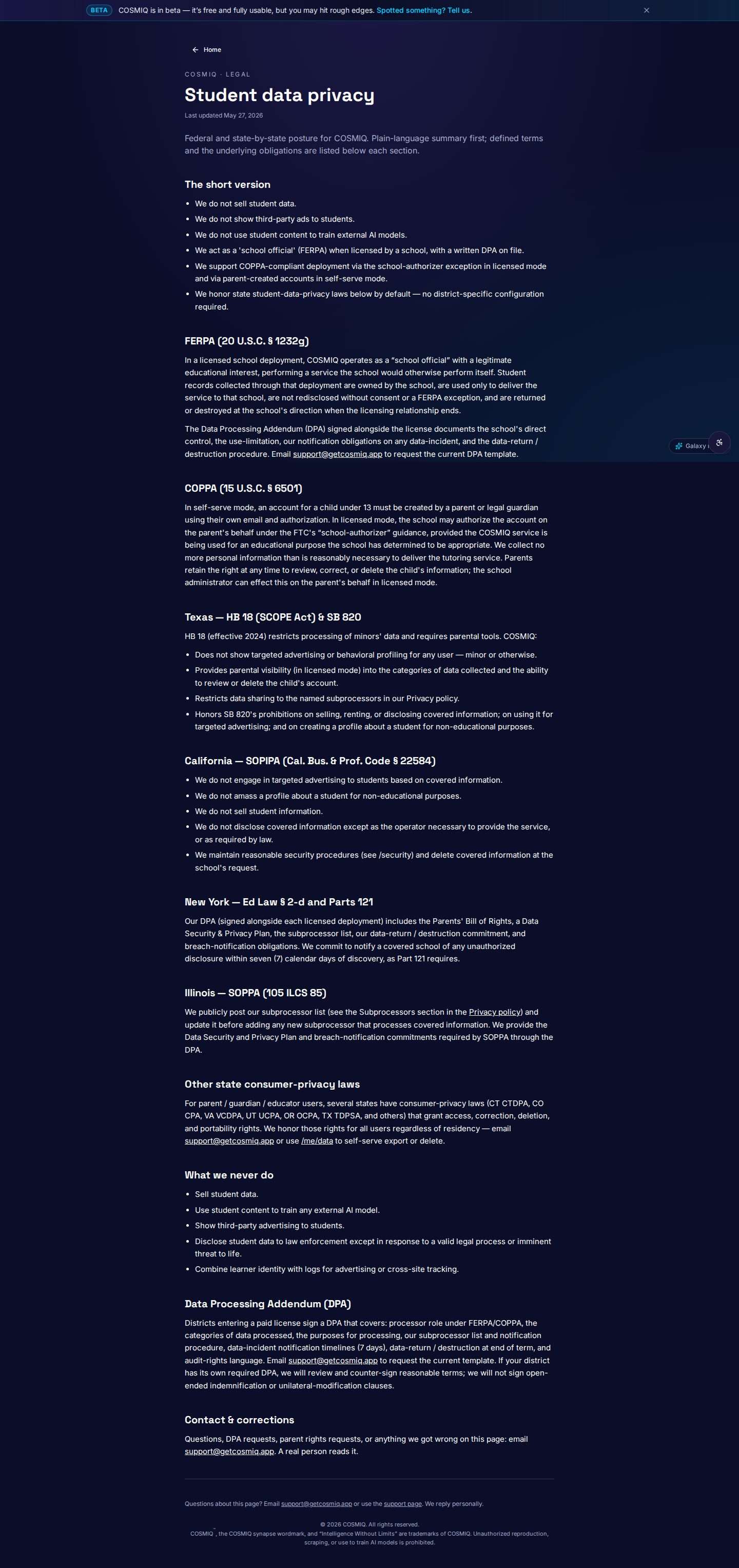
- Student Data Privacy: Protecting student data is paramount. Schools adopting a human-first approach meticulously vet AI tools to ensure they comply with stringent privacy regulations and do not compromise sensitive student information.
Fostering Student Well-being and Skill Development
Rather than seeing AI as a shortcut, a human-first strategy leverages AI to cultivate deeper learning and essential 21st-century skills. This includes:
- Personalized Learning Support: AI can adapt to individual student paces and learning styles, offering tailored practice and feedback. However, this is always balanced with human teacher interaction and support.
- Enhancing Creativity and Problem-Solving: AI can free up time for more creative projects, complex problem-solving, and collaborative activities that require uniquely human skills. For example, AI might handle routine tasks, allowing students to focus on innovative design or critical analysis.
- Digital Literacy and Citizenship: Teaching students how to interact with AI responsibly, critically evaluate AI-generated content, and understand its societal impact becomes a core part of the curriculum.
Empowering Educators, Not Replacing Them
The human-first perspective firmly believes that AI is a powerful assistant for teachers, not a replacement. Educators are at the heart of the learning experience, providing empathy, mentorship, and nuanced understanding that AI cannot replicate. AI tools can:
- Automate Administrative Tasks: Grading routine assignments, generating reports, or scheduling can be streamlined, giving teachers more time for direct student interaction and lesson planning.
- Provide Data Insights: AI can help teachers identify learning patterns, areas where students might be struggling, or opportunities for advanced engagement, allowing for more targeted interventions.
- Support Professional Development: AI can offer resources and insights to help teachers refine their pedagogical approaches and integrate new technologies effectively.
What This Means for New York Families and Learners
For parents, this approach signifies a commitment from New York schools to thoughtfully integrate technology while prioritizing their child's safety, privacy, and comprehensive development. It means open communication about AI tools used in classrooms and opportunities to understand their benefits and limitations.
For students, it means experiencing AI as a supportive tool that enhances their learning journey, encourages critical thinking, and prepares them for a future where AI will be a constant presence. They will learn to be discerning users and ethical creators of technology.
For teachers, it offers a framework for professional growth, empowering them to leverage cutting-edge tools to enrich their teaching practices and foster deeper connections with their students.
Looking Ahead: A Balanced Future with AI
New York superintendents' commitment to a human-first AI strategy sets a promising precedent. It acknowledges the transformative potential of AI while steadfastly upholding the irreplaceable value of human educators, ethical principles, and student well-being. As AI continues to evolve, this balanced approach will be crucial in ensuring that technology truly serves humanity in our schools, preparing the next generation not just for a technological world, but for a thoughtful, ethical, and human one.
Learn anything, free.
COSMIQ is a free, voice-driven AI tutor for every learner. No credit card, ever.
Start learning free →