Navigating AI in Schools: Addressing Community Concerns Thoughtfully

The rapid integration of artificial intelligence and new technologies into our daily lives naturally extends to our schools. While the potential benefits for learning are exciting, a recent survey indicates that many voters harbor significant concerns about this shift. Understanding and addressing these anxieties is crucial for educators, parents, and community members to ensure that technology serves our students effectively and ethically. At COSMIQ, we believe in a balanced approach that leverages AI's power while prioritizing student well-being and community trust.
Understanding Community Concerns About AI in Schools
The survey findings reflect a broad spectrum of worries, which often revolve around several key areas:
- Data Privacy and Security: Parents and voters are understandably concerned about how student data is collected, stored, and used by AI systems. Questions about who has access to this information and how it's protected from breaches are paramount.
- Equity and Access: There's a fear that advanced AI tools might exacerbate existing inequalities, with some students having greater access or more effective support than others. Ensuring equitable access and training for all students and educators is a common concern.
- Impact on Human Interaction and Social Skills: Many worry that an over-reliance on AI could diminish the crucial role of human teachers and peer interaction, potentially affecting students' social-emotional development.
- Accuracy and Bias in AI: The potential for AI algorithms to be biased or to provide inaccurate information is another significant concern. Ensuring that AI tools are fair, transparent, and reliable is essential.
- Job Displacement for Educators: Some community members express concern that AI might eventually replace human teachers, rather than augment their capabilities.
These concerns are valid and highlight the need for thoughtful implementation and open dialogue.
Fostering Trust Through Transparency and Collaboration
Addressing community concerns begins with transparency and active collaboration. Schools can take several proactive steps:
- Open Communication Channels: Establish clear and consistent communication with parents, guardians, and the wider community. Regularly share information about the AI tools being used, their purpose, and how student data is protected.
- Parent and Teacher Education: Offer workshops and informational sessions to help parents and teachers understand how AI works, its benefits, and its limitations. Demystifying AI can alleviate many fears.
- Involve Stakeholders in Decision-Making: Create committees or forums where parents, teachers, students, and community leaders can provide input on AI policies and technology adoption. This fosters a sense of ownership and trust.
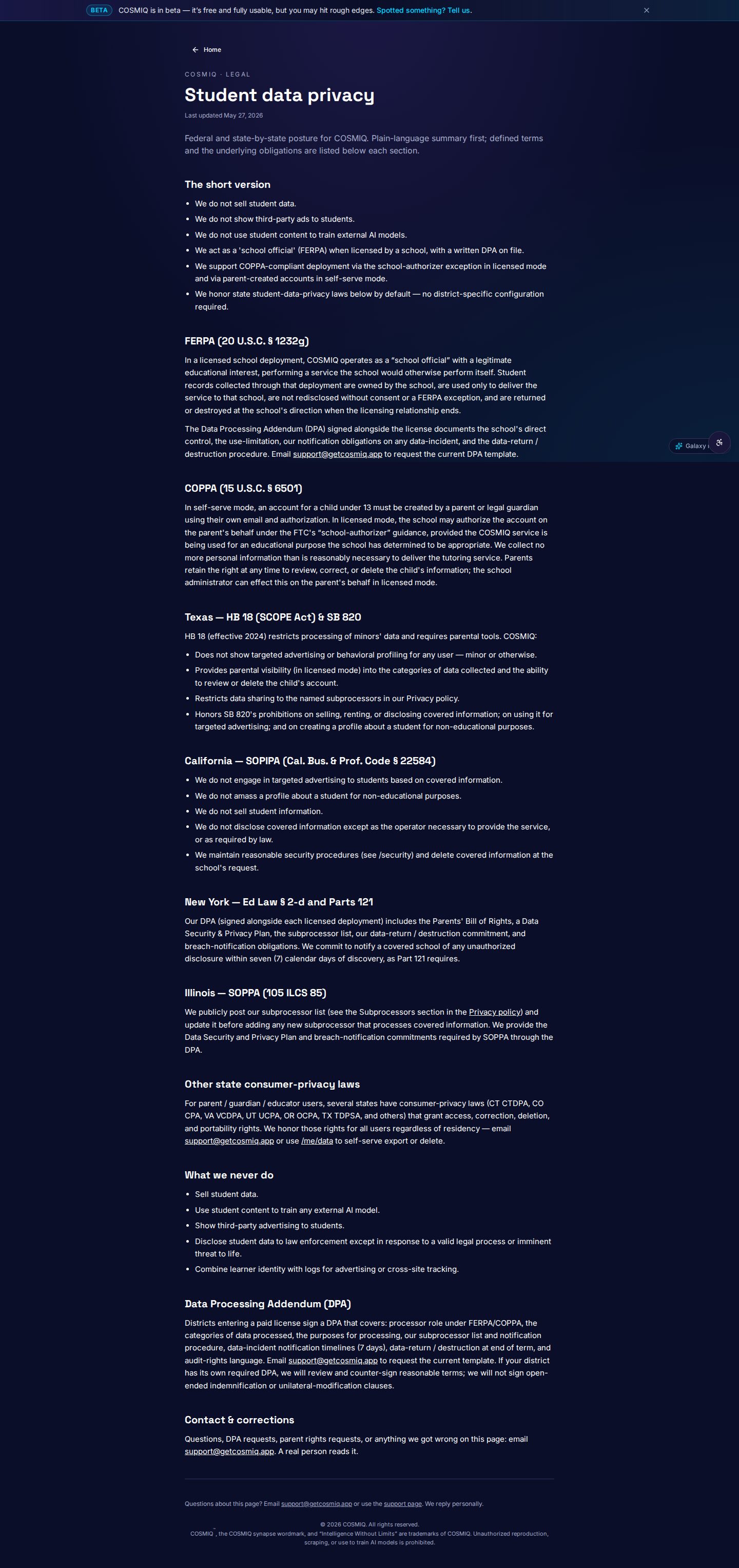
- Clear Data Privacy Policies: Develop and clearly communicate robust data privacy policies that comply with all relevant regulations. Schools should specify what data is collected, why, how it's used, and who has access to it.
Implementing AI Responsibly in the Classroom
Beyond communication, responsible implementation is key:
- Focus on Augmentation, Not Replacement: Emphasize that AI tools are designed to support and enhance the work of educators, not replace them. AI can personalize learning, automate administrative tasks, and provide immediate feedback, freeing up teachers to focus on higher-level instruction and student connection.
- Curriculum Integration and Digital Literacy: Integrate lessons on digital citizenship, critical thinking about AI, and understanding AI's ethical implications into the curriculum. Empower students to be informed and responsible users of technology.
- Pilot Programs and Gradual Adoption: Consider starting with pilot programs for new AI tools, allowing for evaluation, feedback, and adjustments before widespread implementation.
- Teacher Training and Professional Development: Provide comprehensive training for educators on how to effectively and ethically use AI tools in their classrooms. Teachers need to feel confident and competent in leveraging these technologies.
- Regular Review and Evaluation: Continuously monitor the effectiveness and impact of AI tools on student learning and well-being. Be prepared to adapt or discontinue tools that are not meeting educational goals or are raising new concerns.
The integration of AI into schools is an ongoing journey. By proactively addressing community concerns with transparency, fostering open dialogue, and implementing technology responsibly, schools can build a foundation of trust. This approach ensures that AI serves as a powerful tool to enhance learning and prepare students for a future where technology and human ingenuity work hand-in-hand.
Learn anything, free.
COSMIQ is a free, voice-driven AI tutor for every learner. No credit card, ever.
Start learning free →