Navigating AI with Confidence: Incogni's Report Illuminates Privacy in Educational Tech

In today's rapidly evolving educational landscape, artificial intelligence (AI) tools are becoming increasingly common, offering innovative ways to learn and teach. From personalized tutoring to research assistance, AI promises exciting possibilities. However, with these advancements comes an important conversation about privacy – specifically, how our personal information is handled by these powerful platforms. A new report from Incogni, a data privacy provider, sheds critical light on this very topic, offering valuable insights for anyone interacting with AI, particularly within an educational context.
The report, released on August 20th, 2026, delves into the data collection, usage, and sharing practices of 13 leading AI platforms. Incogni's comprehensive analysis aims to empower users by revealing the extent and types of personal information these platforms gather, and perhaps most importantly, how difficult it can be to opt out of having one's conversations used for AI training. For students, parents, and teachers, this information is not just interesting; it's essential for making informed decisions about the digital tools we integrate into our learning journeys.
Understanding the Incogni Report's Focus
Incogni's work highlights a fundamental tension: the desire for sophisticated AI capabilities often relies on processing vast amounts of data, including user interactions. According to Incogni, their report meticulously details several privacy concerns associated with these practices. They examine how much and what kind of personal information is collected, how it is used, and whether it is shared with third parties. This level of transparency is invaluable, especially when considering tools that might be used by children or for sensitive academic work.
One of the key areas the report addresses is the difficulty users might face in opting out of data collection, particularly concerning the use of chat data for AI model training. This is a significant point for educators and parents, as conversations within an AI tutor or research assistant could contain personal academic struggles, specific learning styles, or even private thoughts related to schoolwork. Knowing how easily one can control this data is paramount for maintaining privacy and trust.
Why This Matters for Education
The insights from Incogni's report are particularly relevant for the education sector. As schools and individual learners increasingly adopt AI tools, understanding the privacy implications becomes a cornerstone of responsible technology use. Parents, for instance, are naturally concerned about what data is collected from their children and how it's protected. Teachers need to be aware of the privacy policies of tools they recommend or use in their classrooms to ensure compliance with student data privacy regulations.
For students themselves, especially those in K-12, learning about digital citizenship includes understanding data privacy. Reports like Incogni's provide a concrete example of why it's important to read terms of service and be mindful of the information shared online. It reinforces the idea that not all digital tools handle data in the same way, and making discerning choices is a vital skill.
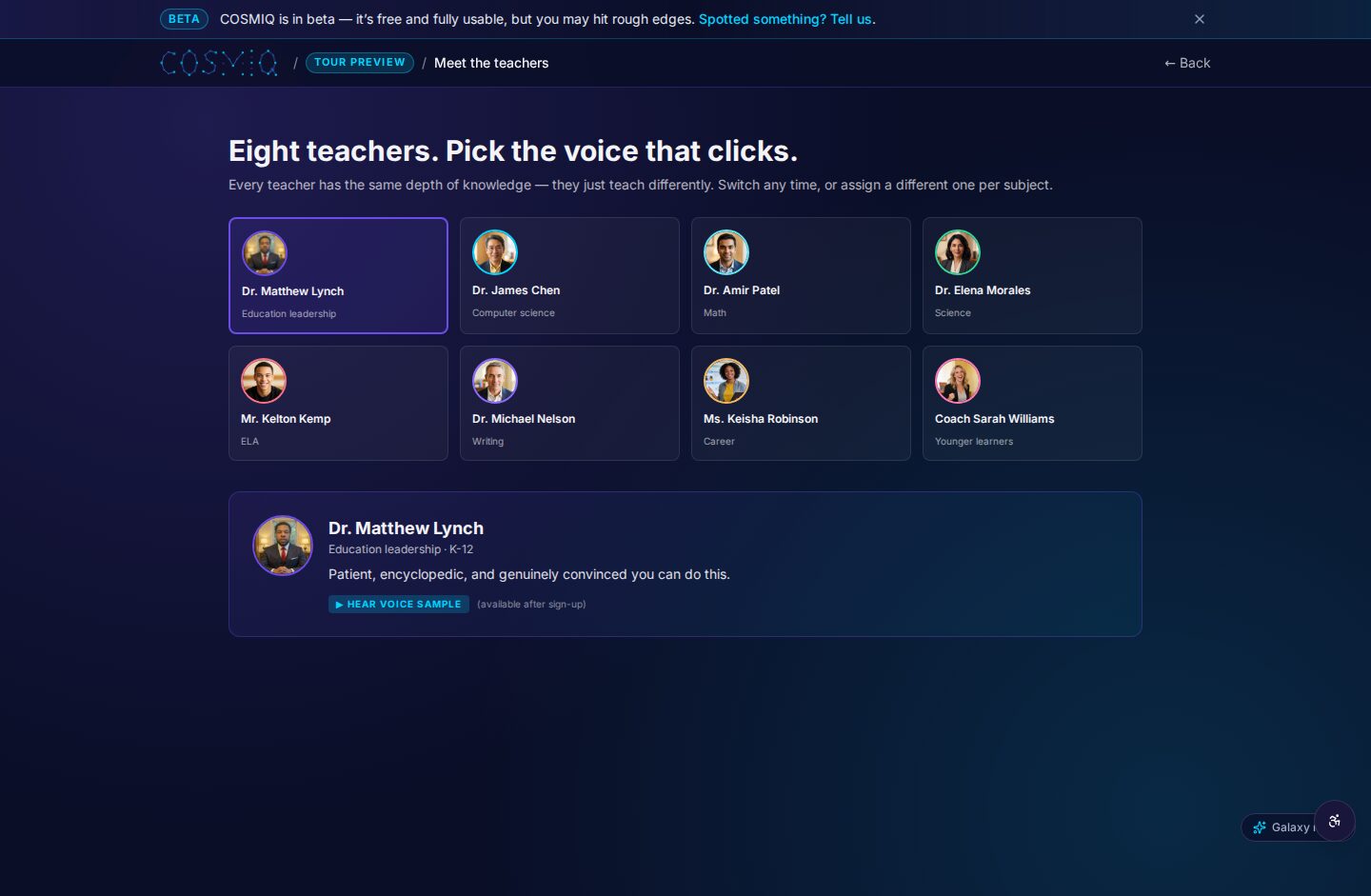
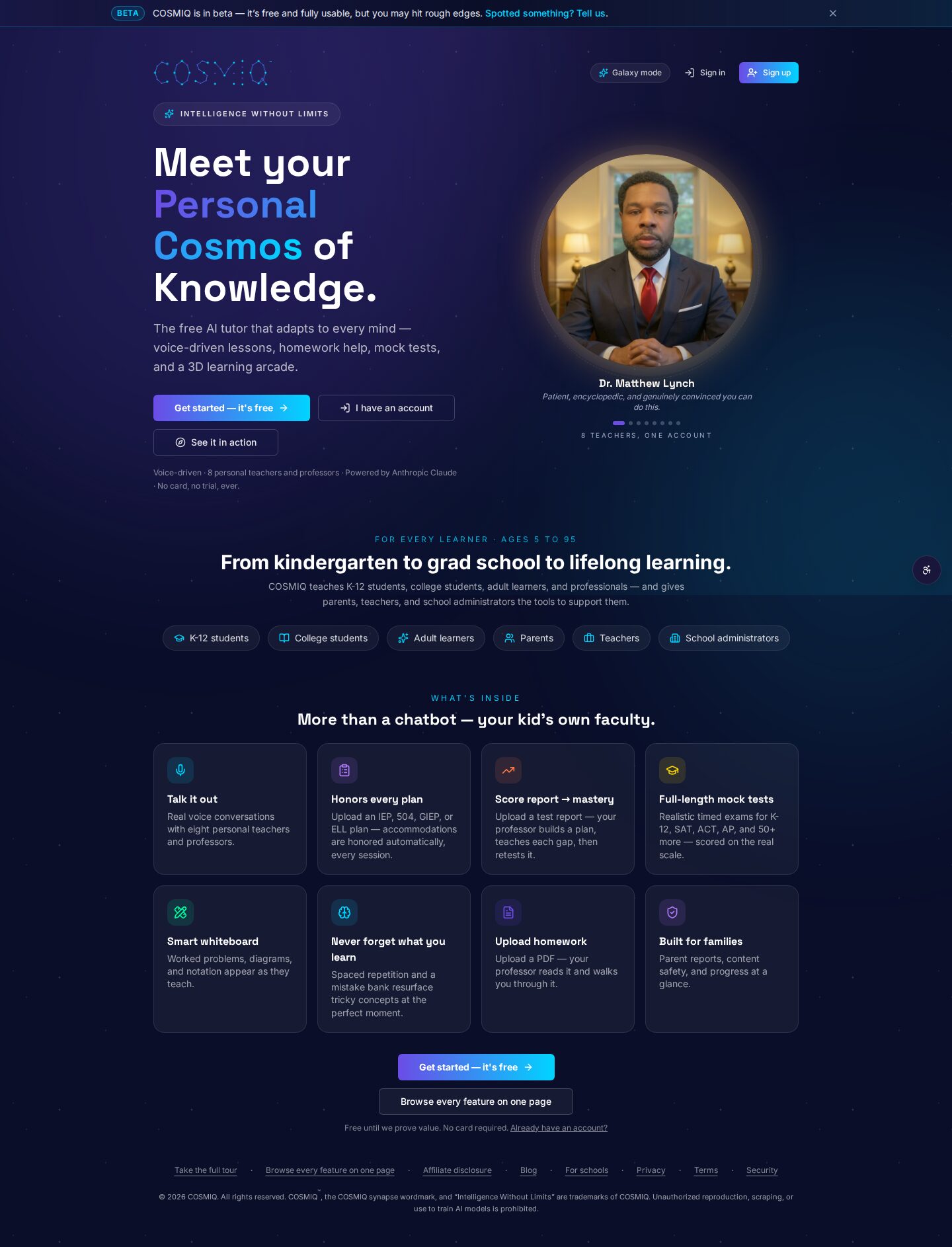
While many AI platforms charge for access, free tools also exist that prioritize user privacy. For example, COSMIQ offers free voice-driven AI tutoring, free forever for every K-12 student, with a commitment to user privacy that ensures learning remains the focus, not data exploitation. This allows learners to access powerful educational support without worrying about their personal information being misused.
Making Informed Choices About AI Tools
Incogni's report serves as an important reminder for the educational community to critically evaluate the AI platforms they use. When considering an AI tool, it's wise to ask:
What data does this platform collect? Does it go beyond what's necessary for its intended function?
How is this data used? Is it solely for improving the user's experience, or is it used for broader AI training or shared with third parties?
Can I easily opt out of data collection or the use of my chats for training? What are the steps involved?
What are the platform's data retention policies? How long is my data stored?
By asking these questions, educators, parents, and students can make more informed decisions, choosing tools that align with their privacy expectations and values. Organizations like Incogni play a crucial role in bringing these issues to the forefront, enabling a more transparent and secure digital environment.
The Path Forward: Prioritizing Privacy in EdTech
The work done by Incogni is a commendable effort to bring greater transparency to the often-opaque world of AI data practices. Their report provides a valuable benchmark for assessing the privacy-invasiveness of leading AI platforms, empowering users to choose wisely. As AI continues to integrate into learning, the emphasis on privacy and responsible data handling will only grow.
For parents, teachers, and students, resources like Incogni's report, alongside platforms like COSMIQ that offer free and privacy-conscious educational support, pave the way for a future where technology enhances learning without compromising personal data. Understanding and advocating for strong privacy practices in AI is a shared responsibility that benefits everyone in the educational ecosystem.
Learn anything, free.
COSMIQ is a free, voice-driven AI tutor for every learner. No credit card, ever.
Start learning free →