Navigating Change: What the University of Houston's Core Course Adjustments Mean for Students

The University of Houston recently announced a significant restructuring of its core curriculum, with plans to reduce the number of core courses by approximately 40%. This decision, aimed at streamlining degree paths and enhancing academic focus, naturally raises questions and concerns for students, parents, and educators alike. Understanding the rationale behind these changes and their potential impact is crucial for navigating the academic journey ahead. This article will explore what these adjustments mean for various stakeholders and offer practical strategies for adapting effectively.
Understanding the Core Curriculum Changes
A university's core curriculum, often referred to as general education requirements, forms the foundational academic experience for all undergraduates. These courses are designed to broaden students' intellectual horizons, develop critical thinking skills, and ensure a well-rounded education regardless of their major. The University of Houston's decision to reduce its core offerings by 40% signifies a shift in how it plans to achieve these educational goals.
- Streamlined Pathways: One primary goal of such changes is often to create more direct and efficient pathways to degree completion. By reducing the number of required core courses, students might have more flexibility to pursue electives within their major or explore minors, potentially reducing time to graduation.
- Enhanced Major Focus: The adjustments could allow departments to integrate foundational knowledge more directly into major-specific courses, ensuring that core competencies are reinforced within the context of a student's chosen field.
- Resource Allocation: Universities often make such decisions to optimize resource allocation, ensuring that faculty expertise and classroom space are utilized most effectively.
It's important to note that a reduction in the number of courses does not necessarily equate to a reduction in educational quality. Often, it reflects a re-evaluation of how core competencies can be delivered most effectively and efficiently within a modern university setting.
Impact on Current Students: What You Need to Do
For students currently enrolled at the University of Houston, these changes are perhaps the most immediate concern. While universities typically implement 'grandfathering' clauses for students already on a particular degree plan, it's essential to be proactive.

- Consult Your Academic Advisor Immediately: This is the single most important step. Your advisor can clarify how the new curriculum applies to your specific degree plan, whether you are grandfathered into the old requirements, or if you need to adjust your course selections. They can help you understand which courses, if any, have been re-designated or removed.
- Review Your Degree Plan: Access your official degree audit or major checklist through the university's student portal. Compare it with any updated information provided by your department or the university registrar's office.
- Understand Course Equivalencies: If certain core courses are being cut, there might be new or existing courses that fulfill the same requirements. Your advisor can help you identify these equivalencies.
- Plan for Future Semesters: Work with your advisor to map out your remaining semesters, ensuring you meet all graduation requirements under the applicable curriculum.
Do not rely on rumors or information from peers. Always seek official guidance from your academic department and advising center.
Implications for Prospective Students and Transfer Students
Future Cougars and those considering transferring to the University of Houston will encounter the new core curriculum directly. This presents both challenges and opportunities.
- New Degree Planning: Prospective students should familiarize themselves with the updated core requirements when planning their high school coursework or community college transfers. The university's admissions and advising websites will be critical resources.
- Transfer Credit Evaluation: Transfer students should pay close attention to how their previously earned credits will articulate with the new core. It's vital to work closely with UH's transfer advising services to ensure a smooth transition and maximize credit transfer.
- Research Specific Programs: While the core curriculum is university-wide, specific majors may have their own foundational course requirements that interact with the core differently. Research your intended major's requirements thoroughly.
For prospective students, these changes could mean a more focused and potentially faster path to a degree, aligning general education more closely with their chosen field of study from the outset.
The Role of COSMIQ in Adapting to Academic Changes
In times of academic transition, resources like COSMIQ can be invaluable for students navigating new course structures and requirements. As a voice-driven AI tutoring platform, COSMIQ can help students master the content of their new or revised core courses.
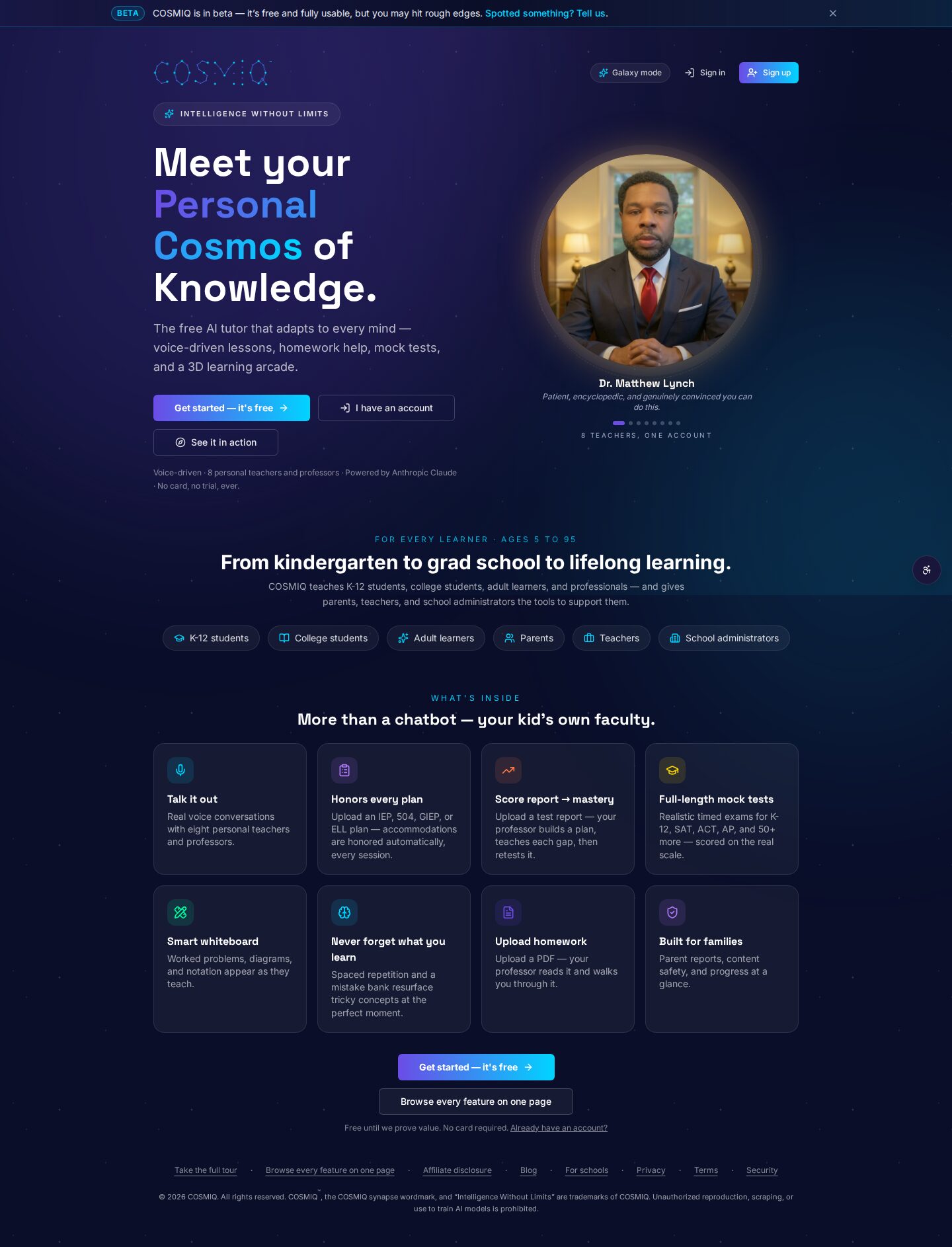
- Personalized Learning Support: Whether you're taking a new core course or needing to strengthen your understanding of a re-emphasized concept, COSMIQ can provide on-demand, personalized tutoring.
- Concept Reinforcement: With potentially fewer core courses, the remaining ones might cover broader material or delve deeper. COSMIQ can help reinforce complex concepts and prepare for exams.
- Study Aid for New Curricula: As new course outlines emerge, COSMIQ can assist students in understanding new material and adapting their study strategies.
Platforms like COSMIQ aim to be a consistent academic support system, helping students build confidence and achieve success regardless of curriculum adjustments.
Conclusion
The University of Houston's decision to reduce its core courses represents an evolving approach to higher education. While changes can initially feel daunting, they often bring opportunities for innovation and efficiency. For all students, the key to a smooth transition lies in proactive engagement with academic advisors, thorough review of official university communications, and leveraging available resources. By staying informed and strategic, students can successfully navigate these adjustments and continue their path toward academic achievement at the University of Houston.
Learn anything, free.
COSMIQ is a free, voice-driven AI tutor for every learner. No credit card, ever.
Start learning free →