Navigating Online Worlds: Parents' Concerns in Gaming and How to Help

In an increasingly digital world, online gaming has become a significant part of many children's lives, offering entertainment, social connection, and opportunities for skill development. However, with these benefits come important considerations about safety. A recent study by HostingAdvice.com sheds light on the significant concerns parents have regarding their children's experiences in online gaming environments, providing valuable insights for families and educators alike.
The study, which surveyed over 1,000 U.S. parents, reveals a clear sentiment: a vast majority are worried about their children's safety while playing online. According to HostingAdvice.com, 81% of parents expressed concern, with a notable 46% stating they are very concerned. These findings underscore the need for ongoing conversations and proactive strategies to ensure children can navigate online spaces safely.
Key Parental Concerns in Online Gaming
HostingAdvice.com's research identified several specific issues that parents reported their children encountering in online gaming. These concerns highlight the multifaceted nature of online safety and the various risks children can face:
- Bullying and Harassment: Nearly a quarter of parents (23%) reported that their child had experienced bullying or harassment while gaming online. This can range from taunts and exclusion to more aggressive forms of cyberbullying.
- Requests for Personal Information: A significant 22% of parents indicated their child had received requests for personal information. This is a critical area of concern, as sharing personal data can lead to serious privacy risks.
- Contact from Strangers: Similarly, 21% of parents reported that their child had been contacted by an adult or stranger. This type of unsolicited contact can be particularly unsettling and potentially dangerous.
- Scams and Inappropriate Content: The study also found that 17% of parents reported their child encountering a scam or attempted scam, and another 17% reported exposure to inappropriate or sexual content. These incidents highlight the presence of harmful elements that children might inadvertently stumble upon.
It's worth noting that Roblox was identified by the study as the most commonly reported online game played by the children of the surveyed respondents, indicating that these concerns are particularly relevant to platforms popular with younger audiences.
Parental Responses and a Noteworthy Disconnect
In response to these concerns, parents are actively implementing safeguards. According to HostingAdvice.com, among those surveyed about safety measures, 44% would enable parental controls, 38% would restrict chat, messaging, or friend requests, and 31% would review privacy settings. These actions demonstrate parents' proactive efforts to create a safer online environment for their children.
However, the study also uncovered an interesting paradox. HostingAdvice.com reports that 83.5% of parents are confident their child would tell them about an unsafe or uncomfortable online interaction. This high level of trust exists despite the same parents reporting that their children have experienced potentially harmful situations. This disconnect suggests that while parents trust their children, the actual reporting of incidents might be more complex than anticipated. Children might hesitate to report for various reasons, including fear of losing gaming privileges, embarrassment, or not fully understanding the gravity of an interaction.
What Parents, Teachers, and Students Can Do
Understanding these findings is the first step. For parents, establishing open communication with children about their online activities is paramount. Encourage them to talk about their games, who they play with, and any uncomfortable interactions they encounter. Regularly reviewing and adjusting privacy settings and parental controls on gaming platforms and devices is also crucial. Many platforms offer robust tools that can limit chat, friend requests, and even screen time.
For educators, these findings underscore the importance of digital citizenship education. Teaching students about online safety, identifying red flags, understanding privacy, and knowing when and how to report issues are vital life skills. Resources that help explain these concepts in an age-appropriate manner can be invaluable.
Students themselves can play an active role by being mindful of what they share online, understanding the difference between online friends and real-life friends, and knowing how to block or report users who make them uncomfortable. Remembering that not everyone online is who they claim to be is a fundamental safety principle.
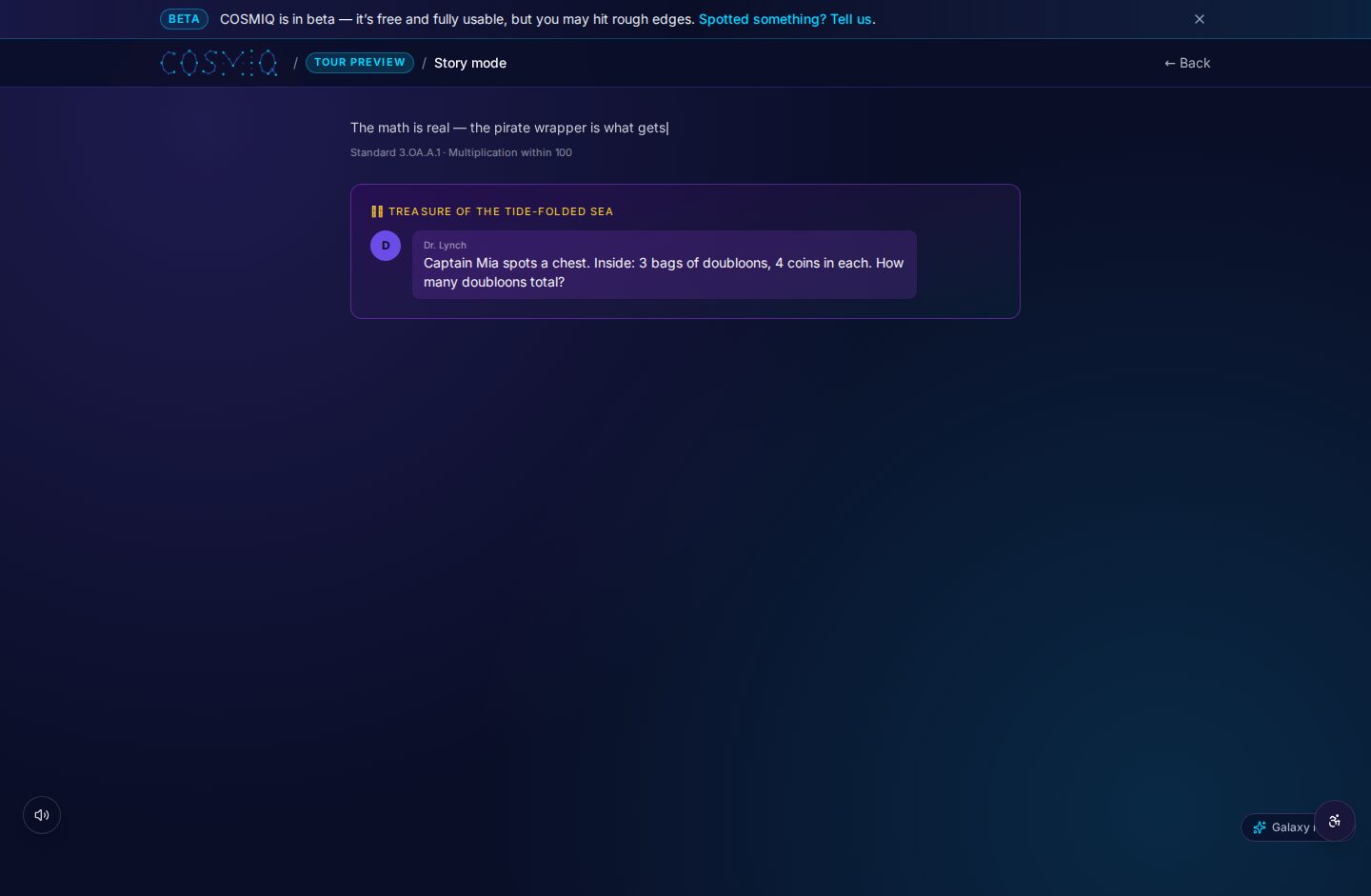
When it comes to learning and academic support, platforms like COSMIQ can also be a valuable, safe space. COSMIQ offers free voice-driven AI tutoring, providing K-12 students with personalized help in a secure environment, completely free forever. This kind of platform offers a focused, educational online interaction without the social complexities and potential risks of open gaming environments.
Fostering a Safer Digital Future
The work by HostingAdvice.com provides a critical snapshot of the challenges and concerns parents face in the realm of online gaming. By bringing these issues to the forefront, the organization contributes significantly to the ongoing conversation about child safety in digital spaces. Their research serves as a valuable reminder for parents, educators, and even game developers to continually prioritize and evolve strategies for protecting young users.
Creating a truly safe online environment requires a collaborative effort. It involves informed parents, proactive educators, responsible platform providers, and digitally literate children who feel empowered to speak up. By working together, we can help ensure that the positive aspects of online gaming and digital learning can thrive, while minimizing the risks that concern so many families.
Learn anything, free.
COSMIQ is a free, voice-driven AI tutor for every learner. No credit card, ever.
Start learning free →