Navigating School Choices and Smart Learning Tools for 2026-2027

As families look ahead to the 2026-2027 academic year, decisions about schooling and educational support are at the forefront. The 'best' school district is often a deeply personal choice, varying based on a family's unique values, a child's specific needs, and community priorities. Rather than a one-size-fits-all ranking, it’s more helpful to consider what makes a school environment truly supportive and enriching for your child. Similarly, the landscape of educational products and tools continues to evolve, offering innovative ways to enhance learning both inside and outside the classroom.
Understanding What Makes a School District "Best" for Your Family
When evaluating school districts for the 2026-2027 school year, consider moving beyond simple test scores or popular rankings. Here are some key areas to explore:
- Academic Programs and Curriculum: Look into the breadth and depth of academic offerings. Does the district provide advanced placement (AP) or International Baccalaureate (IB) programs? Are there strong programs in STEM (Science, Technology, Engineering, Math), arts, humanities, or vocational training? Consider how well the curriculum aligns with your child's interests and future aspirations.
- Student Support Services: A truly supportive district offers robust services for all students. This includes special education programs, gifted and talented programs, counseling services, and resources for English language learners. Investigate student-teacher ratios, which can impact individual attention.
- Extracurricular Activities: Beyond academics, extracurriculars play a vital role in a child's development. Does the district offer a wide range of sports, clubs, music, drama, and community service opportunities? These activities foster social skills, leadership, and a sense of belonging.
- Community Engagement and Culture: A strong school district often reflects a vibrant and engaged community. Research parental involvement opportunities, school board transparency, and the overall culture and values promoted by the district. A positive school culture contributes significantly to a child's emotional well-being and sense of safety.
- Resources and Facilities: Modern facilities, access to technology, well-stocked libraries, and safe learning environments are important considerations. Districts that invest in their infrastructure often demonstrate a commitment to providing quality education.
Top Learning Products and Tools for 2026-2027
The right tools can significantly enhance a student's learning experience. For 2026-2027, the focus remains on personalized, engaging, and accessible resources. While we don't endorse specific brands, here are categories of products and tools proving highly beneficial:

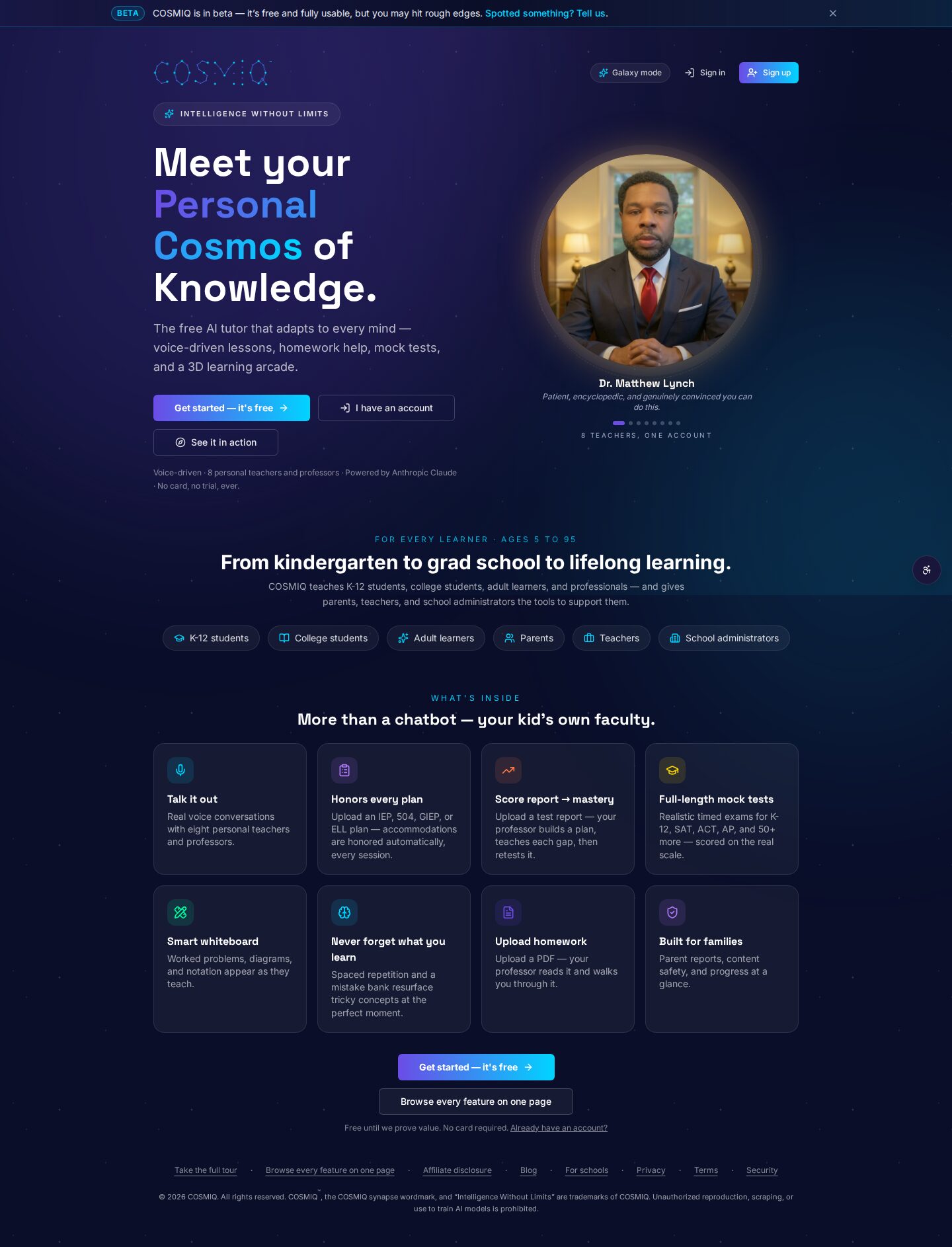
- AI-Powered Tutoring Platforms: Tools like COSMIQ, which offer voice-driven, personalized AI tutoring, are becoming increasingly sophisticated. They can provide instant feedback, adapt to individual learning paces, and help students master challenging concepts across various subjects.
- Interactive Educational Apps: Many apps now combine gamification with solid educational content, making learning fun and effective for different age groups. Look for apps that focus on specific skills like reading comprehension, math fluency, or coding.
- Digital Study Aids and Organizers: From note-taking apps that integrate with calendars to digital flashcards and mind-mapping tools, these products help students organize their studies, manage time, and prepare for exams efficiently.
- Virtual Reality (VR) and Augmented Reality (AR) Learning Experiences: While still emerging, VR and AR are creating immersive learning environments for subjects like history, science, and geography, allowing students to explore complex concepts in interactive 3D spaces.
- High-Quality Educational Content Subscriptions: Access to curated documentaries, online courses from reputable institutions, and digital libraries can supplement classroom learning and foster a love for lifelong learning.
Creating an Optimal Learning Environment at Home and Beyond
Beyond school districts and digital tools, the physical and emotional environments where children learn are paramount. For 2026-2027, consider these aspects:
- Dedicated Study Spaces: A quiet, organized, and well-lit area at home can significantly improve focus and productivity. Ensure it's free from distractions and equipped with necessary supplies.
- Access to Libraries and Community Centers: Local libraries offer not only books but also free internet access, study rooms, and educational programs. Community centers often provide after-school programs, tutoring, and recreational activities that support academic and social growth.
- Museums, Science Centers, and Historical Sites: These 'places' offer invaluable hands-on learning experiences that bring classroom lessons to life. Regular visits can spark curiosity and provide real-world context to various subjects.
- Nature and Outdoor Spaces: Don't underestimate the power of nature for learning and well-being. Parks, nature preserves, and even a backyard garden can be excellent places for scientific observation, creative play, and stress reduction, all of which contribute to a healthy learning mindset.
Choosing a school district and leveraging the best learning tools and environments for the 2026-2027 academic year requires thoughtful consideration. By focusing on your child's individual needs and exploring the resources available, you can create a robust and supportive educational journey that fosters growth, curiosity, and success.
Learn anything, free.
COSMIQ is a free, voice-driven AI tutor for every learner. No credit card, ever.
Start learning free →