Navigating School Year Uncertainty: A Look at Potential Teacher Strikes

The prospect of a teacher strike, particularly one slated for as early as August 19, can understandably create a ripple of concern through communities. For students, it might mean a delay in starting classes or disruptions to their routine. For parents, it raises questions about childcare, learning continuity, and how to best support their children. And for teachers, it's often a difficult decision, made only after extensive efforts to resolve critical issues.
Understanding the context behind such actions can help everyone involved navigate the uncertainty with greater clarity. While we sincerely hope for swift resolutions that prioritize student learning, being prepared for potential disruptions is a practical step.
Why Do Teacher Strikes Happen?
Teacher strikes are rarely undertaken lightly. They are typically the result of prolonged negotiations between education unions and school boards or government bodies that have reached an impasse. The core issues often revolve around fundamental aspects of the teaching profession and the learning environment. Some common reasons include:
- Teacher Pay and Benefits: Ensuring competitive salaries and comprehensive benefits is crucial for attracting and retaining qualified educators. When pay fails to keep pace with inflation or is significantly lower than that of comparable professions, unions may advocate for better compensation.
- Class Sizes and Workload: Large class sizes can diminish the quality of instruction and increase teacher workload, leading to burnout. Unions often push for manageable class sizes that allow teachers to provide individualized attention to students.
- School Funding and Resources: Adequate funding is essential for providing students with necessary resources, from textbooks and technology to support staff and extracurricular activities. Strikes can occur when unions believe that insufficient funding negatively impacts the learning environment.
- Working Conditions: This can encompass a range of issues, including safety protocols, professional development opportunities, and administrative support. Teachers advocate for conditions that allow them to perform their jobs effectively and safely.
Ultimately, these actions are often aimed at improving the overall quality of education and ensuring that schools can attract and retain the best possible educators for students.

Preparing for Potential School Disruptions
While we all hope for a swift resolution to any potential strike, proactive preparation can help minimize its impact on students. Here are some steps families and educators can consider:
For Parents and Guardians:
- Stay Informed: Keep an eye on official communications from your school district, local news, and credible union sources. Understanding the latest developments will help you plan.
- Review Learning Resources: Familiarize yourself with any online learning platforms or resources your school typically uses. If a strike occurs, schools may provide alternative learning materials.
- Establish a Routine: Even if school is delayed, try to maintain a consistent daily schedule for your children. This can include dedicated time for reading, educational activities, and even some fun learning games.
- Communicate with Your Children: Talk to your children in an age-appropriate way about what might happen. Reassure them and answer their questions honestly, focusing on the positive aspects of learning and spending time together.
- Explore Community Programs: Look into local libraries, community centers, or educational organizations that might offer programs or activities during a potential school closure.
For Students:
- Keep Learning Active: If school is delayed, continue to read, practice math skills, and explore subjects you enjoy. Many online resources and educational apps can make learning engaging.
- Connect with Classmates: If possible, stay in touch with friends. You might be able to work on some learning activities together or simply support each other through the uncertainty.
- Talk to Your Parents/Guardians: If you have questions or feel worried, share your feelings with a trusted adult. They can help you understand what's happening and how to prepare.
Supporting Learning Continuity with COSMIQ
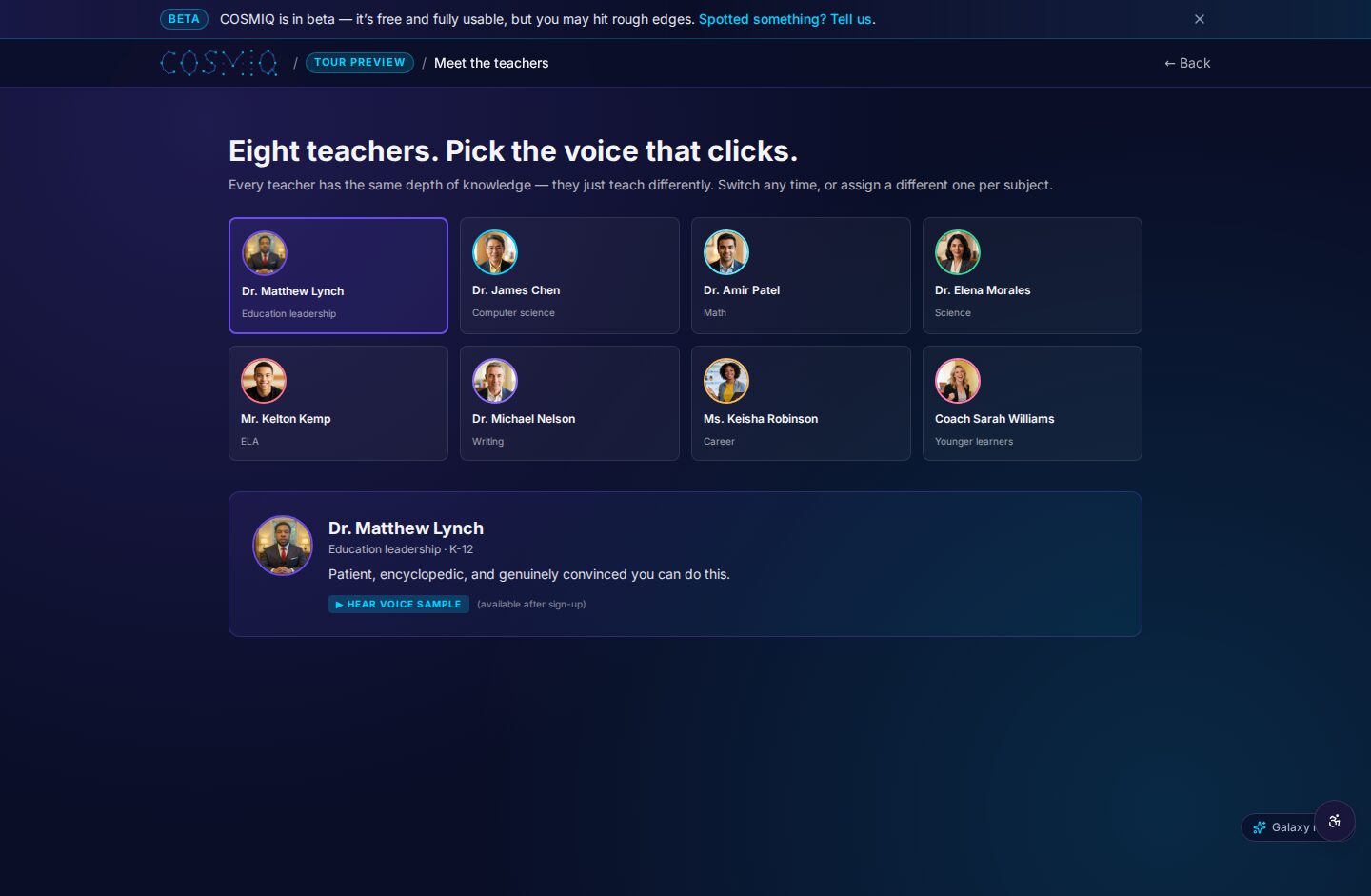
In times of uncertainty, maintaining a consistent learning routine is more important than ever. COSMIQ offers a valuable resource for students who might experience disruptions to their regular schooling. Our FREE voice-driven AI tutoring platform provides personalized support across a wide range of K-12 subjects and exam preparation.
Students can engage with COSMIQ to:
- Review and reinforce concepts: Catch up on topics they might have missed or solidify their understanding of challenging material.
- Explore new subjects: Use the extra time to delve into areas of interest beyond the standard curriculum.
- Practice for upcoming exams: Stay sharp and prepared for assessments, regardless of school schedules.
- Maintain a learning routine: Structure their day with engaging, interactive learning sessions that are accessible anytime, anywhere.
By providing a reliable and engaging learning partner, COSMIQ can help bridge potential gaps and ensure that students continue their educational journey, no matter the external circumstances.
Looking Ahead
While the threat of a strike can be unsettling, it's important to remember that all parties involved generally share the goal of providing the best possible education for students. We remain hopeful that negotiations will lead to a resolution that supports both educators and learners as we approach the 2026-2027 school year. In the meantime, being informed and prepared is the best way forward for everyone.
Learn anything, free.
COSMIQ is a free, voice-driven AI tutor for every learner. No credit card, ever.
Start learning free →