Navigating the AI Landscape: Smart Investments for Schools in 2026

The buzz around Artificial Intelligence (AI) in education is undeniable, and rightly so. From personalized learning pathways to administrative efficiencies, AI promises to revolutionize how we teach and learn. However, with schools across the globe investing significant resources, a common question emerges: what AI tools are truly worth buying? It’s a complex landscape, filled with innovative solutions and, sometimes, more hype than substance. This guide aims to help educators, parents, and administrators understand how to make informed decisions about AI investments for the 2026-2027 school year and beyond.
Understanding the 'Why' Before the 'What'
Before diving into specific products, it’s crucial for schools to clearly define their educational goals and identify existing challenges that AI could genuinely address. Simply purchasing the latest AI tool without a clear purpose can lead to underutilized technology and wasted resources. Consider these questions:
- What specific learning outcomes do we want to improve? Is it literacy rates, STEM engagement, critical thinking, or something else?
- What administrative burdens could be alleviated? Think about grading, scheduling, or communication.
- How will this AI tool integrate with our current curriculum and existing technology? Seamless integration is key to adoption.
- What professional development will be needed for teachers to effectively use the tool? Technology is only as good as the people using it.
By establishing clear objectives, schools can evaluate AI solutions against tangible needs rather than getting swayed by flashy features alone.
Identifying High-Value AI Applications for Learning
While AI offers a broad spectrum of possibilities, certain applications consistently show promise in enhancing the learning experience. Focusing on these areas can help schools make impactful investments:
Personalized Learning Platforms
AI excels at adapting to individual student needs. Platforms that use AI to:

- Diagnose learning gaps: Pinpointing exactly where a student struggles.
- Tailor content and pace: Delivering lessons and exercises at the right level and speed for each learner.
- Provide immediate, constructive feedback: Helping students understand their mistakes and learn from them in real-time.
These tools can free up teacher time, allowing them to focus on higher-level instruction and one-on-one support.
Intelligent Tutoring Systems (ITS)
Beyond personalization, ITS can act as virtual tutors, offering explanations, guiding problem-solving, and answering student questions. Look for systems that:
- Engage students interactively: Making learning dynamic and less like a static textbook.
- Offer diverse learning modalities: Catering to different learning styles.
- Provide data-driven insights to teachers: Showing where students are excelling or struggling collectively.
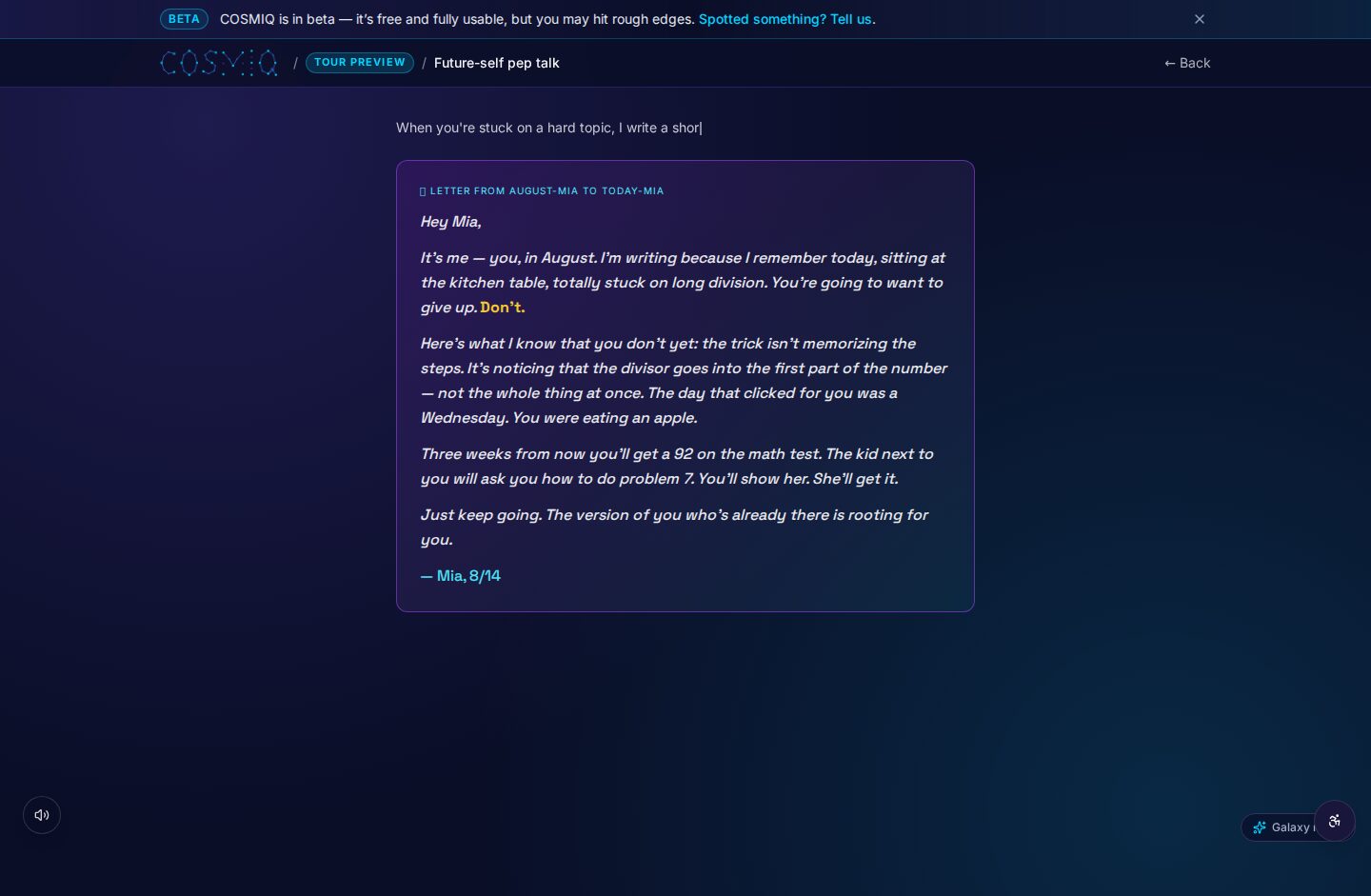
Platforms like COSMIQ, for example, leverage voice-driven AI to provide personalized, conversational tutoring, making learning more accessible and engaging.
Automated Assessment and Feedback Tools
Grading can be incredibly time-consuming. AI-powered tools can assist with:
- Automated grading of certain assignment types: Such as multiple-choice, short answers, or even essays (with human oversight).
- Providing preliminary feedback: Giving students immediate insights before a teacher reviews.
- Identifying common misconceptions: Helping teachers adjust their instruction based on collective student errors.
This can significantly reduce teacher workload, allowing more time for lesson planning and direct student interaction.
Considering Practicalities: Data Privacy, Equity, and Training
Beyond the educational benefits, several practical considerations are paramount when evaluating AI purchases:
- Data Privacy and Security: Schools handle sensitive student data. Ensure any AI vendor has robust data protection policies, complies with relevant regulations (like FERPA in the US), and is transparent about how data is collected, stored, and used.
- Equity and Accessibility: Will the AI tool be accessible to all students, regardless of their background, special needs, or access to devices? Consider potential biases in algorithms and how they might impact different student populations.
- Teacher Training and Support: The most sophisticated AI tool is useless if teachers aren't equipped to use it effectively. Budget for comprehensive professional development and ongoing technical support.
- Scalability and Integration: Can the AI solution grow with your school's needs? Does it integrate smoothly with your existing Learning Management System (LMS) or other educational software?
- Cost-Effectiveness: Evaluate the return on investment. Is the cost justified by the projected benefits and efficiencies gained?
Conclusion
Investing in AI for schools is a journey, not a destination. By approaching it strategically—starting with clear goals, prioritizing high-impact applications, and carefully considering practicalities—schools can navigate the vast AI landscape with confidence. The aim isn't to replace human educators but to empower them and enrich the learning experience for every student. With thoughtful planning and a focus on genuine educational value, AI can indeed be a transformative force in our classrooms in 2026 and beyond.
Learn anything, free.
COSMIQ is a free, voice-driven AI tutor for every learner. No credit card, ever.
Start learning free →