Navigating the AI Landscape: Why 'Borrowed Access' Matters for Innovation

The world of artificial intelligence is moving at an incredible pace, with new developments and strategic shifts emerging constantly. A recent report suggesting that Nvidia might be in talks to acquire Hugging Face, a prominent platform for AI model development and sharing, has sparked considerable discussion. While this news primarily affects enterprises building AI solutions, it also offers valuable insights for students, educators, and anyone interested in the future of technology and learning.
At the heart of the conversation is the concept of "borrowed access" – the reliance on external platforms and models whose neutrality, independence, or terms of access could change. According to Pierre Baqué, CEO and founder of Neural Concept, a leader in scientific machine learning, this potential acquisition serves as a powerful reminder that no AI platform is guaranteed to remain static. This perspective is crucial for understanding how to build resilient and adaptable AI strategies, whether in a corporate setting or in educational technology.
The Shifting Sands of AI Platform Neutrality
Hugging Face has long been celebrated as a hub for open-source AI, fostering collaboration and making advanced models accessible to a wide community. The prospect of an acquisition by a major hardware and software player like Nvidia naturally raises questions about the future of this neutrality. Baqué emphasizes that for enterprises, this potential deal underscores the inherent risk of building core operations on platforms that could, at any point, alter their terms of service, pricing, or even their foundational mission.
For students and teachers engaging with AI tools, this mirrors a broader lesson about understanding the underlying technologies they use. Just as a student learns the principles behind a mathematical formula, understanding the ecosystem of AI tools helps them critically evaluate information and choose reliable resources. Platforms like COSMIQ, a free voice-driven AI tutor for K-12 students, are designed with a focus on consistent, free access to learning support, aiming to provide a stable educational resource amidst technological shifts.
Why Avoiding Single-Platform Dependence is Key
Neural Concept's perspective highlights the importance of strategic foresight. Baqué suggests that enterprises should actively work to avoid becoming overly dependent on any single AI model or platform. This isn't just about the risk of an acquisition; it's also about preparing for potential changes in technology, unexpected service disruptions, or shifts in a provider's business strategy. Diversifying AI resources and building systems that can integrate various models offers a safeguard against these uncertainties.
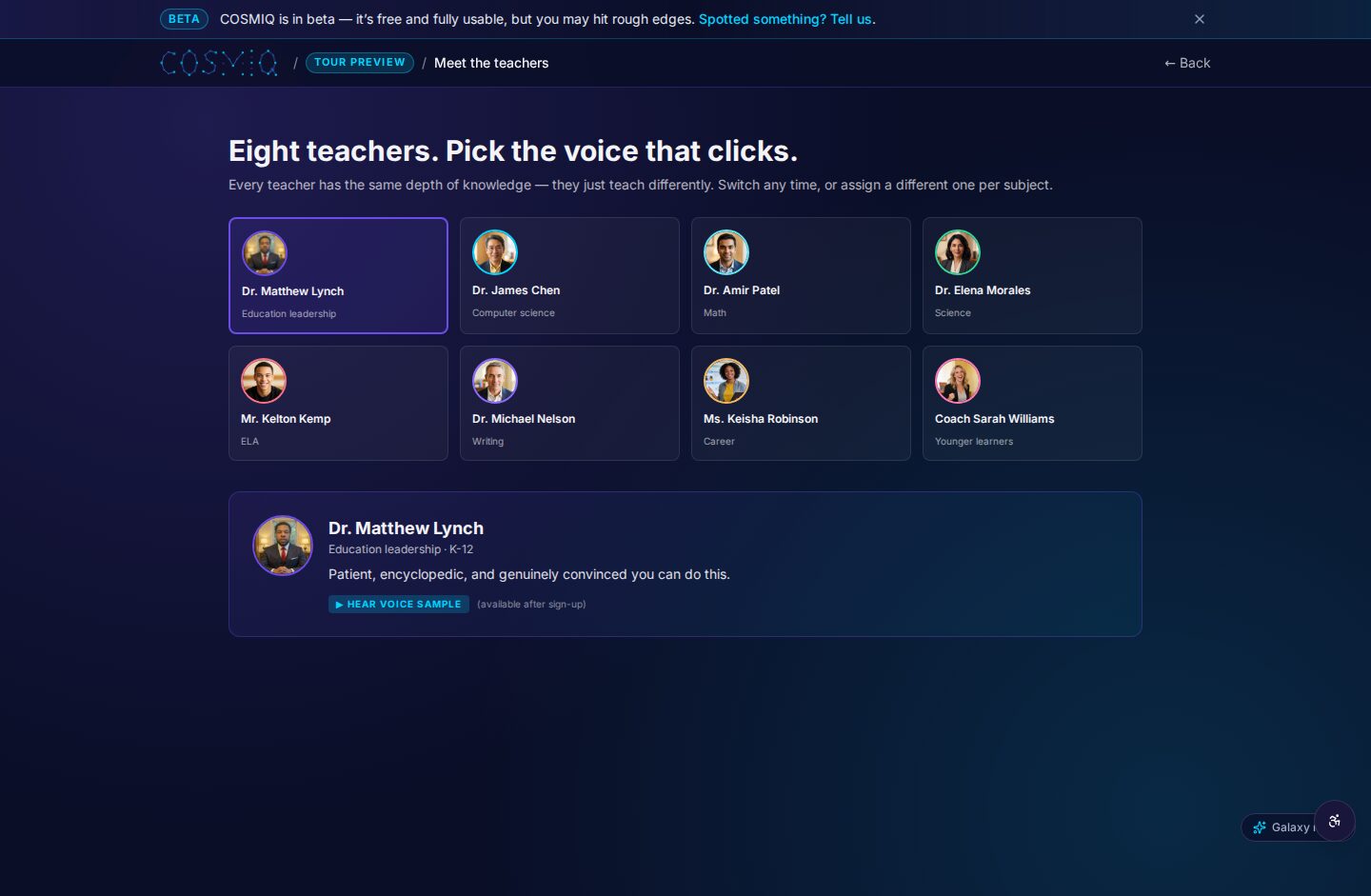
Consider the analogy in education: a diverse curriculum that introduces students to multiple perspectives and tools prepares them better than one narrowly focused on a single methodology. Similarly, for educators developing curricula around AI, encouraging students to explore different AI tools and understand their strengths and limitations can foster a more robust understanding of the field. Resources like the COSMIQ free practice hub offer varied learning experiences to help students build a broad foundation.
The Power of a Strong Application Layer
So, how can organizations and individuals mitigate the risks of "borrowed access"? Neural Concept champions the idea of a strong application layer. According to Baqué, by building robust, flexible application layers, companies can keep the underlying AI models interchangeable. This means that if one model or platform becomes unavailable, too expensive, or no longer meets specific needs, it can be swapped out for another with minimal disruption.
This architectural approach offers a pathway to greater autonomy and resilience. It allows innovation to continue, even as the foundational AI landscape evolves. For students learning about software development or AI, this concept illustrates the importance of modular design and API integration – skills that are highly valuable in today's tech-driven world.

Preparing for Future Changes in AI Access
Ultimately, the discussion around Nvidia and Hugging Face serves as a vital reminder for all stakeholders in the AI space to be proactive. Baqué advises companies to actively prepare for potential changes in access, pricing, or ownership of key AI platforms. This preparation involves strategic planning, exploring alternative solutions, and fostering internal expertise to adapt to new circumstances.
For parents and teachers, this translates to encouraging a critical and adaptable approach to technology. Understanding that the tools available today might evolve tomorrow helps students develop future-proof skills. It's about teaching them not just how to use current AI, but how to understand, evaluate, and adapt to future innovations. Embracing platforms that prioritize open, accessible learning, like COSMIQ, can help ensure that educational support remains consistent and reliable for every student.
The potential shifts in the AI ecosystem, as highlighted by Neural Concept, underscore a continuous need for adaptability and strategic thinking. By understanding the implications of "borrowed access" and focusing on resilient architectural approaches, both enterprises and educational communities can navigate the exciting, yet ever-changing, landscape of artificial intelligence effectively.
Learn anything, free.
COSMIQ is a free, voice-driven AI tutor for every learner. No credit card, ever.
Start learning free →