Navigating the Digital Stacks: Choosing the Best eLearning Libraries for 2026-2027

In today's interconnected world, online learning libraries have become indispensable tools for learners of all ages. From supplementing classroom instruction to preparing for crucial exams, these digital repositories offer a wealth of knowledge at our fingertips. As we look towards 2026-2027, the market continues to expand, making the choice of the 'best' library more nuanced than ever. This article will explore key factors to consider when selecting an eLearning library, helping you make an informed decision for students, classrooms, or personal growth.
What Makes an eLearning Library Stand Out?
Not all online learning platforms are created equal. When evaluating options for the coming years, several critical features distinguish a truly effective eLearning library:
- Comprehensive Content: The breadth and depth of subjects covered are paramount. Does it offer resources across various K-12 grades, advanced placement (AP) courses, or specific exam preparation (e.g., SAT, ACT, professional certifications)? Look for a rich collection that caters to diverse learning needs.
- Quality and Accuracy: Content must be current, accurate, and aligned with educational standards. Reputable libraries often partner with subject matter experts, educators, and publishers to ensure high-quality material.
- Engaging Formats: Learning isn't just about reading text. Effective libraries incorporate a mix of interactive elements such as video lessons, practice quizzes, simulations, interactive exercises, and even virtual labs to keep learners engaged and reinforce understanding.
- User-Friendly Interface: A cluttered or confusing platform can hinder learning. An intuitive design, easy navigation, and powerful search functionality are crucial for students, parents, and teachers to quickly find the resources they need.
- Accessibility: Considerations for learners with diverse needs are important. Look for features like closed captions, adjustable text sizes, and compatibility with assistive technologies.
- Progress Tracking and Analytics: For students, seeing their progress can be highly motivating. For parents and teachers, insights into learning patterns and areas of struggle are invaluable. Libraries that offer robust progress tracking, performance reports, and personalized recommendations can significantly enhance the learning journey.
Key Considerations for Different Learners
The 'best' library often depends on the specific learner's needs:
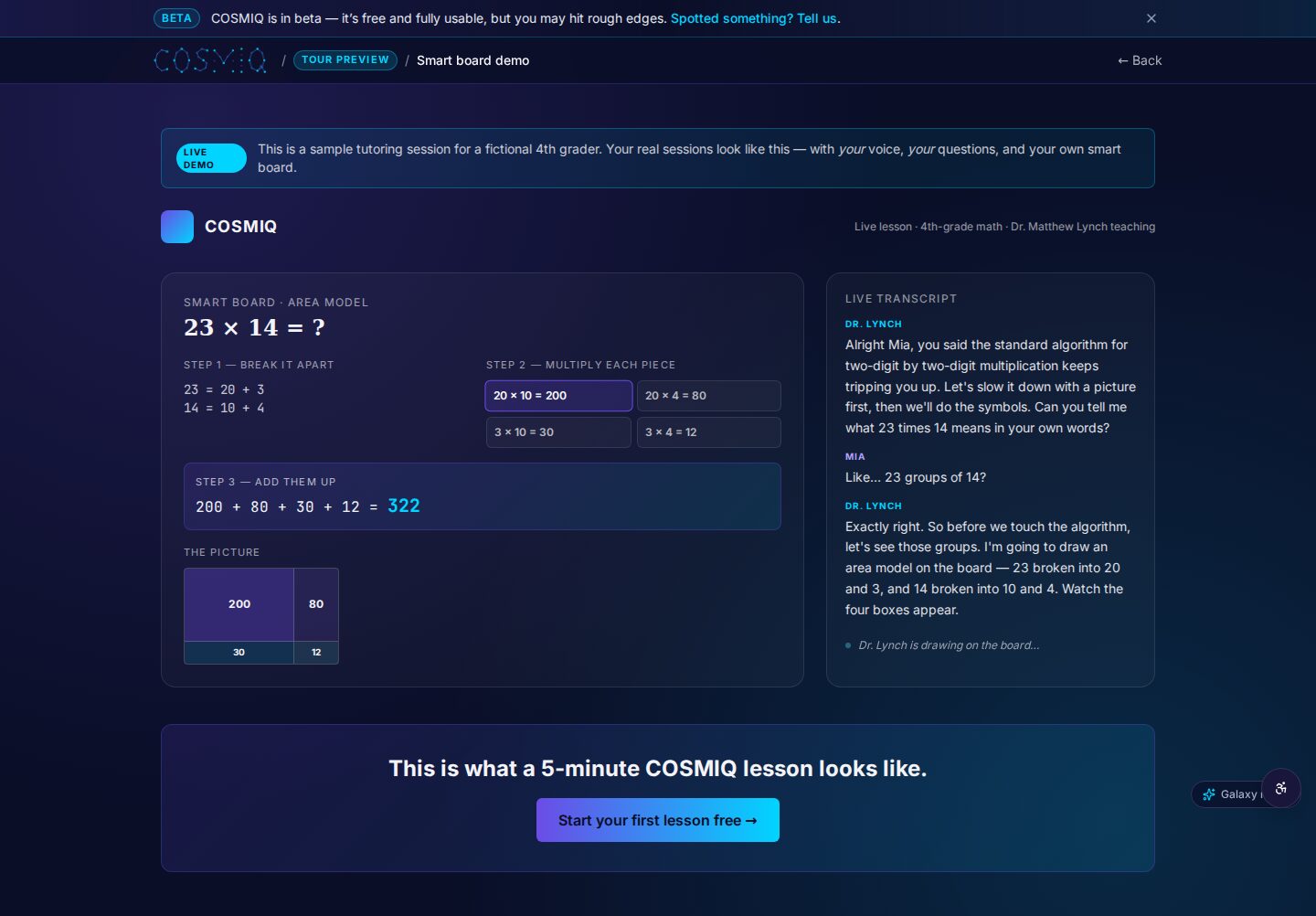
For K-12 Students and Parents
- Curriculum Alignment: Ensure the content aligns with national or local curriculum standards relevant to your student's grade level.
- Supplemental Learning: Look for resources that can clarify difficult concepts, offer extra practice, or provide enrichment beyond the classroom.
- Safety and Privacy: Especially for younger learners, platforms with strong privacy policies and appropriate content filtering are essential.
- Parental Controls: Features that allow parents to monitor activity and set learning goals can be beneficial.
For Exam Preparation
- Specific Exam Focus: Choose libraries tailored to the exact exam (e.g., SAT, ACT, GRE, professional licensing exams).
- Practice Tests and Explanations: Abundant, realistic practice tests with detailed answer explanations are crucial for identifying weaknesses and understanding concepts.
- Timed Practice: The ability to simulate exam conditions with timed sections helps build endurance and time management skills.
- Performance Analysis: Detailed feedback on performance across different sections and question types can guide study efforts.
For Educators and Schools
- Integration Capabilities: Can the library integrate with existing learning management systems (LMS) like Canvas or Google Classroom?
- Teacher Resources: Look for features like assignment creation, student monitoring tools, and ready-made lesson plans.
- Professional Development: Some libraries also offer resources for teacher training and professional growth.
- Scalability and Support: Consider how well the platform can support a large number of users and the level of technical support provided.
Looking Ahead: Trends in eLearning Libraries
As we move into 2026-2027, several trends are shaping the future of eLearning libraries:
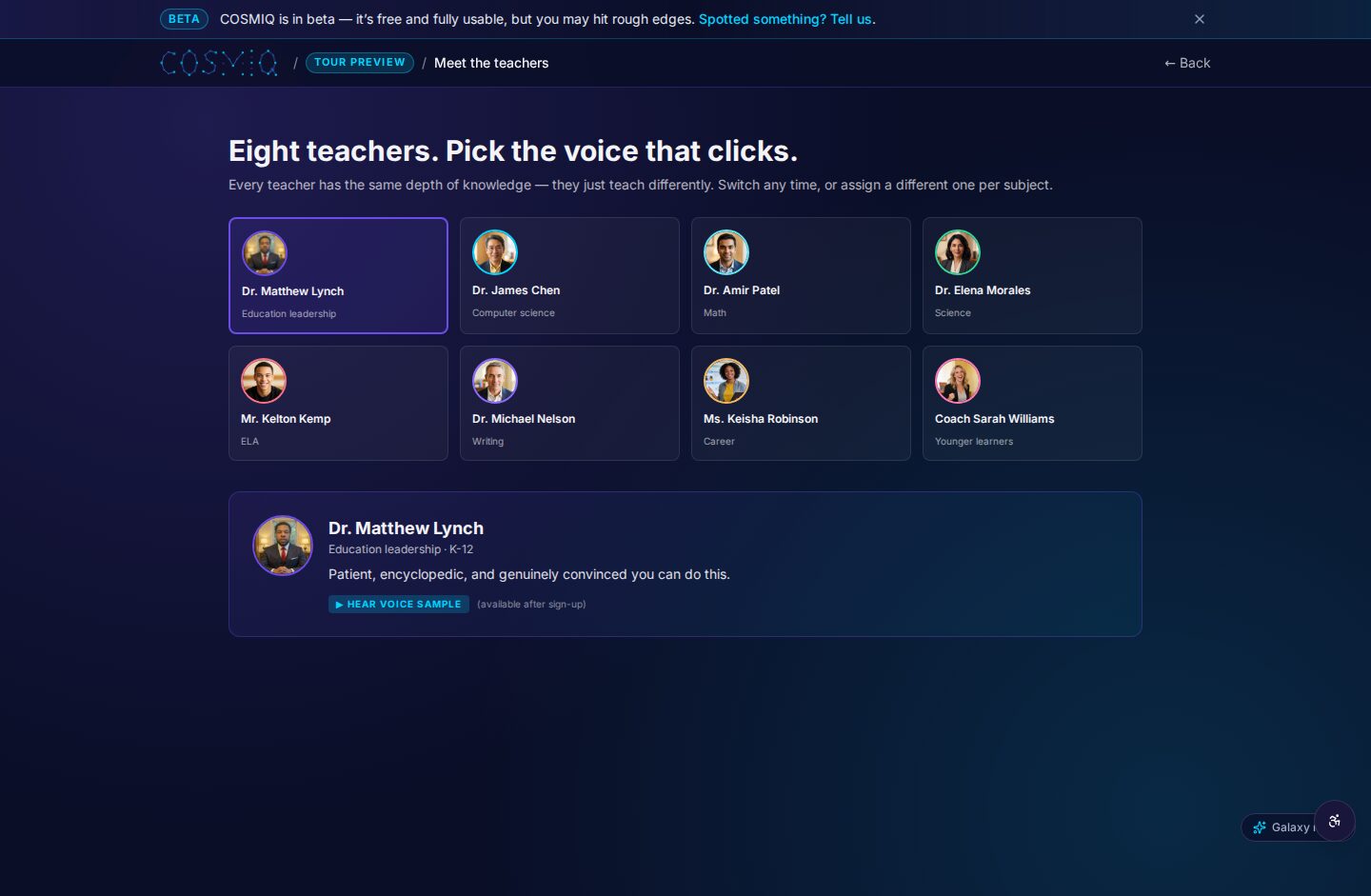
- Personalized Learning Paths: Leveraging artificial intelligence (AI) to adapt content and recommendations based on individual student performance and learning style.
- Gamification: Incorporating game-like elements and rewards to boost engagement and motivation.
- Microlearning: Offering bite-sized, focused content modules that are easy to consume and fit into busy schedules.
- Collaborative Features: Tools that allow students to work together, share insights, and engage in peer-to-peer learning.
- Augmented Reality (AR) and Virtual Reality (VR): While still emerging, these technologies hold promise for creating immersive and interactive learning experiences, especially in subjects like science and history.
Conclusion
Choosing the right eLearning library for 2026-2027 is an investment in effective learning. By carefully evaluating content quality, user experience, specific learning goals, and emerging trends, students, parents, and educators can select platforms that genuinely support academic achievement and foster a love for lifelong learning. Remember, the goal isn't just to find a vast collection of resources, but a dynamic and supportive environment that empowers learners to thrive in the digital age.
Learn anything, free.
COSMIQ is a free, voice-driven AI tutor for every learner. No credit card, ever.
Start learning free →