Navigating the Future of Education: Why Adaptability Matters More Than Ever

The landscape of education is in perpetual motion, shaped by technological advancements, shifts in the global economy, and a deeper understanding of how students learn best. As we look towards 2026 and beyond, discussions around educational reform often bring into focus a tension between established, traditional methods and innovative, future-oriented approaches. While there's undeniable value in foundational knowledge and classic teaching techniques, a rigid adherence to what worked in the past might inadvertently put students at a disadvantage in a rapidly changing world.
The Evolving Needs of 21st-Century Learners
Today's students are growing up in an interconnected, information-rich environment. They are digital natives, accustomed to instant access to knowledge and interactive experiences. This reality means that an education system designed for a different era may not fully equip them with the skills they need. The focus is increasingly shifting from rote memorization to critical thinking, problem-solving, creativity, and collaboration – skills that are essential for navigating complex challenges and adapting to new technologies and job markets.
- Critical Thinking: Beyond recalling facts, students need to evaluate information, form reasoned judgments, and analyze situations from multiple perspectives.
- Problem-Solving: The ability to identify problems, brainstorm solutions, and implement effective strategies is crucial in all aspects of life.
- Creativity and Innovation: Encouraging original thought and new ideas helps students contribute meaningfully to society and adapt to unforeseen circumstances.
- Collaboration and Communication: Working effectively in teams and communicating ideas clearly are vital skills in both academic and professional settings.
Beyond the Classroom Walls: Learning in a Digital Age
The internet and digital tools have democratized access to information and created new avenues for learning. While the physical classroom remains important for social development and structured instruction, effective education in 2026 must leverage these digital resources. This doesn't mean abandoning textbooks, but rather integrating digital literacy, online research skills, and collaborative digital projects into the curriculum.
The Role of Technology in Modern Pedagogy
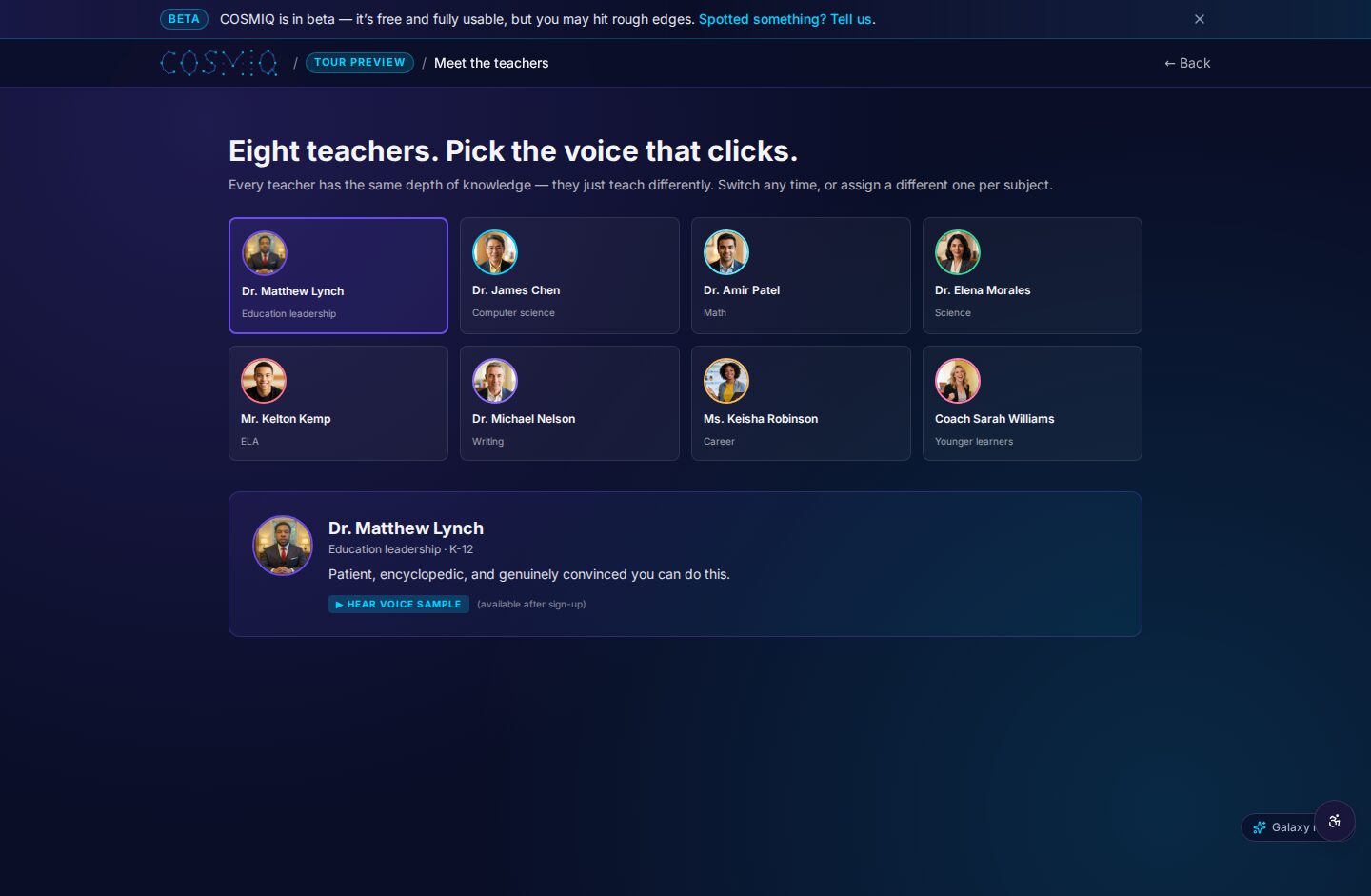
Technology, when used thoughtfully, can personalize learning, provide immediate feedback, and make complex concepts more accessible. Tools like AI tutors, virtual labs, and online learning platforms can supplement traditional teaching, offering students tailored support and opportunities to explore subjects at their own pace. For instance, voice-driven AI platforms can offer personalized explanations, practice opportunities, and real-time guidance, making learning more engaging and effective for diverse learners.
Preparing for an Unpredictable Future
The job market of 2026 and beyond will demand adaptability. Many of the jobs students will hold may not even exist yet. Therefore, an education that emphasizes flexibility, lifelong learning, and the ability to acquire new skills quickly is paramount. Focusing solely on a narrow set of traditional subjects without considering their real-world application or the broader skill sets required for future success could inadvertently limit a student's potential.
“Education is not the filling of a pail, but the lighting of a fire.” – Attributed to William Butler Yeats
This timeless sentiment underscores the idea that true education inspires curiosity and a passion for learning, rather than simply depositing information. Creating an educational environment that fosters this intrinsic motivation is key to preparing students for a future that will undoubtedly require continuous learning and reinvention.

Striking a Balance: Honoring Tradition While Embracing Innovation
The goal isn't to discard everything from the past but to thoughtfully integrate proven methods with innovative approaches. Foundational skills in literacy and numeracy remain crucial, and the discipline of traditional subjects provides a strong base. However, these foundations can be strengthened and made more relevant through modern teaching strategies that encourage active participation, critical inquiry, and real-world application. Educators, parents, and policymakers alike have a shared responsibility to ensure that educational plans are aligned with the realities and demands of the present and future, rather than solely rooted in nostalgia.
Ultimately, the most effective education system for 2026 will be one that is dynamic, responsive, and student-centered, empowering learners not just to succeed in exams, but to thrive in life.
Learn anything, free.
COSMIQ is a free, voice-driven AI tutor for every learner. No credit card, ever.
Start learning free →