Navigating the New Landscape of Accessibility: Understanding Title II Compliance

The landscape of education is constantly evolving, and with it, the expectations for accessibility. A recent report from eSchool News highlights a critical area of focus for educational institutions: compliance with Title II of the Americans with Disabilities Act (ADA). This isn't just a legal formality; it's about ensuring every student has equitable access to learning, a cornerstone of modern education.
For many years, discussions around accessibility in schools often centered on physical access – ramps, elevators, and accessible restrooms. While these remain vital, the digital age has introduced a new frontier: digital accessibility. As learning increasingly moves online, through virtual classrooms, educational platforms, and digital resources, the requirements for compliance extend into the digital realm. This shift means that school districts, teachers, and parents alike need to understand what Title II compliance means for online learning environments and digital content.
The Shifting Sands of Accessibility: Why Title II Matters Now
According to eSchool News, Title II of the ADA is currently a significant driver in how schools are rethinking accessibility. This focus isn't arbitrary; it reflects a growing understanding that digital barriers can be just as limiting as physical ones. For students with disabilities, inaccessible websites, non-captioned videos, or difficult-to-navigate learning management systems can create significant obstacles to their education.
Title II specifically prohibits discrimination against individuals with disabilities in services, programs, and activities provided by state and local government entities, which includes public schools and universities. While the ADA itself has been law for decades, its application to digital environments has become increasingly prominent. Legal interpretations and enforcement efforts are emphasizing that digital resources provided by schools must be accessible to all students, regardless of their abilities. This means that if a school offers an online course, a digital textbook, or a website with important information, it must be usable by students who rely on screen readers, assistive technologies, or have other accessibility needs.
The challenge for schools lies in navigating the technical complexities of digital accessibility standards, which can seem daunting. However, proactive engagement with these standards can prevent future compliance issues and foster a more inclusive learning environment for everyone.
Understanding the 'Compliance Trap'
The eSchool News article describes a "compliance trap" awaiting schools. This phrase likely refers to the potential for schools to inadvertently fall out of compliance due to a lack of awareness, insufficient resources, or a misunderstanding of what digital accessibility truly entails. It's not enough to simply have digital resources; those resources must be designed and implemented with accessibility in mind from the outset. Retrofitting inaccessible systems can be far more costly and time-consuming than building them accessibly from the start.
For example, a common pitfall is the use of educational videos without accurate closed captions or transcripts. Another is relying on learning platforms that are not compatible with screen readers. These seemingly small oversights can create significant barriers for students with hearing or visual impairments. The "trap" suggests that without a deliberate and ongoing strategy, schools may find themselves in a reactive position, addressing complaints or legal challenges rather than proactively serving their students.
The implication is that schools need to move beyond a minimal compliance mindset towards a culture of inclusive design. This involves training staff, selecting accessible technologies, and regularly auditing digital content to ensure it meets established accessibility guidelines, such as the Web Content Accessibility Guidelines (WCAG).
Practical Steps for Schools, Teachers, and Parents
So, what can educational stakeholders do to navigate this evolving landscape effectively?
-
For School Administrators:
Prioritize digital accessibility in technology procurement and curriculum development. Invest in professional development for staff on creating accessible content. Establish clear policies and procedures for reporting and addressing accessibility barriers. Regular audits of digital platforms and content are crucial.
-
For Teachers:
Be mindful of accessibility when creating or selecting digital materials. Use clear, concise language. Ensure all videos have accurate captions. Provide alternative text for images. Structure documents and presentations logically for screen reader compatibility. Many tools and resources are available to help identify and correct accessibility issues.
-
For Parents and Students:
Familiarize yourselves with the concept of digital accessibility and what it means for equitable learning. If you encounter an accessibility barrier in your child's education or your own learning, communicate it to the school. Understanding your rights under Title II is an important first step in advocating for necessary changes.
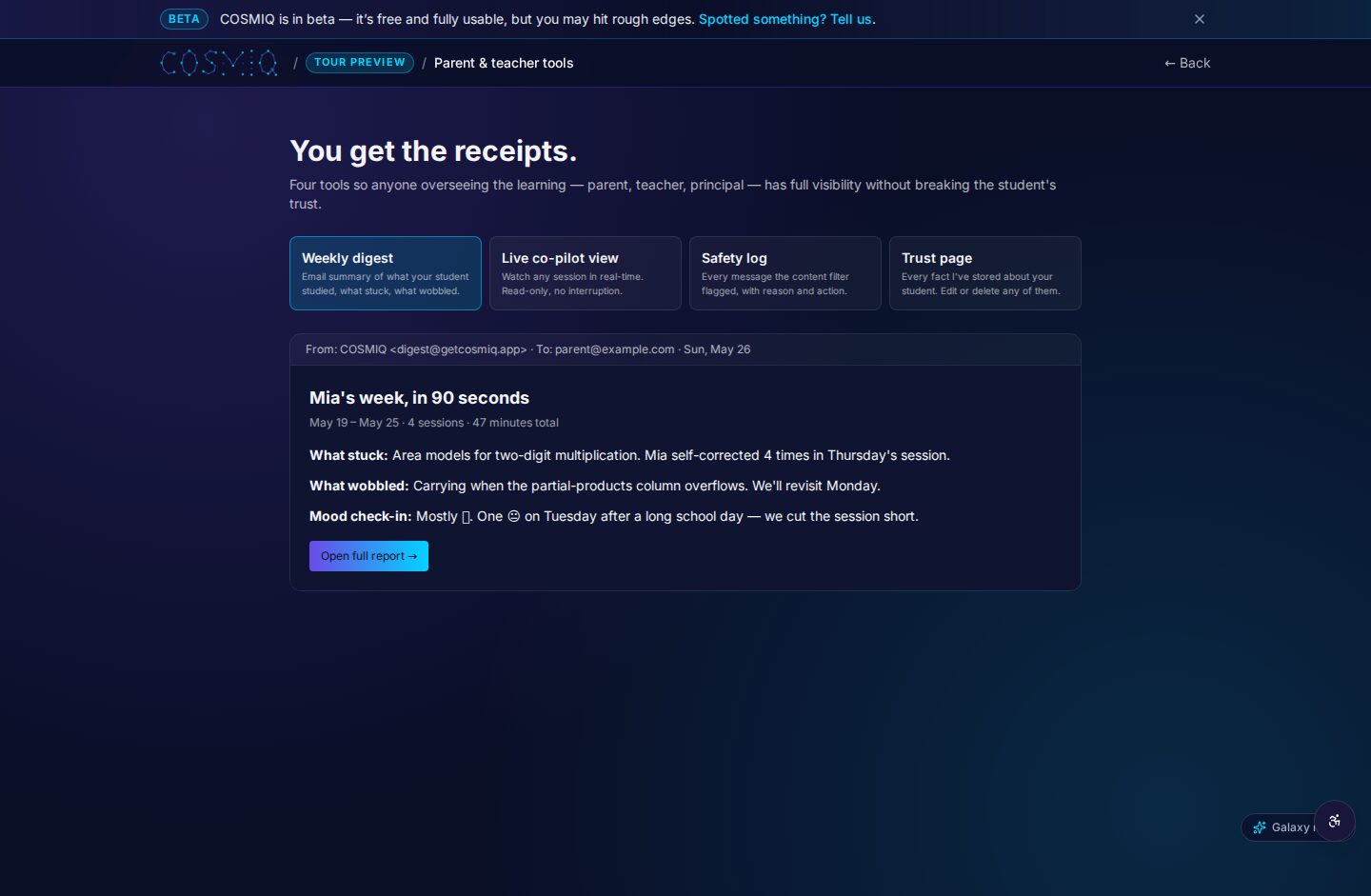
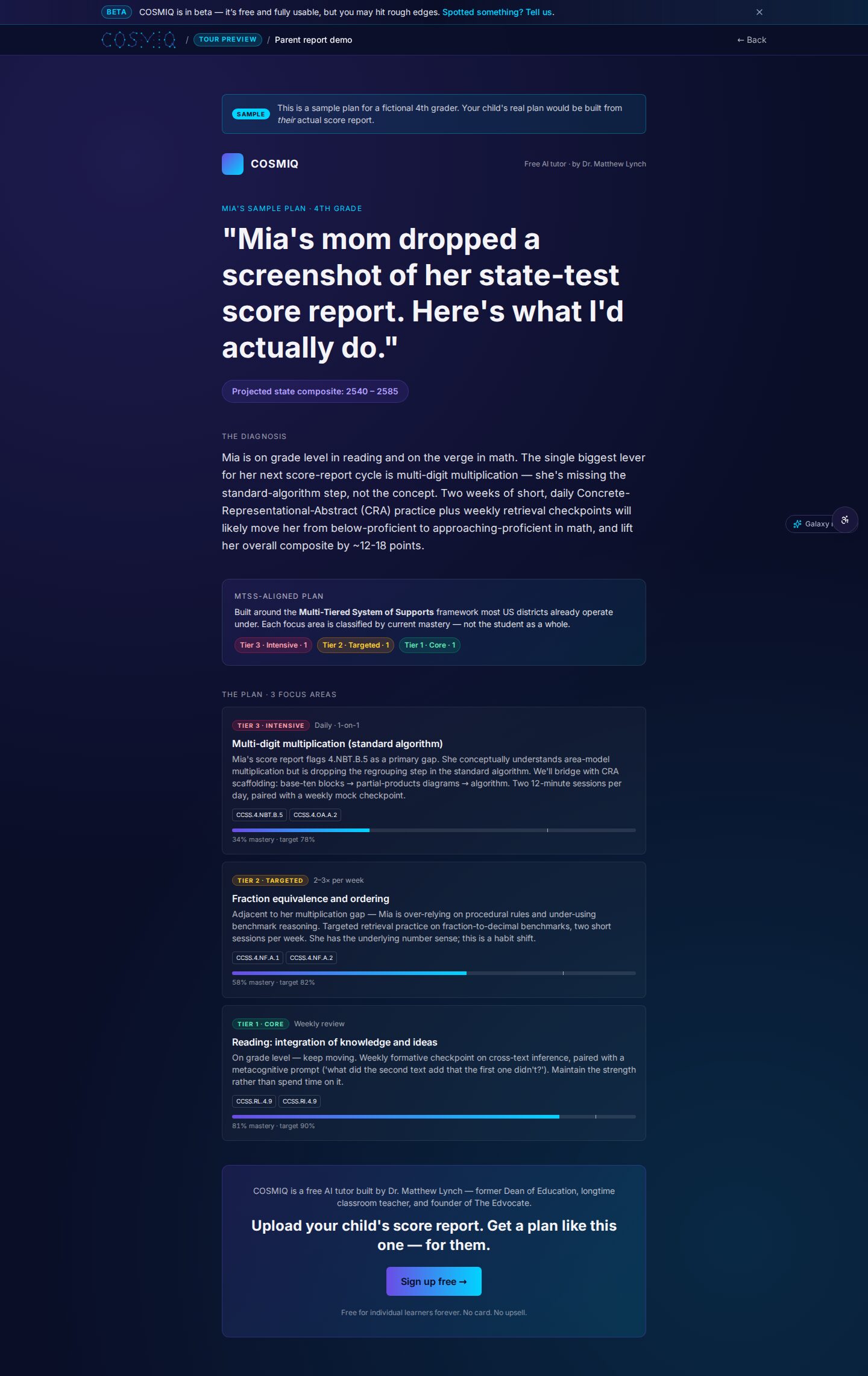
As schools work to enhance digital accessibility, platforms like COSMIQ can play a supportive role. COSMIQ offers free voice-driven AI tutoring, designed to be accessible and supportive for every K-12 student, free forever. Its focus on natural language interaction can help bridge learning gaps for diverse learners, complementing a school's broader accessibility initiatives. Furthermore, resources like COSMIQ's free practice hub by grade and subject can provide additional accessible learning opportunities.
Looking Ahead: A Culture of Inclusion
The heightened focus on Title II compliance is not merely about avoiding legal repercussions; it's an opportunity to build more inclusive and effective educational systems. By proactively addressing digital accessibility, schools can ensure that all students, including those with disabilities, have the tools and resources they need to succeed in the 2026-2027 academic year and beyond.
Embracing digital accessibility from the ground up fosters an environment where every student feels valued and capable of reaching their full potential. This commitment moves beyond basic compliance to create a truly equitable learning experience for all.
Learn anything, free.
COSMIQ is a free, voice-driven AI tutor for every learner. No credit card, ever.
Start learning free →