Navigating the 'Techlash': How Teachers Are Thoughtfully Integrating Tech in 2026

The past few years have seen a noticeable shift in how we view technology, especially concerning its role in education. After a period of rapid digital adoption, a 'techlash' has emerged – a growing skepticism and concern about the potential negative impacts of excessive screen time, digital distractions, and the erosion of traditional learning skills. For teachers, this presents a unique challenge: how to leverage the undeniable advantages of educational technology without succumbing to its potential pitfalls. In 2026, educators are not shying away from this conversation; instead, they are proactively developing thoughtful, balanced approaches to classroom tech integration.
Reclaiming Focus: Strategies for Minimizing Digital Distraction
One of the primary concerns driving the 'techlash' is the pervasive nature of digital distraction. Teachers are implementing clear boundaries and innovative techniques to help students maintain focus:
- Designated Tech-Free Zones and Times: Many classrooms are establishing specific periods or even areas where devices are strictly put away. This might include the first 15 minutes of a lesson for direct instruction, during group discussions, or even specific 'unplugged' days for certain subjects.
- Single-Purpose Device Use: Instead of open-ended internet access, teachers are guiding students to use devices for very specific, pre-approved tasks. This could mean using tablets solely for a particular educational app, a digital textbook, or a research database, with other applications blocked or inaccessible.
- Mindful Device Storage: Rather than allowing devices on desks at all times, some teachers are providing central charging stations or 'device hotels' where phones and tablets are stored until explicitly needed for an educational activity. This physical separation helps reduce the temptation to check notifications.
- Teaching Digital Citizenship and Self-Regulation: Beyond rules, educators are dedicating time to teach students about digital wellness, the psychology of distraction, and strategies for self-regulation. Understanding why it's hard to resist notifications empowers students to make better choices.
Leveraging Tech for Deeper Learning, Not Just Engagement
The 'techlash' isn't about abandoning technology altogether, but about using it more wisely. Teachers are focusing on how technology can enhance learning outcomes rather than simply being a novelty:

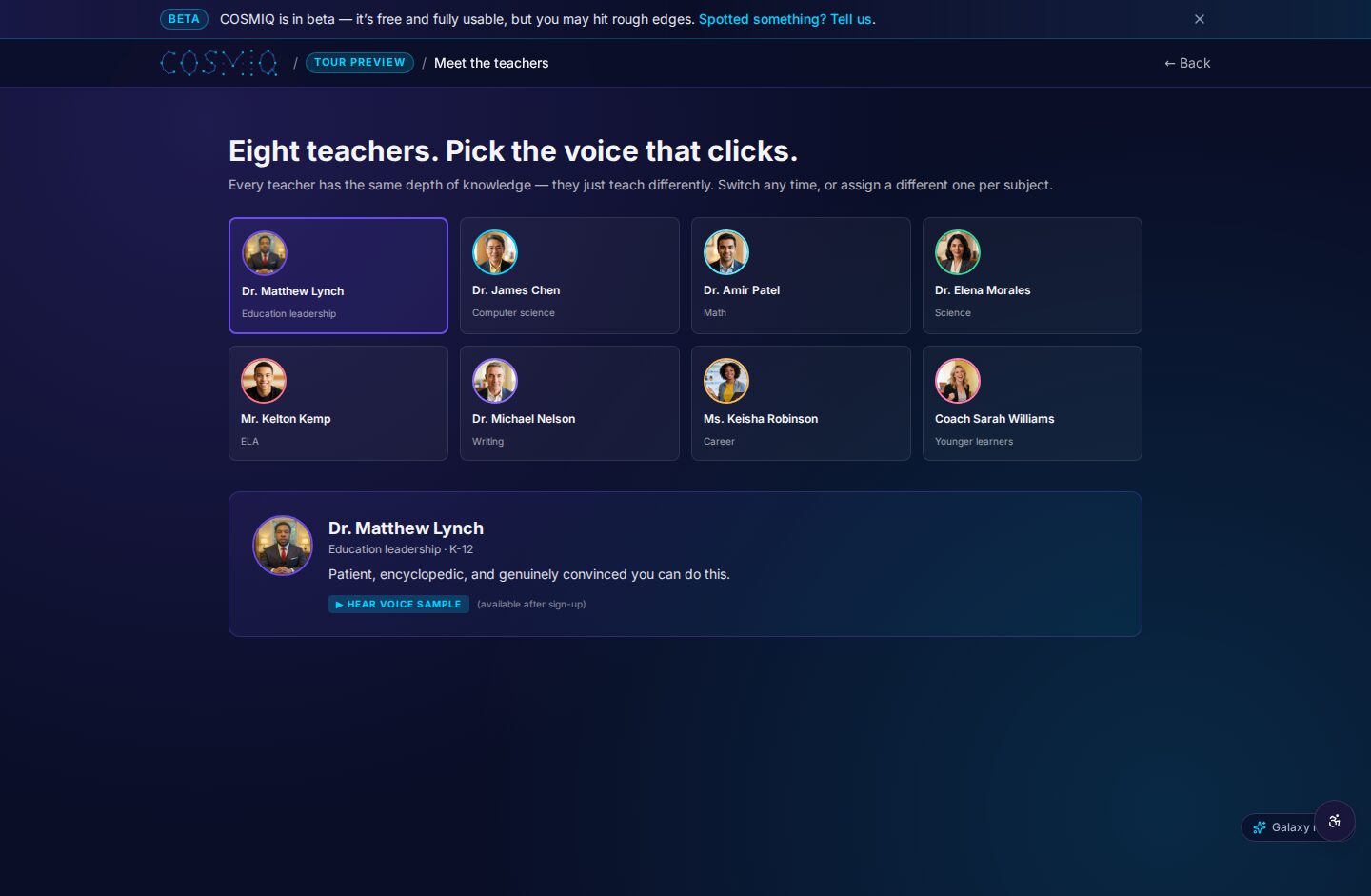
- Personalized Learning Pathways: AI-powered tutoring platforms, like COSMIQ, allow teachers to differentiate instruction more effectively. Students can receive personalized feedback, practice at their own pace, and access resources tailored to their specific needs, freeing up teachers to provide more targeted one-on-one support.
- Interactive Simulations and Virtual Field Trips: Technology can open doors to experiences otherwise impossible in a traditional classroom. Virtual reality (VR) or augmented reality (AR) tools allow students to explore historical sites, dissect virtual organisms, or conduct scientific experiments safely and immersively.
- Collaborative Project-Based Learning: Digital tools facilitate collaboration on complex projects, allowing students to co-create documents, presentations, and multimedia content. This fosters teamwork, communication, and critical thinking skills in ways that mimic professional environments.
- Data-Driven Instruction: Learning analytics provided by educational software can give teachers valuable insights into student progress, identifying areas where students might be struggling individually or as a class. This data helps teachers adjust their lessons and interventions proactively.
Balancing Digital Tools with Essential Analog Skills
A key aspect of tackling the 'techlash' is ensuring that technology complements, rather than replaces, fundamental learning skills. Teachers are consciously integrating both digital and analog methods:
- Prioritizing Handwriting and Note-Taking: While digital notes have their place, many educators are re-emphasizing the benefits of handwritten notes for memory retention and active processing. Regular opportunities for pen-and-paper work are common.
- Encouraging Physical Books and Print Materials: Even with e-books available, many classrooms still utilize physical textbooks, workbooks, and library resources. Reading from a physical book can offer a different cognitive experience than reading from a screen, reducing eye strain and digital fatigue.
- Fostering Face-to-Face Communication: Despite the prevalence of digital communication tools, teachers are creating opportunities for robust in-person discussions, debates, and presentations. Developing strong verbal communication and interpersonal skills remains paramount.
- Integrating Hands-On, Project-Based Learning: Beyond screen-based activities, educators are ensuring students engage in hands-on projects, experiments, and creative arts that involve physical manipulation and construction, balancing digital creation with tangible output.
The 'techlash' isn't a call to abandon technology, but a vital invitation to use it more thoughtfully and purposefully. Teachers in 2026 are leading the way by adopting balanced strategies that harness technology's power for personalized, engaging learning while safeguarding against its potential downsides. By focusing on digital wellness, intentional integration, and the preservation of essential analog skills, educators are ensuring that technology truly serves the student, fostering environments where deep learning and well-being can thrive.
Learn anything, free.
COSMIQ is a free, voice-driven AI tutor for every learner. No credit card, ever.
Start learning free →