Navigating Tomorrow's World: Why Career Literacy Matters for Students
The world of work is evolving at an unprecedented pace. Automation, artificial intelligence, and global connectivity are reshaping industries and creating entirely new roles, while some traditional careers are transforming or diminishing. For students, this rapidly changing landscape can feel both exciting and daunting. How can we best prepare them not just for a first job, but for a fulfilling and adaptable career journey throughout their lives? The answer lies in fostering robust career literacy.
What is Career Literacy, and Why Now?
Career literacy goes beyond simply knowing about different jobs. It's the ability to understand the broader economic landscape, identify one's own strengths and interests, explore potential pathways, and develop the necessary skills to navigate career transitions effectively. It's about empowering individuals to make informed decisions about their education and work life, and to adapt as the world changes.
In the past, career guidance often focused on a linear path: study, pick a career, and stick with it. Today, that model is increasingly outdated. Reports consistently highlight that many of the jobs of the future don't even exist yet, and that individuals will likely hold multiple careers, not just multiple jobs, over their working lives. This makes career literacy not just beneficial, but critical. It equips students with a framework for lifelong learning and self-discovery, rather than just a destination.

Key Components of Career Literacy
Developing career literacy involves several interconnected areas:
- Self-Awareness: Understanding one's own talents, passions, values, and preferred work styles. What motivates them? What kind of impact do they want to make?
- Career Exploration: Researching diverse industries, job roles, and educational pathways. This includes understanding the skills in demand, typical work environments, and potential for growth.
- Skill Identification and Development: Recognizing both foundational skills (like critical thinking, problem-solving, communication) and specialized skills needed for various fields, and actively working to acquire and refine them.
- Labor Market Understanding: Grasping economic trends, the impact of technology on jobs, and regional/global employment opportunities. This helps students make strategic choices.
- Decision-Making and Planning: Learning how to set career goals, create action plans, and make informed choices about education, training, and job opportunities.
- Adaptability and Resilience: Developing the mindset and tools to navigate change, embrace new learning, and recover from setbacks in their career journey.
How Parents, Teachers, and Technology Can Support Career Literacy
Fostering career literacy is a shared responsibility. Here's how different stakeholders can contribute:
For Parents:
- Encourage Exploration: Talk about your own work, discuss different professions you encounter, and expose children to various activities and interests outside of school.
- Focus on Skills, Not Just Jobs: Instead of asking, "What do you want to be when you grow up?" try, "What problems do you want to solve? What skills do you enjoy using?"
- Support Adaptability: Help children understand that learning is continuous and that career paths can evolve. Celebrate curiosity and new experiences.
For Teachers and Schools:
- Integrate Career Conversations: Weave discussions about careers, skills, and real-world applications into existing curriculum across subjects, not just in dedicated career counseling sessions.
- Promote Project-Based Learning: These experiences allow students to develop critical thinking, collaboration, and problem-solving skills that are highly valued in any profession.
- Facilitate Experiential Learning: Guest speakers, field trips, internships, and mentorships can provide invaluable insights into various career paths.
- Emphasize Foundational Skills: Strong literacy, numeracy, and digital fluency are non-negotiable for future success.
The Role of Technology (like COSMIQ):
AI-powered platforms can play a transformative role in career literacy by:
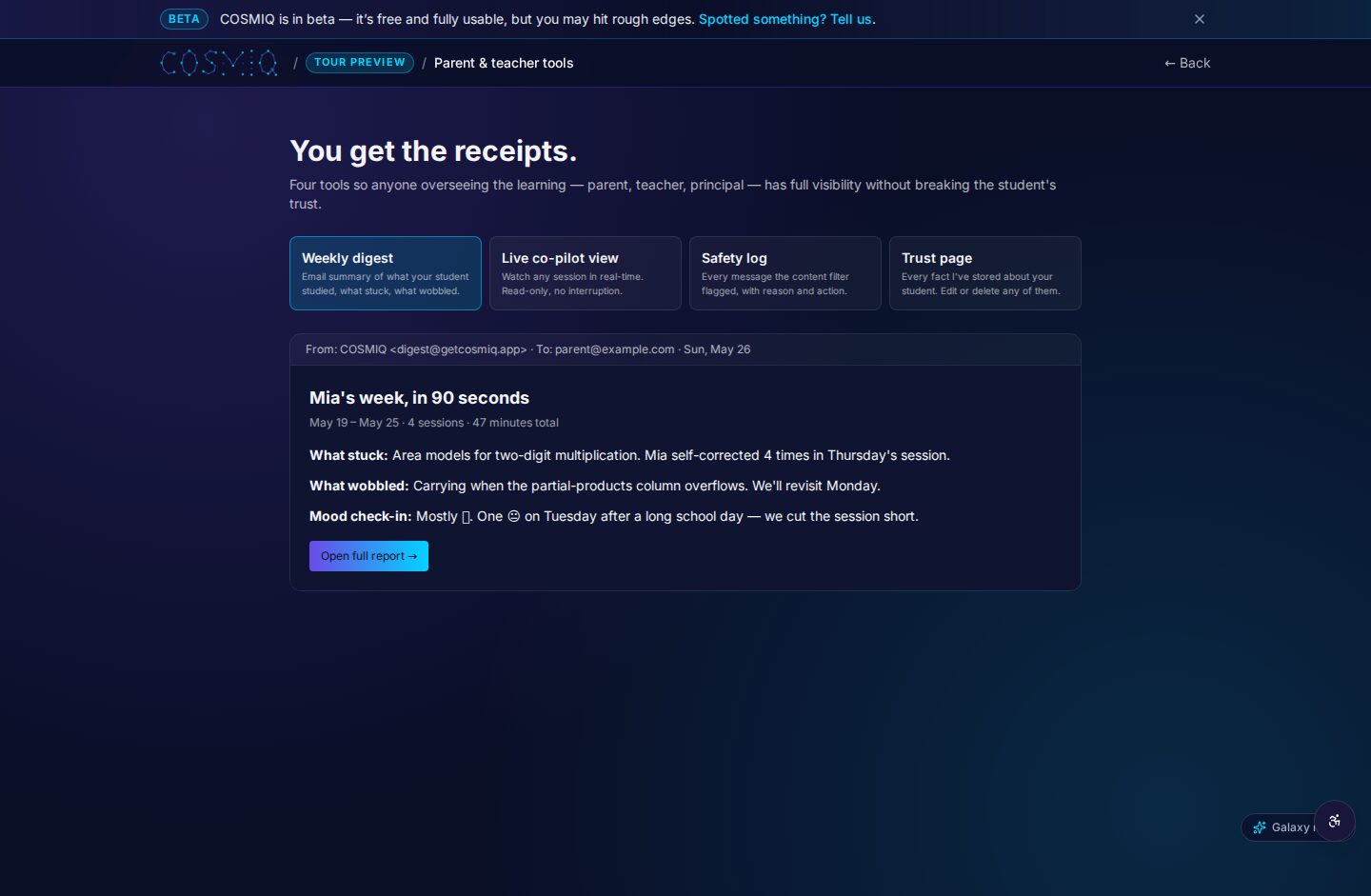
- Personalized Skill Development: Identifying individual learning gaps and recommending resources to build in-demand skills.
- Interactive Career Exploration: Offering engaging ways to research industries, understand job requirements, and even simulate aspects of different roles.
- Access to Information: Providing up-to-date data on labor market trends and educational pathways in an easily digestible format.
- Self-Reflection Tools: Guiding students through exercises to better understand their strengths, interests, and values.
Conclusion
The job market of 2026 and beyond will reward those who are adaptable, curious, and equipped with a strong understanding of themselves and the world around them. By prioritizing career literacy, we can empower students to not only navigate the evolving landscape but to actively shape their own fulfilling and impactful futures. It's an investment in their success, well-being, and the vitality of our future workforce.
Learn anything, free.
COSMIQ is a free, voice-driven AI tutor for every learner. No credit card, ever.
Start learning free →