Navigating Your Path: Top Master's in Special Education Programs for 2026-2027

Embarking on a Master's in Special Education is a significant step toward a rewarding career dedicated to supporting students with diverse learning needs. As the educational landscape evolves, so too does the demand for highly skilled and compassionate special education professionals. For those considering advanced studies for the 2026-2027 academic year, understanding what constitutes a strong program is key to making an informed decision.
Why Pursue a Master's in Special Education?
A master's degree in special education offers numerous benefits, both professionally and personally. It often leads to increased earning potential, opportunities for leadership roles, and a deeper understanding of pedagogical strategies tailored for diverse learners. More importantly, it empowers educators to advocate effectively for students and implement evidence-based practices that foster inclusive and equitable learning environments.
- Enhanced Expertise: Gain specialized knowledge in areas like learning disabilities, emotional and behavioral disorders, autism spectrum disorder, and gifted education.
- Career Advancement: Qualify for positions such as special education coordinator, diagnostician, behavior specialist, or curriculum developer.
- Impactful Contribution: Make a tangible difference in the lives of students and their families, helping to unlock their full potential.
- Professional Networking: Connect with peers, faculty, and professionals in the field, building a valuable support system.
Key Considerations When Choosing a Program
With many excellent programs available, selecting the right one requires careful thought. Here are crucial factors to consider as you research your options for 2026-2027:
Accreditation and Reputation
Ensure that any program you consider is accredited by a recognized agency. Accreditation signifies that the program meets rigorous standards of quality. Research the institution's overall reputation in education and specifically in special education. Look for programs known for their innovative approaches and strong faculty.
Curriculum and Specializations
Examine the program's curriculum closely. Does it align with your interests and career goals? Many programs offer specializations, such as:
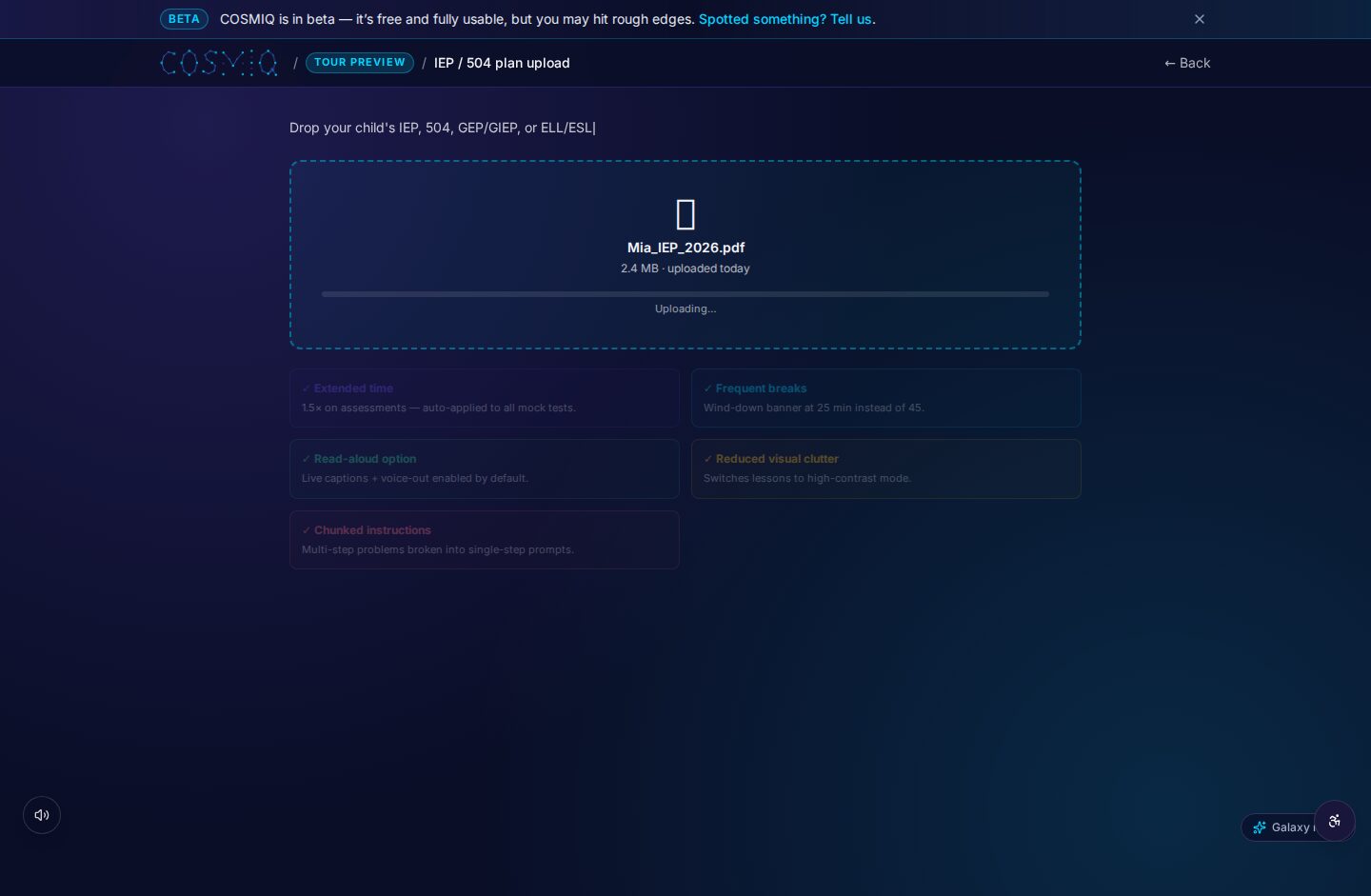
- Mild/Moderate Disabilities: Focusing on learning disabilities, ADHD, and high-functioning autism.
- Severe/Profound Disabilities: Addressing complex needs and multiple disabilities.
- Early Childhood Special Education: Concentrating on intervention and support for young children.
- Applied Behavior Analysis (ABA): Often leading to certification as a Board Certified Behavior Analyst (BCBA).
- Educational Diagnostician: Training in assessment and evaluation.
Consider whether the program emphasizes current research, technology integration, and culturally responsive teaching practices.
Faculty Expertise and Mentorship
The quality of the faculty can significantly impact your learning experience. Look for professors who are active researchers, experienced practitioners, and dedicated mentors. Investigate their areas of specialization and consider if they align with your interests. Opportunities for mentorship and collaborative research can be invaluable.
Practical Experience and Fieldwork
A strong Master's in Special Education program will offer robust practical experience. This often includes supervised fieldwork, internships, or practicum placements in diverse educational settings. Hands-on experience is crucial for developing the skills needed to work effectively with students, collaborate with families, and manage classrooms.
Program Format and Flexibility
Consider whether a traditional on-campus, hybrid, or fully online program best suits your lifestyle and learning preferences. Many universities offer flexible options to accommodate working professionals. Evaluate the program's duration, course load, and whether it allows for part-time study if needed.
Support Services and Resources
Investigate the support services available to graduate students, such as academic advising, career counseling, writing centers, and disability services. Access to extensive library resources, research labs, and assistive technology centers can also enhance your educational journey.
Preparing Your Application for 2026-2027
Once you've identified potential programs, begin preparing your application materials well in advance. This typically includes:
- Transcripts from all previous academic institutions.
- A compelling statement of purpose outlining your motivations and career aspirations.
- Letters of recommendation from professors or professional supervisors.
- Resume or CV detailing your educational and professional experience.
- Standardized test scores (e.g., GRE), if required by the program.
- Any specific essays or portfolios requested by the institution.
Choosing a Master's in Special Education program is a personal journey that requires thoughtful consideration. By focusing on accreditation, curriculum, faculty, practical experience, and program flexibility, you can find a program for the 2026-2027 academic year that not only meets your academic needs but also prepares you to become an impactful and compassionate leader in special education. The dedication you invest now will undoubtedly translate into a fulfilling career making a positive difference in the lives of countless students.
Learn anything, free.
COSMIQ is a free, voice-driven AI tutor for every learner. No credit card, ever.
Start learning free →