Nebraska AQuESTT Classification Predictor

Understanding how schools are assessed in Nebraska can be quite a journey. The AQuESTT framework, which stands for Accountability for a Quality Education System, Today and Tomorrow, aims to give a clearer picture of educational quality across the state. But how exactly does this classification system work, and what does it mean for schools, teachers, and students? If you’ve ever wondered how your local school stacks up or what those Nebraska school report cards really signify, you’re in the right place.
What is AQuESTT?
AQuESTT isn’t just another educational jargon term. It’s a comprehensive accountability system designed to assess and improve schools in Nebraska. Introduced to create a more holistic view of school performance, AQuESTT moves beyond traditional standardized test scores. Instead, it takes into account factors like student engagement, a supportive school environment, and the overall academic growth of students.
This system emphasizes five key principles: (1) college and career readiness, (2) student engagement, (3) educator effectiveness, (4) school improvement, and (5) accountability. By merging quantitative data with qualitative measures, AQuESTT provides a fuller picture of how well a school is preparing its students for the future.
For example, a school that prioritizes college readiness might implement advanced placement courses and initiate partnerships with local colleges, offering students early exposure to higher education. Through these initiatives, students not only learn more challenging material but also gain valuable insights into what it takes to succeed beyond high school.
How Schools Are Classified
Under AQuESTT, schools receive classifications based on their performance. These classifications range from ‘Excellent’ to ‘Needs Improvement.’ But how does a school earn these grades? The classification process involves analyzing various indicators that reflect different aspects of educational quality.
For example, a school might excel in student engagement metrics, showcasing how involved students are in their learning process. On the other hand, if a school struggles with academic achievement, it could see a lower classification. This multifaceted approach allows schools to identify strengths and areas for growth, ultimately benefiting students.
The classification isn’t static; it’s a reflection of ongoing evaluation. Schools may receive feedback and have the opportunity to improve their standings by addressing the areas identified as needing attention. For instance, a school that receives a 'Needs Improvement' classification might focus on building a curriculum that caters to different learning styles, ensuring all students have the support they need to succeed.
The Role of the Nebraska School Report Card
Enter the Nebraska school report card. This tool is essential for parents, educators, and community members. It provides a transparent view of a school’s performance based on the AQuESTT framework. The report card includes crucial information such as graduation rates, student enrollment figures, and achievement levels, all tied into easy-to-understand Nebraska school grades.
But the report card is more than just numbers. It’s a resource for families making decisions about their children’s education. For instance, if you’re moving to a new area, checking the Nebraska school report card can give you insight into which schools in your prospective neighborhood are thriving and which ones might need additional support.
Parents can also use the report card to engage in meaningful conversations with school officials. By having a firm grasp on the data, you can ask pointed questions about how the school is addressing specific challenges. This engagement can drive accountability and foster a more collaborative relationship between families and schools.
How to Interpret School Grades
When you look at Nebraska school grades, it’s essential to understand what they represent. An 'Excellent' rating doesn’t merely mean the school is perfect; it signifies that the school meets or exceeds expectations in multiple areas. Similarly, a 'Needs Improvement' classification indicates that there are specific challenges that the school is addressing.
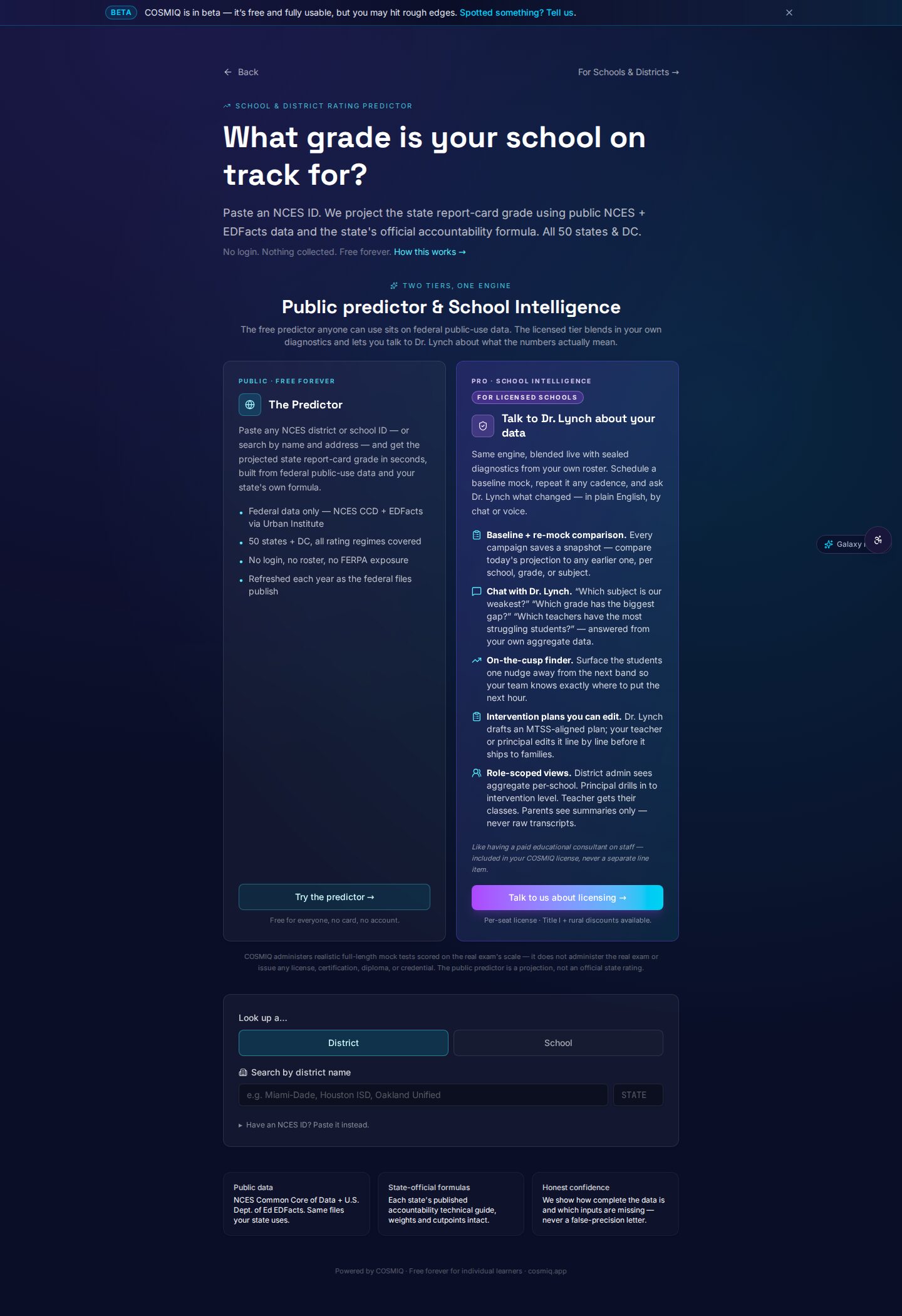
To interpret these grades effectively, you should look at them in context. For example, if a school has a lower grade but is actively implementing new programs to enhance student engagement or has a robust plan for improvement, it’s vital to recognize the progress being made.
It’s also helpful to compare schools within similar demographics to gauge their performance fairly. A school in a lower-income area may face challenges that a school in a more affluent neighborhood does not. By considering these nuances, you can better appreciate the efforts being made to improve educational outcomes.
Data-Driven Decision Making
One of the most significant benefits of the AQuESTT classification system is its emphasis on data. Schools are encouraged to use the insights derived from the Nebraska school report card to guide their decision-making. This data-driven approach enables schools to make informed choices about curriculum changes, resource allocations, and professional development for teachers.
For example, if the data shows a drop in student achievement in a particular subject area, a school might decide to invest in new teaching materials or provide additional training for educators in that subject. By focusing on data, schools can target specific issues and continually strive for improvement.
Moreover, data collection doesn’t end with just academic performance. Schools can analyze attendance rates, student behavioral incidents, and even community feedback to paint a comprehensive picture of their educational environment. This thorough examination allows for a more strategic approach to problem-solving.
Community Engagement and Support
AQuESTT also highlights the importance of community involvement in education. Schools that actively engage their communities typically see better outcomes. This could be through partnerships with local businesses, engaging parents in school activities, or fostering relationships with local organizations.
Consider a school that holds regular workshops for parents on how to support their children’s learning at home. Not only does this help improve student performance, but it also builds a sense of community and shared responsibility for educational success. When parents and community members are involved, schools can create a more supportive environment for students.
To further strengthen community ties, schools can host events that showcase student achievements, allowing families and local businesses to recognize and celebrate progress. These gatherings can also serve as platforms for feedback and collaboration, ensuring that the school remains attuned to community needs.
Future of AQuESTT and Its Impact on Education
As AQuESTT continues to evolve, it’s vital to consider its long-term impact on the education landscape in Nebraska. By focusing on a more comprehensive understanding of school performance, the state is setting a precedent for accountability that prioritizes student growth and well-being.
In the coming years, we can expect further refinements to the classification system, possibly incorporating more innovative metrics or expanding the criteria used for evaluations. As these changes unfold, it’s crucial for educators, parents, and community members to stay informed and engaged with the process. After all, the ultimate goal is to ensure that every student has access to a quality education that prepares them for success.
As part of this evolution, there’s a growing emphasis on mental health and emotional well-being in schools. Future iterations of the AQuESTT framework might incorporate measures that assess how effectively schools are supporting students' mental health. This shift acknowledges that educational success goes beyond academics.
Impact of Technology on AQuESTT Evaluations

In recent years, technology has transformed many aspects of education, and AQuESTT is no exception. Schools are now utilizing digital tools to enhance their teaching and evaluation processes. From online assessments to data analytics platforms, technology is enabling schools to gather information more efficiently and effectively.
For example, many Nebraska schools have adopted learning management systems that track student progress in real-time. This data allows educators to tailor instruction to meet individual student needs. As a result, schools can respond quickly to areas where students may be struggling, which can ultimately lead to improved Nebraska school grades.
However, it’s also important to consider the digital divide. Not every student has equal access to technology, which can impact their learning experience. AQuESTT may need to consider factors related to technology access and usage in future classifications, ensuring that all students have the tools they need to succeed.
The Importance of Teacher Development in AQuESTT Success
At the heart of any educational system are the teachers. AQuESTT recognizes that educator effectiveness is a critical component of student success. Professional development for teachers must be prioritized to ensure they are equipped with the latest pedagogical strategies and resources.
For instance, schools might implement ongoing training sessions that focus on new teaching methods or classroom management techniques. These programs not only enhance teacher skills but also positively impact student engagement and learning outcomes.
Moreover, teacher collaboration can foster a culture of continuous improvement. Schools that encourage teachers to share best practices and strategies often see a direct correlation with improved student performance. A strong professional learning community can lead to innovative solutions that address specific challenges within a school.
Local Initiatives and AQuESTT Success Stories
Across Nebraska, numerous local initiatives showcase the successful application of the AQuESTT framework. Schools that take a proactive stance in enhancing their educational offerings often find themselves on the path to higher classifications.
For example, a school in Omaha implemented a mentorship program pairing upperclassmen with freshmen. This initiative not only fostered a sense of belonging among students but also led to improved retention rates and academic performance. By using data from the Nebraska school report card, the school identified areas needing support and tailored programs accordingly.
Another success story comes from a rural school district that partnered with local businesses to create internship opportunities for students. This real-world experience not only prepared students for careers but also bolstered community ties, demonstrating AQuESTT’s emphasis on college and career readiness.
These initiatives highlight the potential for growth and improvement when schools embrace a collaborative, community-focused approach, aligning perfectly with AQuESTT's core principles.
In the end, whether you're a teacher, a parent, or just a concerned citizen, understanding how the AQuESTT classification system operates can empower you. You’ll be better equipped to advocate for your local schools, support educational initiatives, and contribute to an environment where every student can thrive. So, take a moment to explore the Nebraska school report card and see for yourself how your local schools are performing and what opportunities lie ahead.
Learn anything, free.
COSMIQ is a free, voice-driven AI tutor for every learner. No credit card, ever.
Start learning free →