NMIMS Enhances Undergraduate Learning with AI Integration: A Look at the Future of Education

The landscape of education is continuously evolving, and institutions worldwide are exploring innovative ways to prepare students for a rapidly changing world. SVKM's NMIMS (Narsee Monjee Institute of Management Studies) is at the forefront of this evolution, announcing the expansion of its AI-embedded learning initiatives to undergraduate education. This strategic move signifies a commitment to providing students with advanced learning tools and a more personalized, effective educational journey.
Integrating Artificial Intelligence into undergraduate curricula is not merely about introducing new technology; it's about fundamentally rethinking how students learn, how educators teach, and how institutions can foster an environment of continuous growth and adaptability. For students, this means access to resources that can adapt to their individual pace and style, offering tailored support and enriching their understanding of complex subjects.
What AI-Embedded Learning Means for NMIMS Undergraduates
The term 'AI-embedded learning' might sound complex, but its core purpose is to make education more accessible, effective, and engaging. At NMIMS, this expansion into undergraduate programs is likely to manifest in several practical ways:
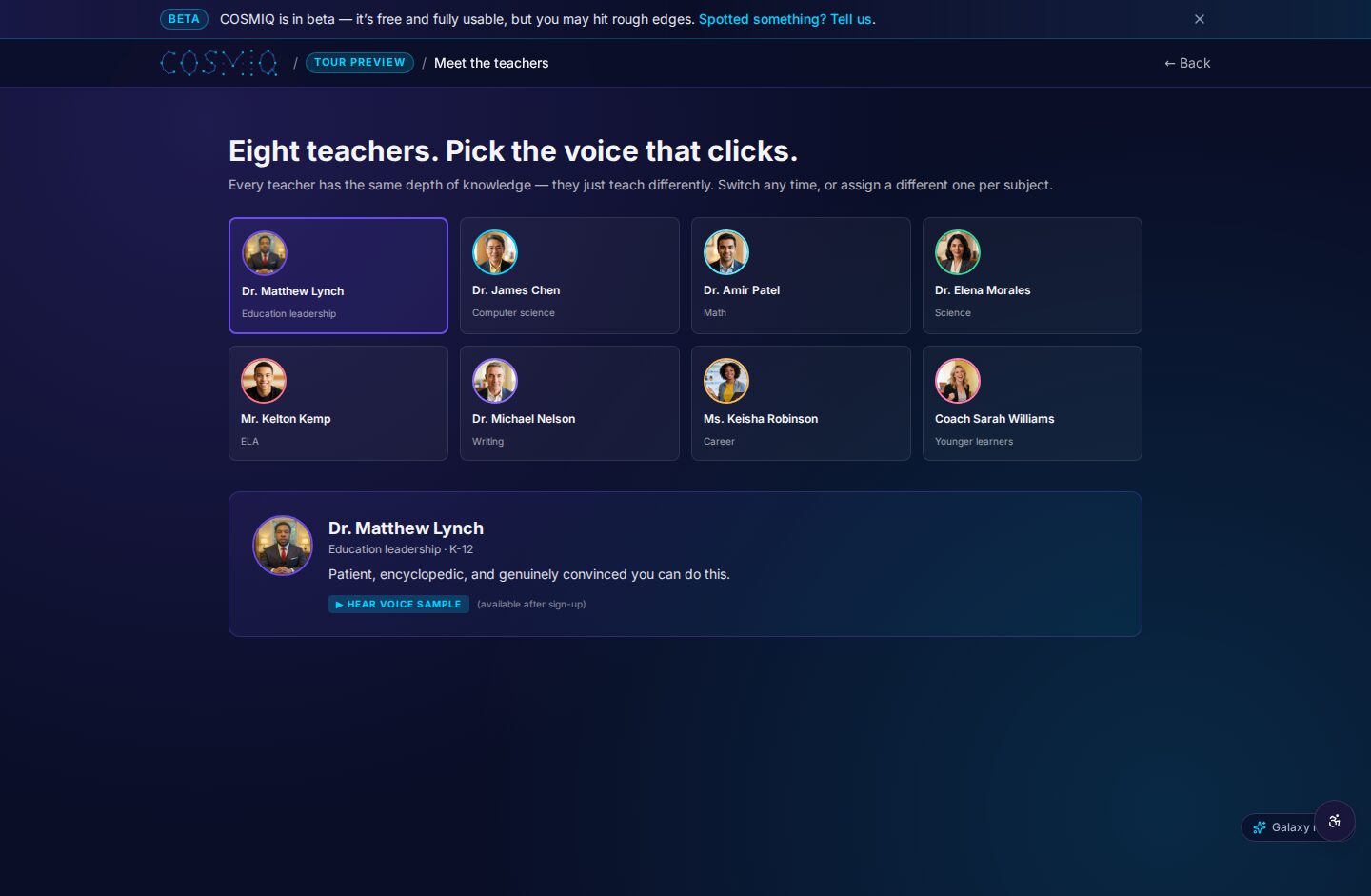
- Personalized Learning Paths: AI can analyze a student's performance, identify areas where they might struggle, and suggest additional resources or different approaches to a topic. This moves beyond a one-size-fits-all model, allowing each student to progress at their optimal pace.
- Intelligent Tutoring Systems: Imagine having access to an AI tutor that can answer questions, provide explanations, and even generate practice problems tailored to your needs. This can offer immediate support, especially outside of traditional classroom hours.
- Enhanced Content Delivery: AI can help in creating more dynamic and interactive learning materials, from adaptive textbooks that highlight key concepts based on student interaction to simulations that provide hands-on experience without physical limitations.
- Automated Feedback and Assessment: While human feedback remains invaluable, AI can assist in grading routine assignments, providing immediate feedback on quizzes, and even identifying common misconceptions across a cohort, allowing educators to address them proactively.
- Data-Driven Insights for Educators: AI tools can provide faculty with valuable insights into student engagement and learning patterns. This data can help educators refine their teaching methods, identify students who might need extra support, and optimize course content for better outcomes.
Preparing Students for the AI-Driven Future
Beyond enhancing the learning process itself, NMIMS's decision to embed AI into undergraduate education also serves a crucial purpose: preparing students for a future where AI will be an integral part of almost every industry. By interacting with AI tools throughout their academic journey, students will develop:
- Digital Literacy and AI Fluency: Understanding how AI works, its capabilities, and its ethical implications is becoming a foundational skill. Early exposure fosters comfort and competence.
- Critical Thinking and Problem-Solving: While AI can provide answers, the ability to formulate the right questions, interpret AI-generated insights, and apply them to real-world problems remains distinctly human and highly valued.
- Adaptability and Lifelong Learning: The rapid pace of technological change means that learning is a continuous process. Students who are comfortable with evolving tools and methods will be better equipped to adapt throughout their careers.
- Collaboration with AI: The future workforce will likely involve humans collaborating closely with AI. NMIMS's approach helps students develop this collaborative mindset from an early stage.
The Role of Educators and the Human Touch
It's important to emphasize that the integration of AI in education at NMIMS is not about replacing human educators. Instead, it's about empowering them. AI tools can free up educators from repetitive tasks, allowing them to focus more on:
- Mentorship and Guidance: Providing personalized support, fostering critical thinking, and nurturing creativity – aspects where the human touch is irreplaceable.
- Designing Innovative Learning Experiences: Leveraging AI to create richer, more engaging, and more effective curricula.
- Addressing Complex Needs: Focusing on students who require specialized attention, emotional support, or advanced intellectual challenges.
- Facilitating Discussions and Collaboration: Guiding students through complex ethical considerations and fostering collaborative learning environments.
The expansion of AI-embedded learning at NMIMS represents a thoughtful approach to modern education, recognizing the transformative potential of technology while upholding the essential role of human interaction and guidance.
Looking Ahead to 2026 and Beyond
As NMIMS rolls out these initiatives, the academic year 2026-2027 and beyond will likely see a generation of graduates who are not only knowledgeable in their chosen fields but also adept at leveraging advanced technologies. This proactive step by NMIMS is a testament to its commitment to educational excellence and its vision for preparing students to thrive in an increasingly AI-driven world. The benefits of personalized learning, enhanced engagement, and future-ready skills will undoubtedly shape the experiences of NMIMS undergraduates for years to come.
Learn anything, free.
COSMIQ is a free, voice-driven AI tutor for every learner. No credit card, ever.
Start learning free →