Nonverbal Communication Challenges in Students with Autism

Understanding Nonverbal Communication
Nonverbal communication plays a crucial role in our daily interactions. Think about it: body language, facial expressions, gestures, and eye contact all send powerful messages. But for students with autism, these nonverbal cues often pose significant challenges. Many may struggle to interpret the subtle nuances of social interactions, which can lead to misunderstandings and isolation. This article explores the nonverbal communication challenges faced by students with autism and how educators and peers can help bridge the gap.
The Nature of Autism and Its Impact on Communication
Autism Spectrum Disorder (ASD) is a developmental disorder that affects how a person thinks, interacts, and experiences the world. While each student with autism is unique, many share common communication hurdles. These can manifest in a variety of ways, especially when it comes to nonverbal communication. For instance, a student may not make eye contact, which can be perceived by others as disinterest or rudeness, when in fact, it might be a coping mechanism or a result of sensory overload.
Additionally, students with autism might not recognize or respond to social cues. For example, if a classmate smiles to invite friendship, a student with autism may not understand this gesture and miss the opportunity for connection. This misunderstanding can lead to feelings of loneliness and frustration, both for the student with autism and their peers.
Common Nonverbal Communication Challenges
One significant challenge for students with autism is the interpretation of facial expressions. Research shows that many individuals on the spectrum have difficulty recognizing emotions such as happiness, sadness, anger, or confusion from facial cues. Imagine trying to engage in a conversation while struggling to understand if your peer is pleased or upset. This barrier can create awkward situations and further isolate students.
Another challenge lies in gestures and body language. Simple actions, like a thumbs-up or nodding, can convey meaning that might be easily understood by neurotypical students. However, for students with autism, these gestures can be ambiguous or overlooked altogether. Furthermore, understanding personal space can also be tricky. What might feel like a natural distance to some could be perceived as intrusive by someone with autism.
In addition to these challenges, students with autism may also struggle with the dynamics of timing in communication. Timing can be crucial in social interactions; for example, knowing when to respond in a conversation or recognizing when someone is finished speaking. A student might miss cues indicating that it's their turn to speak, leading to interruptions or delays in the conversation. This can further impact their social relationships, making them feel excluded from group dialogues.
The Role of Educators in Addressing These Challenges
Educators play a vital role in supporting students with autism as they navigate these complex communication challenges. One effective approach is to incorporate explicit teaching of nonverbal cues into the curriculum. Rather than assuming students will pick up on body language through observation, teachers can model these behaviors and discuss their meanings. For example, during a lesson on emotions, showing various facial expressions and asking students to identify them can be beneficial.
Additionally, creating a supportive classroom environment that encourages peer interaction is essential. Group activities can provide opportunities for students with autism to practice their nonverbal communication skills in a safe setting. Pairing students with neurotypical peers can facilitate modeling of appropriate responses and gestures, helping them learn in a natural context.
Another method educators can employ is to utilize video modeling. By showing students videos of social interactions and discussing the nonverbal cues displayed, teachers can create a rich learning experience. Students can analyze what body language indicates and how it relates to the emotions being conveyed. This method not only enhances recognition but also allows students to visualize appropriate responses.
Furthermore, integrating role-playing scenarios into lessons can allow students to practice their nonverbal communication skills in a structured environment. For example, teachers can set up a mock social gathering where students must greet one another, use appropriate body language, and interpret facial expressions. This hands-on practice can significantly boost their confidence and help solidify what they’ve learned.
Peer Support and Understanding
Encouraging understanding and empathy among peers is equally important. When fellow students are educated about autism and its communication challenges, they can become allies rather than barriers. Schools can implement awareness programs or workshops that foster inclusivity. For instance, activities that promote teamwork and discuss differences can help normalize diverse communication styles.
Role-playing exercises can also be effective in helping neurotypical students understand how to interact with their classmates who have autism. By experiencing and discussing scenarios where nonverbal cues may be misinterpreted, students can gain valuable insights into the perspective of their peers. This not only helps in reducing stigma but also builds a more compassionate school community.
Consider implementing a buddy system where neurotypical students are paired with those on the spectrum for specific activities, such as group projects or sports. This structured partnership can foster understanding and encourage the practice of nonverbal communication skills in a supportive setting. Both students can learn from one another, enhancing their social experiences.
Utilizing Technology to Enhance Communication
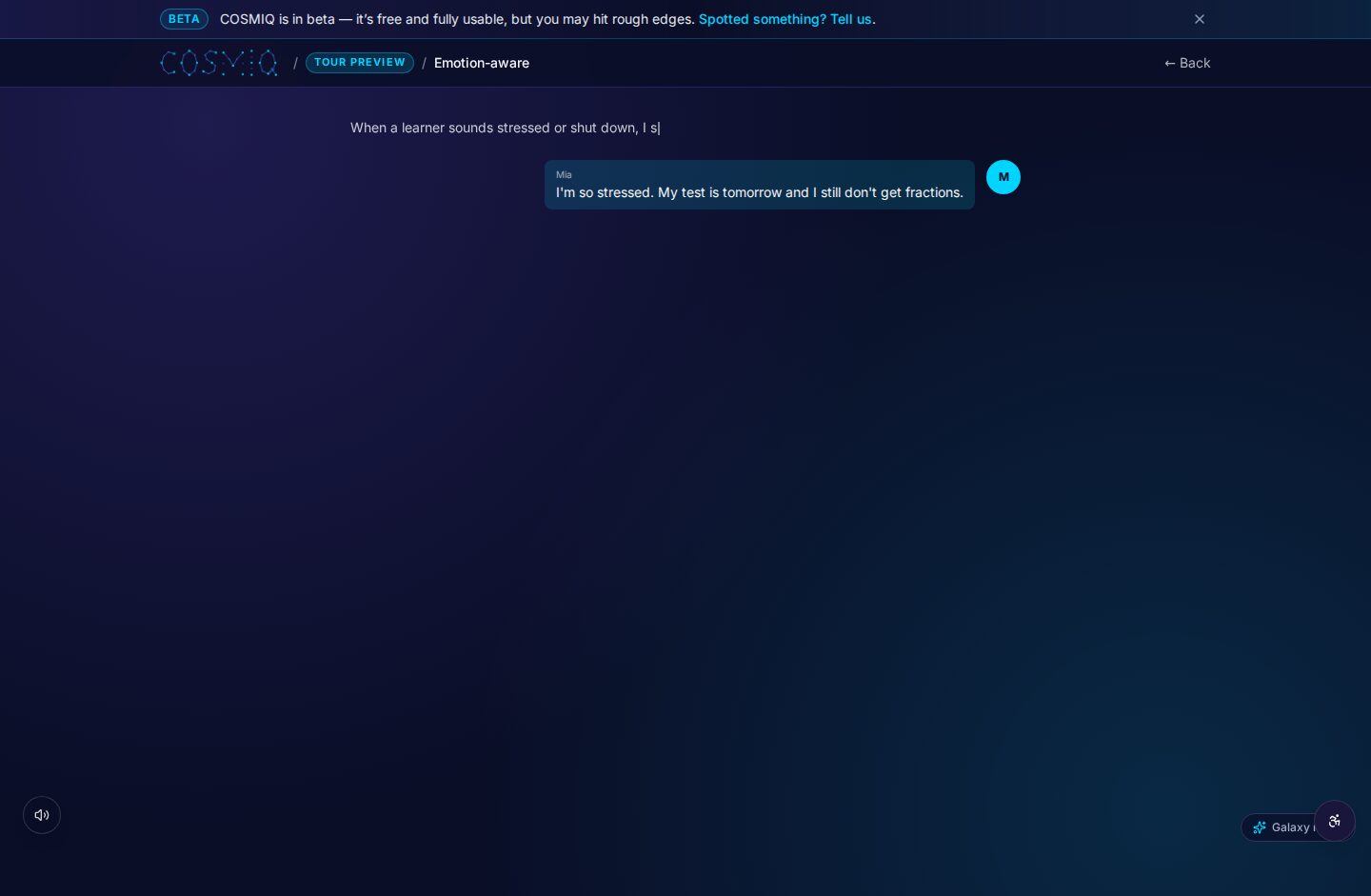
In recent years, technology has emerged as a powerful tool to assist students with autism in overcoming nonverbal communication hurdles. Various apps and software can help students recognize emotions, practice social interactions, and even simulate real-life situations. For instance, programs like Cosmiq can provide visual aids and interactive scenarios that guide students through the nuances of nonverbal communication.
These technological tools can help bridge the gap between theory and practice. By engaging with apps that simulate social situations, students can practice reading body language and facial expressions in a controlled environment. This practice builds confidence and helps them apply these skills in real-life interactions. For instance, a student might use an app to identify a range of facial expressions, and then engage with peers in person to test their understanding.
Additionally, using video conferencing tools for remote learning can help students practice nonverbal cues in a virtual setting. For example, engaging in video calls allows students to see facial expressions and body language in real-time. Educators can guide discussions about the nonverbal elements of communication observed during these interactions.
These technologies can also provide parents and educators with valuable feedback. By tracking progress through various apps, caregivers can identify areas where the student excels and where they may need further assistance, allowing for tailored support.
Creating a Structured Environment for Social Interaction
Structure is often beneficial for students with autism. Providing a predictable environment can help reduce anxiety, making it easier for them to engage in social situations. Setting up specific times during the day for social interaction, such as designated group activities or buddy systems, can create opportunities for practice.
Creating visual supports, like social stories or cue cards, can also aid students in understanding expected nonverbal behaviors. These resources can serve as reminders of what to look for during interactions and how to respond appropriately. For instance, a visual chart showing different facial expressions alongside their meanings can be a handy reference for students.
Moreover, utilizing a consistent routine can help students feel more comfortable navigating social settings. For example, if students know they have specific social activities every Friday, they can prepare themselves mentally for those interactions. This predictability can help alleviate anxiety and improve engagement.
Also, consider incorporating mindfulness activities into the daily schedule. Simple breathing exercises or guided relaxation techniques can help students manage stress and refocus their attention. A calm mind can enhance their ability to notice and respond to nonverbal cues.
The Importance of Family Involvement
Family plays a critical role in the development of communication skills in students with autism. Parents and caregivers can reinforce learning that takes place at school by practicing nonverbal communication skills at home. This consistency helps solidify understanding and provides a safe space for students to experiment without the fear of judgment.
Consider a situation where a parent incorporates games that involve nonverbal cues, such as charades. Not only does this promote fun and engagement, but it also teaches children to recognize gestures and facial expressions in a relaxed environment. Family members can also encourage discussions about emotions during everyday activities, prompting children to reflect on how they and others feel in various situations. This lays the groundwork for effective communication.
Family outings can also serve as valuable opportunities for practicing nonverbal communication. Whether at a park or a family gathering, parents can point out and discuss various nonverbal cues observed in others. This real-world context allows students to apply their learning and gain confidence in interpreting social situations.

Additionally, parents can collaborate with teachers to ensure that strategies used in the classroom are mirrored at home. Joint communication between educators and families can create a cohesive support system that maximizes learning outcomes.
Adapting Learning Styles to Foster Communication
Every student has a unique learning style, and this is especially true for students on the autism spectrum. Adapting teaching methods to accommodate different learning preferences can significantly enhance their ability to understand nonverbal communication. Some students may respond better to visual aids, while others may thrive in hands-on learning environments.
For example, using visual storytelling techniques can help students grasp complex social situations. By illustrating scenarios with pictures or videos, educators can create relatable contexts that make it easier for students to identify and interpret nonverbal cues. Pairing visuals with real-life examples, like analyzing scenes from movies or everyday interactions, can provide concrete references that resonate with students.
Additionally, consider utilizing sensory materials that engage students on multiple levels. Tactile objects or interactive activities can enhance learning by appealing to different senses. For instance, using puppets to act out social situations can encourage active participation while illustrating nonverbal responses.
Regular assessments of student progress are essential to tailor methods effectively. By observing which techniques resonate most with individual students, educators can refine their approaches to ensure maximum engagement and understanding.
Building Self-Advocacy Skills
An often-overlooked aspect of supporting students with autism is fostering self-advocacy skills. Encouraging students to express their needs and challenges regarding communication can empower them. When students are taught how to articulate their experiences, they can better navigate social situations and communicate their feelings or frustrations.
Self-advocacy can involve role-playing exercises where students practice stating their preferences or asking for clarification during conversations. For instance, if a student feels overwhelmed by too much eye contact, they can learn to convey this to their peers in a respectful way. Over time, these skills can enhance their social interactions and help reduce misunderstandings.
Creating a safe space for students to voice their feelings is crucial. Schools can implement a peer support group where students can share experiences and discuss challenges in a non-threatening environment. This not only promotes self-advocacy but also fosters community among students with similar experiences.
Moreover, providing resources like visual or written guides can help students prepare for social interactions. These materials can outline how to express their needs clearly, which can alleviate anxiety and increase their comfort level in various social settings.
Conclusion: Building a Bridge of Understanding
Ultimately, addressing nonverbal communication challenges in students with autism requires a multifaceted approach. It’s about creating an environment where differences are recognized, understood, and celebrated. By supporting students with autism through targeted education, peer empathy, technology, and structured interactions, we can help them navigate the often complex world of social communication.
The journey toward effective nonverbal communication may be challenging, but it’s one worth undertaking. When we take the time to understand and support each other, we not only enrich the lives of students with autism but also foster a more inclusive and compassionate community.
Related resources: foster understanding and empathy among peers
Learn anything, free.
COSMIQ is a free, voice-driven AI tutor for every learner. No credit card, ever.
Start learning free →