NVLD: A Step Closer to Recognition in the DSM, What It Means for Learners

Understanding NVLD: More Than Meets the Eye
For many years, Non-Verbal Learning Disability (NVLD) has been a challenging puzzle for educators, parents, and individuals alike. Often mistaken for other conditions like ADHD, autism, or anxiety, NVLD presents a unique profile of strengths and struggles. The NVLD Project, an organization dedicated to advocacy and awareness, recently announced a significant development: NVLD has been formally submitted to the Diagnostic and Statistical Manual of Mental Disorders (DSM) under the proposed name Developmental Visual Spatial Disorder.
This submission represents a crucial step toward broader recognition and understanding of NVLD. According to The NVLD Project, individuals with NVLD often excel in verbal skills, which can mask underlying difficulties in processing visual and spatial information. This discrepancy can lead to challenges in areas such as interpreting social cues, grasping the 'big picture' in situations, adapting to new environments, and navigating physical spaces. The organization highlights that this often results in misdiagnosis or a prolonged search for appropriate support, with many adults only discovering their NVLD later in life.
Why DSM Inclusion Matters for Students and Families
The DSM, published by the American Psychiatric Association, serves as the authoritative guide for mental health professionals in diagnosing conditions. Currently, NVLD is not included, which creates substantial hurdles for individuals seeking support. The NVLD Project emphasizes that without DSM recognition:
- Therapists lack a standardized diagnostic code for billing purposes.
- School counselors face limitations in developing Individualized Education Programs (IEPs) or 504 plans specifically tailored for NVLD.
- Colleges and workplaces may not have a clear basis to grant necessary accommodations.
- Researchers are often excluded from accessing federal and foundation grants essential for studying the condition.
The submission aims for inclusion in Section 3 of the DSM, a category reserved for conditions recommended for further study. While not full recognition in this edition, it is described by The NVLD Project as the formal pathway toward potential inclusion in future editions. Acceptance into Section 3 would be transformative, providing clinicians, counselors, and schools with the framework needed to diagnose NVLD, open discussions about effective treatment options, and make accommodations more accessible. It would also, crucially, unlock research funding that has been largely out of reach for decades.

The Impact on Learning and Support Systems
For students, particularly those in K-12, the potential for DSM recognition is immense. Imagine a student who articulates beautifully but struggles to organize their locker, understand non-verbal classroom cues, or follow multi-step visual instructions. Their strong verbal abilities might lead teachers to overlook their spatial and social challenges. With formal recognition, educators would have clearer guidelines for identifying and supporting these students. This could lead to more targeted interventions, such as those focusing on executive function skills, social pragmatics, and visual-spatial reasoning.
Parents often navigate a complex journey when their child faces learning differences. The NVLD Project points out that many families spend years chasing incorrect diagnoses. DSM inclusion would streamline this process, leading to earlier, more accurate diagnoses and allowing families to access appropriate resources sooner. This could reduce the emotional and financial strain often associated with seeking answers for undiagnosed conditions.
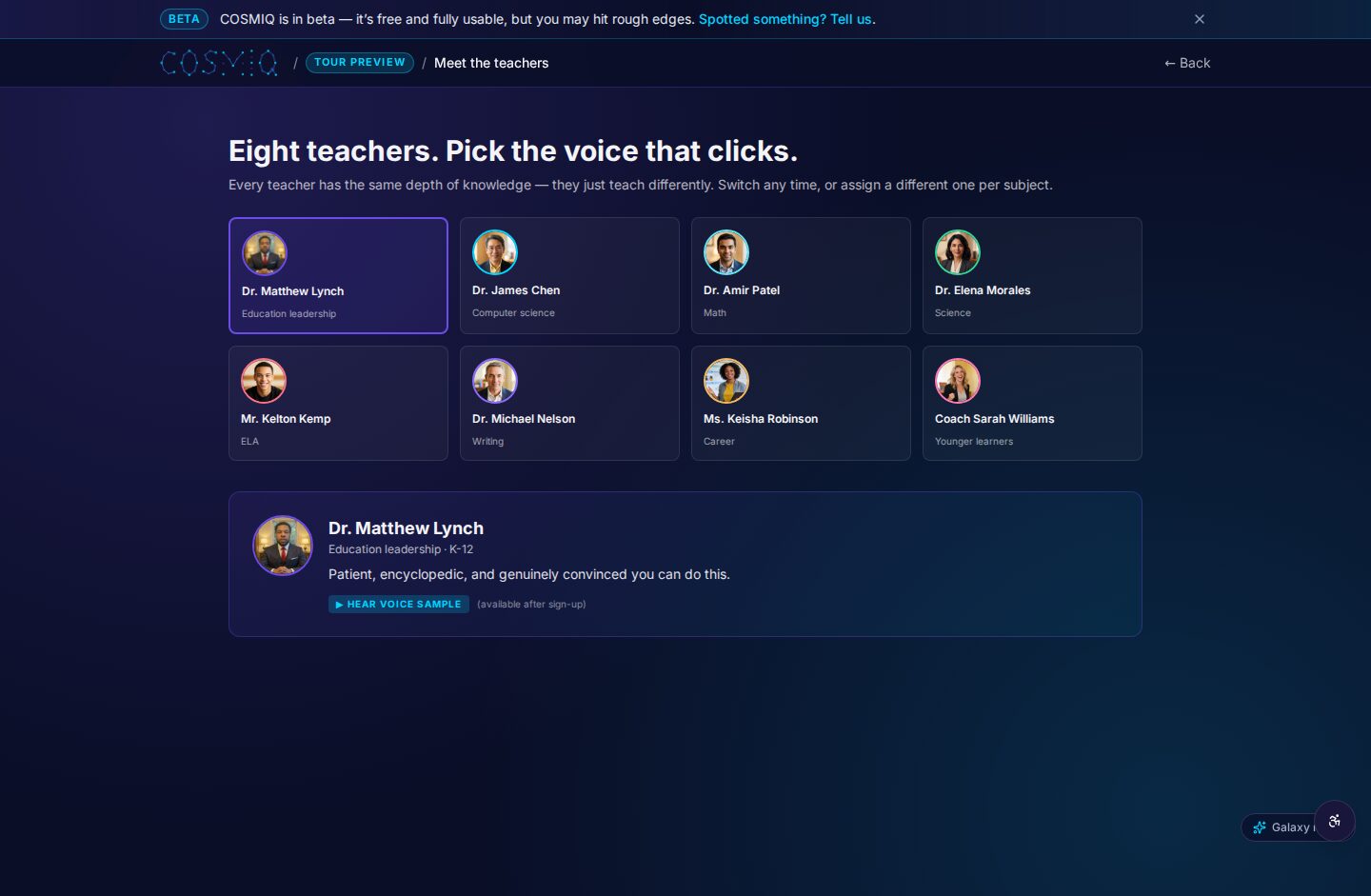
Resources like COSMIQ, a free voice-driven AI tutor, can offer supplementary support to students with diverse learning profiles. While not a diagnostic tool, platforms like COSMIQ can provide personalized practice and explanations, helping students reinforce concepts where they might struggle, whether it's understanding complex instructions or breaking down problems step-by-step. For students preparing for exams, COSMIQ's exam prep directory can also be a valuable tool, offering tailored assistance across various subjects.
Raising Awareness: The Path Forward
The NVLD Project underscores that awareness is paramount. High-profile individuals like Chris Rock, who publicly shared his NVLD diagnosis, and Gus Walz, whose parents (Governor Tim Walz and Gwen Walz) spoke about his NVLD at the 2024 Democratic National Convention, have brought national attention to the condition. These moments, according to The NVLD Project, have led to spikes in searches for NVLD, illustrating a significant public interest and a widespread lack of understanding.
Increased awareness can help destigmatize NVLD and encourage earlier identification. It can also empower individuals to advocate for themselves and their needs in educational and professional settings. For teachers, understanding the nuances of NVLD means being better equipped to differentiate instruction and create inclusive classroom environments. For parents, it means having the language and framework to discuss their child's needs with professionals.
Conclusion: A Brighter Future for Individuals with NVLD
The submission of NVLD to the DSM marks a pivotal moment for thousands of individuals who have navigated the world with this often-misunderstood learning difference. As The NVLD Project continues its advocacy, the educational community and families eagerly await the potential for formal recognition. This step promises to pave the way for more accurate diagnoses, tailored support, increased research, and ultimately, a better understanding and acceptance of Developmental Visual Spatial Disorder, ensuring that every learner has the opportunity to thrive.
Learn anything, free.
COSMIQ is a free, voice-driven AI tutor for every learner. No credit card, ever.
Start learning free →