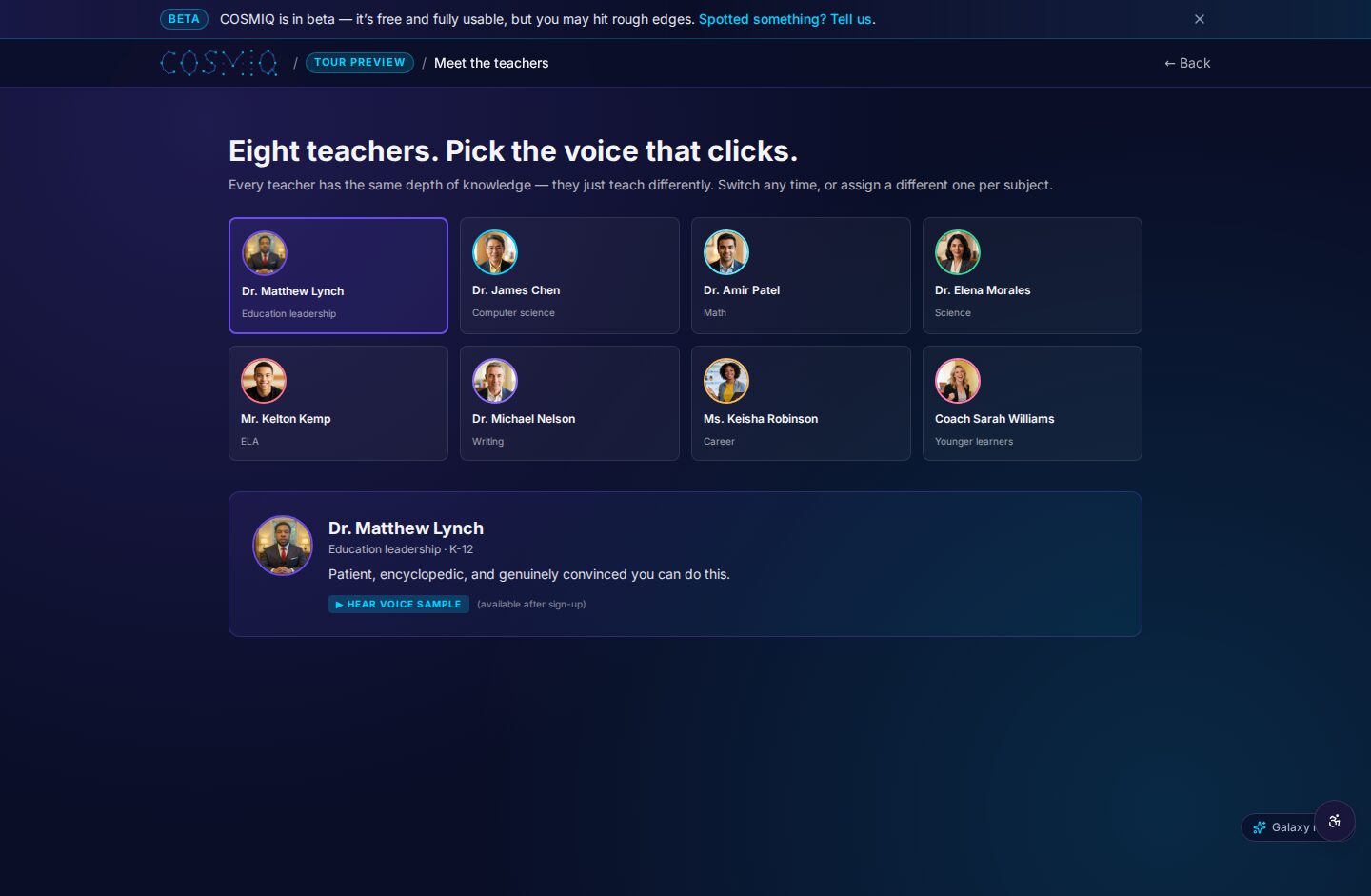
One App, Eight Teaching Styles: Find Your Match

Imagine trying to learn something new and feeling completely lost. You’ve read the books, watched the videos, but nothing seems to stick. Now, picture an app that adapts to your learning style, guiding you through the process in a way that clicks. That’s the promise of educational technology today. With the rise of AI tutors, the potential to find the perfect match for your learning style is right at your fingertips. In this article, we’ll explore the 8 AI tutor personalities that can help you master new subjects more effectively.
Understanding Learning Styles
Before we dive into the specifics of the 8 AI tutor personalities, let’s take a moment to discuss why learning styles matter. Each person processes information differently. Some of us are visual learners, soaking up knowledge through images, while others might prefer auditory methods, absorbing lessons through listening. Kinesthetic learners, on the other hand, need hands-on activities to grasp concepts. If you’ve ever struggled to learn something because the method just didn’t resonate with you, you know how crucial it is to find an approach that works.
Recognizing your learning style can significantly enhance your educational experience. It allows you to engage with material at a deeper level, making the learning process not only more effective but also more enjoyable. This is where AI tutors come in. By personalizing your learning experience based on your unique style, these apps can help you overcome obstacles and reach your goals faster.
The Visual Learner
If you find that diagrams, charts, and images help you understand concepts better, you might be a visual learner. AI tutors that cater to this style often incorporate graphics, animations, and videos into their teaching methods. For example, a visual learner studying biology could benefit from interactive diagrams that illustrate complex processes like cellular respiration or photosynthesis.
One popular AI tutor for visual learners is an app that uses infographics to summarize information. Instead of reading long paragraphs of text, you’d see colorful visuals that break down the content into digestible pieces. This method not only makes learning more engaging but also helps reinforce memory retention by creating a visual association with the concepts.
Additionally, these visual-centric apps often allow users to create their own mind maps or concept maps. Imagine being able to take the information you’ve just learned and visually arrange it in a way that makes sense to you. This not only enhances understanding but allows for easier recall when studying. The act of creating these visuals can itself be a powerful learning experience, as it forces you to engage with the material in a way that mere reading never could.
The Auditory Learner
Are you someone who learns best by listening? Auditory learners often thrive in environments where they can hear information rather than read it. This type of learner benefits from AI tutors that offer audio lessons, podcasts, and discussion formats. Imagine listening to a well-structured lecture while commuting. You can absorb the material without the need for visual aids.
An example of an AI tutor designed for auditory learners is one that offers immersive audio experiences. Think of it as your personal tutor who speaks directly to you, explaining concepts in a clear and engaging manner. You might be learning a new language through conversation practice, where the app mimics real-life dialogues, helping you grasp pronunciation and intonation naturally.
Moreover, many of these auditory-focused platforms provide features like speed control for their audio content. If you find that a standard pace is too slow or too fast, being able to adjust the speed means you can learn at a rate that feels comfortable for you. Some apps even allow for interactive quizzes that can be completed through voice commands, keeping you engaged and making the learning experience more immersive.
The Kinesthetic Learner
If you’re always fidgeting or tapping your foot during lectures, you might be a kinesthetic learner. This style thrives on movement and hands-on experiences. Traditional learning methods can feel restrictive, and that’s where AI tutoring can shine. Look for apps that incorporate interactive activities—like simulations or gamified learning modules—to cater to your need for action.
For instance, suppose you’re trying to learn physics. An AI tutor that uses simulations allows you to experiment with different variables, giving you the chance to see how they affect outcomes in real-time. This active involvement in your learning can lead to better understanding and retention of complex concepts. You’re not just passively absorbing information; you’re actively participating in your education.
In addition to simulations, some AI tutors offer augmented or virtual reality experiences. Imagine putting on a VR headset and stepping into a chemistry lab where you can mix substances and observe reactions, all from the comfort of your home. These kinds of immersive experiences can make the material come alive and create lasting memories associated with the concepts.
The Logical Learner
Do you love solving puzzles and need to understand the 'why' behind concepts? If so, you might identify as a logical learner. This type often excels in subjects like mathematics and science, where reasoning and critical thinking play a significant role. AI tutors that adopt a structured, analytical approach can be particularly beneficial for logical learners.
Consider an AI tutor that presents problems step-by-step, allowing you to explore various approaches to solutions. You might encounter challenges that require critical thinking, encouraging you to analyze different methods before arriving at a conclusion. This interactive problem-solving environment not only engages logical learners but also fosters a deeper understanding of the subject matter.
Additionally, many logical learning apps incorporate real-world problems that necessitate a logical approach to resolve. For example, instead of simply learning formulas, you might find yourself solving practical problems that require applying those formulas in real-life situations. This added context can deepen your understanding and make the material feel relevant.
The Social Learner
If you thrive in group settings and enjoy collaborating with others to learn, you’re likely a social learner. These individuals benefit from interaction and discussion, making AI tutors that offer community features particularly appealing. They can connect you with others who share your learning goals, creating a sense of camaraderie and motivation.
Imagine an app that allows you to join study groups or participate in discussions about various topics. You could engage in peer-to-peer teaching, where you explain concepts to others, reinforcing your understanding in the process. These social interactions can transform the often solitary experience of learning into a collaborative journey, enhancing your retention and enjoyment of the material.
Furthermore, some AI tutors incorporate gamification elements that allow learners to compete with friends or classmates. Think about earning points or badges for completing tasks or helping others. This competitive aspect can motivate you to engage more deeply with the material while also fostering a supportive community.
The Solitary Learner
On the flip side, some people prefer to learn independently. If you find that you focus better when you’re alone, you might identify as a solitary learner. This style thrives on self-paced study, and AI tutors that allow for personalized learning paths can be incredibly effective. You can work through material at your own pace, revisiting concepts as needed without the pressure of keeping up with others.
For solitary learners, an AI tutor that offers personalized quizzes and self-assessment tools can be a great fit. You might tackle practice questions to gauge your understanding, while the app analyzes your strengths and weaknesses, adapting the content to focus on areas where you need improvement. This tailored approach ensures that you’re making progress without feeling overwhelmed.
Moreover, some AI apps feature journaling capabilities that encourage solitary learners to reflect on their study sessions. You might have the option to record your thoughts after each lesson, which can help reinforce what you’ve learned and identify any lingering questions. This self-reflective practice not only deepens your understanding but also builds a habit of metacognition, where you learn to think about your own learning processes.
The Creative Learner
Creative learners often think outside the box and prefer unconventional methods of study. If you’re someone who enjoys exploring ideas through art, music, or creative writing, you’ll want an AI tutor that encourages this type of expression. These tutors can incorporate creativity into their lessons, making learning feel less like a chore and more like an exploration.
For example, imagine an AI tutor that includes creative projects as part of its curriculum. You might create a video presentation on a historical event or compose a song to summarize key points from a lesson. This not only reinforces what you’ve learned but also allows you to express yourself in a way that resonates with your personality.
Additionally, some creative-focused platforms allow you to collaborate on projects with other learners. You could team up with a fellow student to brainstorm ideas for a joint presentation or art piece. This collaboration can spark new ideas and lead to a richer learning experience, proving that creativity often flourishes in community.
The Reflective Learner
Finally, we have the reflective learner. If you often find yourself pondering over concepts and taking time to process information before jumping into action, this style may suit you. Reflective learners benefit from AI tutors that provide opportunities for introspection and deeper analysis. These tutors can incorporate study journals, prompts for reflection, and self-assessment tools to encourage thoughtful engagement with the material.
Consider an AI tutor that prompts you to write about what you’ve learned after a study session. You might reflect on how the material connects to your life or how it relates to previous knowledge. This process helps solidify your understanding while also allowing you to develop a more profound appreciation for the subject matter.
Moreover, some tutors allow you to revisit previous lessons and reflect on your growth over time. You could track your progress, see how your understanding has evolved, and identify areas where you may want to delve deeper. This kind of continuous reflection can foster a lifelong love of learning, as you begin to recognize education as a journey rather than a destination.
Finding Your Match
Now that you’re familiar with the 8 AI tutor personalities, you might be wondering how to find your ideal match. Start by taking a moment to reflect on your learning experiences. What methods have worked for you in the past? Do you prefer visuals, audio, or hands-on activities? Once you’ve identified your primary learning style, look for AI tutors that emphasize those approaches.
Many apps allow you to customize your learning experience, so don’t hesitate to explore options. Some even offer assessments to help you determine your learning style more accurately. Once you find an app that resonates with your style, give it a try. You might be surprised at how much easier and more enjoyable learning can be when it aligns with who you are.
Remember, the journey of learning is a personal one. It’s about discovering what works for you and tailoring your approach accordingly. With the right AI tutor personalities at your disposal, there’s no limit to what you can achieve. So, dive into this world of personalized education, and find the perfect companion on your learning journey.
The Future of AI Tutoring
As we look ahead, it’s clear that the landscape of education is shifting dramatically with the integration of AI. The 8 AI tutor personalities discussed aren’t just a novelty; they represent a significant advancement in how we approach learning. The technology behind these tutors is evolving, becoming more sophisticated and capable of understanding individual needs better than ever before.
AI tutors are increasingly being designed to not only recognize learning styles but also adapt in real-time. Imagine a tutor that adjusts its methods based on your engagement level. If you seem disinterested or struggle with a particular topic, the app might switch to a different teaching style that better fits your needs at that moment. This adaptive learning technology can provide a more seamless educational experience, ensuring you’re always receiving the support you require.
Moreover, the integration of AI into educational systems could lead to more equitable learning opportunities. Students in remote areas or those with limited access to traditional education resources can benefit from high-quality AI tutors. With just a smartphone or computer, they can engage with tailored content designed to meet their specific learning styles. This democratization of education is a powerful step toward bridging the gap between different learning environments.
Tips for Maximizing Your Learning with AI Tutors
To truly harness the potential of AI tutors, it's essential to be proactive in your approach. First off, set clear goals for what you want to achieve. Whether it’s mastering a new language, understanding complex math concepts, or preparing for an exam, having specific objectives will help you stay focused.
Next, take advantage of the feedback features most AI tutoring apps provide. Many of these platforms analyze your performance and offer insights into areas of strength and those needing improvement. By regularly reviewing this feedback, you can adjust your study habits and strategies accordingly.
Also, don’t hesitate to explore different AI tutor personalities beyond your primary learning style. Sometimes, mixing and matching different styles can lead to a richer understanding of the material. For example, if you’re primarily a visual learner, try incorporating auditory resources occasionally. You might discover new ways of understanding the material that you hadn’t considered before.
Lastly, stay engaged and curious. The more actively you participate in your learning, the more you’ll get out of your experience. Ask questions, seek out additional resources, and challenge yourself to step outside your comfort zone.
Learn anything, free.
COSMIQ is a free, voice-driven AI tutor for every learner. No credit card, ever.
Start learning free →