Online Kumon Alternative: Daily Practice Without the Monthly Bill

Understanding the Kumon Method
Kumon has been a household name in the world of supplementary education for decades. Parents are drawn to its structured approach to learning, especially in math and reading. The core idea? Students work at their own pace, tackling worksheets designed to reinforce skills and build independence. But what if you’re looking for a more flexible and affordable option? That’s where the concept of an online Kumon alternative comes into play.
The Kumon method is rooted in the belief that individuals learn best when they can progress at their own speed, mastering each concept before moving on. This not only builds confidence but also instills a sense of responsibility for one's own education. Since its inception, millions of students worldwide have benefited from this tailored approach. However, while many families embrace the benefits, the fixed schedules and costs can prove daunting. So, how do you achieve similar results without the traditional Kumon setup?
The Cost Factor
Let’s face it: traditional tutoring can be expensive. With Kumon, parents often find themselves paying a hefty monthly fee. Depending on the location, this can range from $100 to $200 or more. If you have multiple children, those costs can skyrocket quickly. Not everyone can afford to shell out that kind of cash regularly. What if you didn’t have to? What if you could access quality educational resources without the burden of a monthly bill?
This is where options like free Kumon-style programs come into play. Many parents are now turning to online platforms that offer similar content without the financial strain. These alternatives can provide the same level of practice as Kumon, but with a significant reduction in cost. You can find resources for math, reading, writing, and even science at little to no expense, allowing for a well-rounded educational experience.
Moreover, consider that many online Kumon alternatives also offer flexible payment structures, including pay-per-use or subscription models that are much more manageable. It’s worth exploring these options to find a balance that suits your budget while still giving your child the educational support they need.
Let’s not forget about the potential cost savings in other areas, too. Online platforms often eliminate commuting time, which means you can invest that time in actual learning. Plus, you’re saving on gas or public transport fares. Over time, these small savings can add up, making online learning not just a matter of convenience, but also of financial prudence.
Available Online Resources
The internet is a treasure trove of educational resources. From free worksheets to interactive games, finding quality materials for your child is easier than ever. Websites like Khan Academy, IXL, and numerous others offer a wealth of practice exercises and instructional videos. For math, these platforms allow students to learn concepts and then practice them at their own pace, just like in Kumon.
Khan Academy, for example, breaks down complex topics into digestible lessons. Your child can watch a video, take a quiz, and then immediately see where they need to improve. That instant feedback is crucial for learning. Imagine your child struggling with fractions; with an online platform, they can get targeted practice without the pressure of a classroom setting. This adaptability is especially beneficial for students with varying learning styles, allowing them to grasp concepts in a way that resonates with them.
Additionally, websites like Prodigy turn math practice into an engaging game. With a fantasy-style format, kids can level up their avatars by completing math problems. This gamification not only makes learning fun but also encourages them to practice regularly as they strive to achieve higher levels. The competitive aspect can also foster motivation, as they can see their progress in real time.
Beyond math and reading, there are platforms that cover a wide variety of subjects, including science and history. Websites such as National Geographic Kids and Mystery Science offer engaging content that can supplement what your child is learning in school. The diversity of resources available online means you can create a rich educational experience that caters to your child’s interests and needs.
Building a Daily Routine
Creating a consistent practice schedule is key. This is one area where the Kumon method shines, but it doesn’t have to be exclusive to it. You can structure your child’s day around educational activities without being tied to a schedule enforced by a tutor.
Start small. Set a goal for daily practice—maybe 15 to 30 minutes. Choose a time that works best for your family. Some kids learn better in the morning, while others may perform better in the evening. The flexibility of online learning means you can tailor this to your child’s natural rhythms. Establishing a routine is not just about daily practice but also about making it a part of their lifestyle.
Use a timer to keep practice sessions short and focused. This approach helps maintain their attention and makes it easier for you to track progress. As they build confidence, you can gradually increase the time or the complexity of the tasks. You might even consider integrating educational apps into their routine during downtime, such as car rides or waiting in line, to maximize learning opportunities.
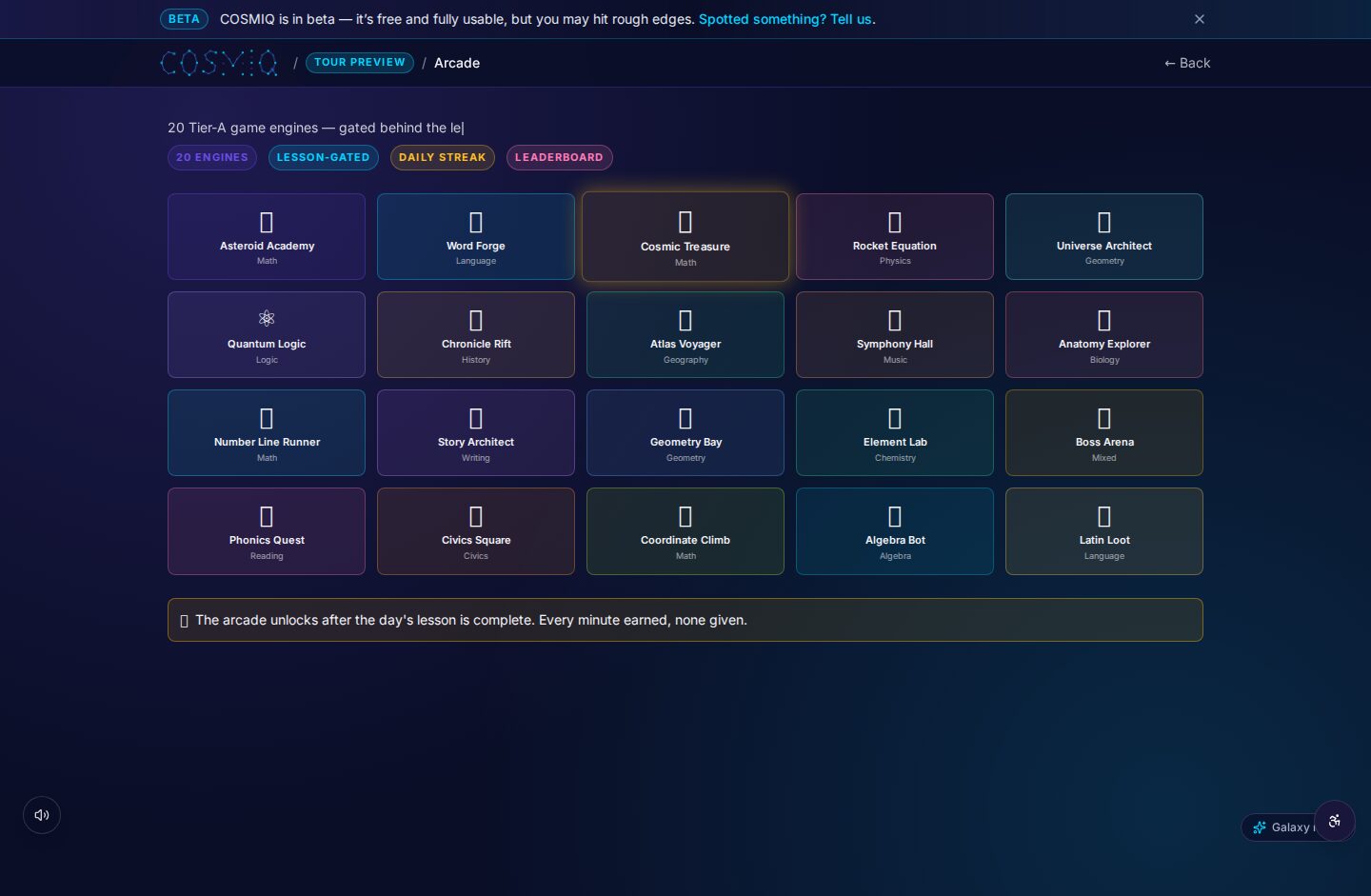
Creating a visual schedule can also be a great way to keep your child engaged and aware of their learning goals. Use a whiteboard or a chart where your child can see their objectives for the week. Marking off completed tasks can give them a sense of accomplishment and motivation to keep going. This simple visual cue can transform daily practice from a chore into a rewarding experience.
Tracking Progress
One of the hallmarks of Kumon is its emphasis on tracking progress. Students complete worksheets, and instructors assess their understanding before moving them to the next level. While you may not have an instructor, there are effective ways to monitor your child’s achievements with online alternatives.
Many online learning platforms come equipped with analytics. They can track how many problems your child has completed, what areas they struggle with, and how quickly they’re progressing through various levels. Use this data to adjust their practice regimen. If they’re breezing through addition, it might be time to introduce more challenging concepts. You can also set milestones to help your child visualize their progress, which can be a great motivator.
Another effective way to track progress is to keep a learning journal. Encourage your child to jot down what they learned each day, including any challenges they faced and how they overcame them. This practice not only reinforces their learning but also serves as a personal reflection tool that can boost confidence and self-awareness.
Consider taking it a step further by incorporating a reward system for reaching specific milestones. For example, after completing a certain number of exercises or mastering a challenging topic, you can plan a fun outing or give them a small gift. This not only makes learning engaging but also gives them tangible goals to work towards.
Engaging Your Child
Let’s not forget the importance of engagement. Kids can quickly lose interest if they find practice monotonous. The beauty of online resources is their ability to make learning fun. Gamified learning platforms like Prodigy or DreamBox turn math practice into an adventure. Your child can battle monsters or explore new worlds—all while honing their skills.
Incorporate rewards into the mix. Perhaps after a week of consistent practice, they can choose a fun family activity or a small treat. This positive reinforcement can be an excellent motivator. It makes the entire learning process feel less like a chore and more like a game. Even simple rewards, like stickers or extra screen time for completing their tasks, can boost their enthusiasm and commitment.
Additionally, consider themed learning days. For example, dedicate Fridays to fun science experiments or math games that align with what they’re currently studying. This variety keeps things fresh and can spark interest in new subjects or skills.
Engaging with other learners can also enhance motivation. Look for online study groups or forums where your child can connect with peers studying similar topics. This can provide a sense of community and encourage them to push each other to excel. You might even organize a virtual study session with friends, making learning a social activity.
The Importance of Parental Involvement
As a parent, your involvement can have a significant impact on your child's success. You don’t need to be a math whiz to support them, but showing interest in what they’re learning goes a long way. Ask them about the concepts they’re practicing or encourage them to teach you what they’ve learned. This not only reinforces their knowledge but also builds their confidence.
Be available for help when they struggle. There’s a learning curve with many online platforms, so being there to answer questions or guide them through challenging sections can make all the difference. This collaborative effort creates a positive environment that fosters a love for learning. Don't shy away from learning with them; sometimes, it’s fun to tackle challenges side by side.
Also, try to participate in their online learning sessions, especially during the initial stages. This involvement not only provides moral support but also gives you insights into how the platforms work. You can share tips, celebrate victories, and help them navigate any frustrations they might face. It’s about creating a shared experience where learning becomes a family affair.
Consider setting aside dedicated family learning time each week. This could be a couple of hours where everyone engages in educational activities, whether it’s reading books, conducting science experiments, or even solving math problems together. Having that shared focus on learning reinforces its importance and can be a lot of fun.
Balancing Screen Time with Other Learning Activities

While online learning can be incredibly beneficial, it's crucial to balance screen time with other forms of education and leisure. Engaging with physical books, participating in hands-on projects, or even incorporating outdoor learning experiences can diversify their educational exposure. Why limit learning to just the screen?
For instance, consider combining online math practice with cooking. When baking cookies, you can discuss measurements, fractions, and the science behind why certain ingredients react the way they do. It’s practical learning that showcases real-world applications of their studies. This not only reinforces their math skills but also makes learning relevant and enjoyable.
Science projects, nature walks for biology lessons, or even arts and crafts can reinforce the skills your child is practicing online. Creating a varied learning environment encourages curiosity and makes education an adventure. Kids thrive on exploration, and mixing in these hands-on activities can make it a lot more engaging.
Nature itself can be an incredible teacher. Plan outings to local parks, zoos, or museums, where your child can learn about wildlife, ecosystems, and history firsthand. These experiences can complement their online learning, providing context and making their education feel more connected to the real world.
Utilizing Community Resources
Don’t overlook the potential of community resources when seeking an online Kumon alternative. Libraries, community centers, and local organizations often offer free or low-cost educational programs. Many libraries host reading programs, tutoring sessions, and workshops that can serve as excellent supplements to your child’s online learning.
Local community centers may offer classes in various subjects, from art to robotics, providing hands-on experiences that online programs can’t replicate. Look out for special events such as science fairs, math competitions, or educational camps during summer break. These opportunities can enhance your child’s learning and give them a chance to socialize with peers.
Additionally, consider forming a learning co-op with other families in your neighborhood. You could rotate hosting study sessions, share resources, or even bring in guest speakers for specialized topics. This collaborative approach not only enriches your child’s learning but also fosters community ties.
Lastly, explore online platforms that connect learners with local mentors or tutors who can provide personalized instruction. While these options may come with a cost, they can be significantly more affordable compared to traditional tutoring and can provide a higher degree of flexibility.
Final Thoughts on Choosing the Right Path
Choosing an online Kumon alternative doesn’t mean sacrificing quality. It’s about finding the right fit for your family. With numerous resources available, it’s possible to create a personalized educational experience that accommodates your child’s learning style and your budget.
The freedom of online learning allows you to mix and match resources. You might use a free Kumon-style program alongside a paid subscription service to get the best of both worlds. Experiment with different platforms until you find what resonates with your child. Who knows? You might discover a hidden talent or passion you hadn’t considered before.
Remember that education is not a one-size-fits-all journey. Your approach should evolve as your child grows and their needs change. Stay flexible and open-minded, and don’t hesitate to adjust your methods when something isn’t working. The goal is to create a supportive learning environment that encourages curiosity and a love for knowledge.
In the end, the goal is the same: to foster a lifelong love of learning in your children. Whether through an online Kumon alternative or a blend of free resources, you can provide a supportive and enriching educational experience without the monthly bill. Education is a journey, filled with twists and turns, and your role in guiding your child through it is invaluable—make it a fun adventure.
Related resources: free Kumon-style program
Learn anything, free.
COSMIQ is a free, voice-driven AI tutor for every learner. No credit card, ever.
Start learning free →