Org-Wide Mock SATs and Diagnostics, Scheduled Centrally

Every student deserves a fair shot at college. And in our education system, standardized tests like the SAT play a significant role in college admissions. But how do you ensure your students are adequately prepared for such an important milestone? The answer lies in implementing effective assessment strategies. This article dives into the benefits of an org-wide mock SAT and district-scheduled diagnostics, detailing how they can enhance student performance and alleviate testing anxiety.
Understanding the Importance of Mock Tests
Mock tests are crucial for a number of reasons. To start, they provide students with a simulated testing environment, making it easier for them to acclimate to the pressure of a real SAT. Think about it: when you walk into a testing center for the actual exam, wouldn’t it be comforting to have already experienced a similar setup? Mock tests help in this regard.
Moreover, taking these practice exams aids in identifying specific areas of weakness. For instance, if a student consistently struggles with the math section, targeted instruction can be implemented to address these gaps before the real test. This proactive approach isn’t just beneficial; it’s essential for optimizing student outcomes. The district mock test campaign could be the key to making this happen.
Additionally, mock tests can help students develop essential test-taking strategies. Time management is a vital skill, and practicing under timed conditions can teach students how to pace themselves effectively. They learn to navigate through questions more swiftly and confidently, reducing the likelihood of spending too much time on challenging problems at the expense of easier ones.
Mock tests also serve a psychological purpose. They can alleviate anxiety by making the unknown familiar. Students often fear the SAT due to its high stakes. By participating in a mock test, they become more comfortable with the format, question styles, and timing, which can significantly decrease pre-test jitters. In essence, each mock test becomes a stepping stone towards mastering not just the content, but also the experience of test day.
Organizing an Org-Wide Mock SAT
An org-wide mock SAT is a centralized event that can unify students across various schools within a district. By scheduling these tests centrally, you create a standardized experience for all participating students. This means everyone is tested under the same conditions, making it easier to compare results and assess overall preparedness.
Also, when students from different schools come together for the mock SAT, it fosters a sense of community. They can share experiences, study tips, and support each other. This collaborative atmosphere can reduce anxiety and boost confidence, ultimately leading to better performance.
Planning an org-wide mock SAT involves multiple logistical considerations that are essential for success. For one, securing appropriate venues is crucial. The testing environment should be quiet, spacious, and conducive to focused work. Ideally, schools can use their gymnasiums or auditoriums, which often have the space to accommodate a large number of students. Additionally, proper staffing is needed to proctor the test effectively; having trained educators or volunteers present can help keep students calm and collected.
Technology plays a significant role in facilitating an org-wide mock SAT as well. Many districts are now utilizing online platforms for testing, which can streamline the process. By administering the test digitally, students receive immediate feedback, allowing them to reflect on their performance right away. This immediate response is beneficial because it encourages students to address their weaknesses sooner rather than later.
The Role of Diagnostics in Student Preparation
Diagnostic assessments serve a different but equally critical purpose. They help educators understand where students currently stand in their learning journey. With district-scheduled diagnostics, schools can pinpoint individual strengths and weaknesses at a granular level.
Imagine a scenario where a teacher identifies that a group of students is struggling with reading comprehension. Armed with this knowledge, they can adjust their teaching strategies, focus on specific skills, and even provide tailored resources. This personalized approach can significantly elevate student readiness for the SAT.
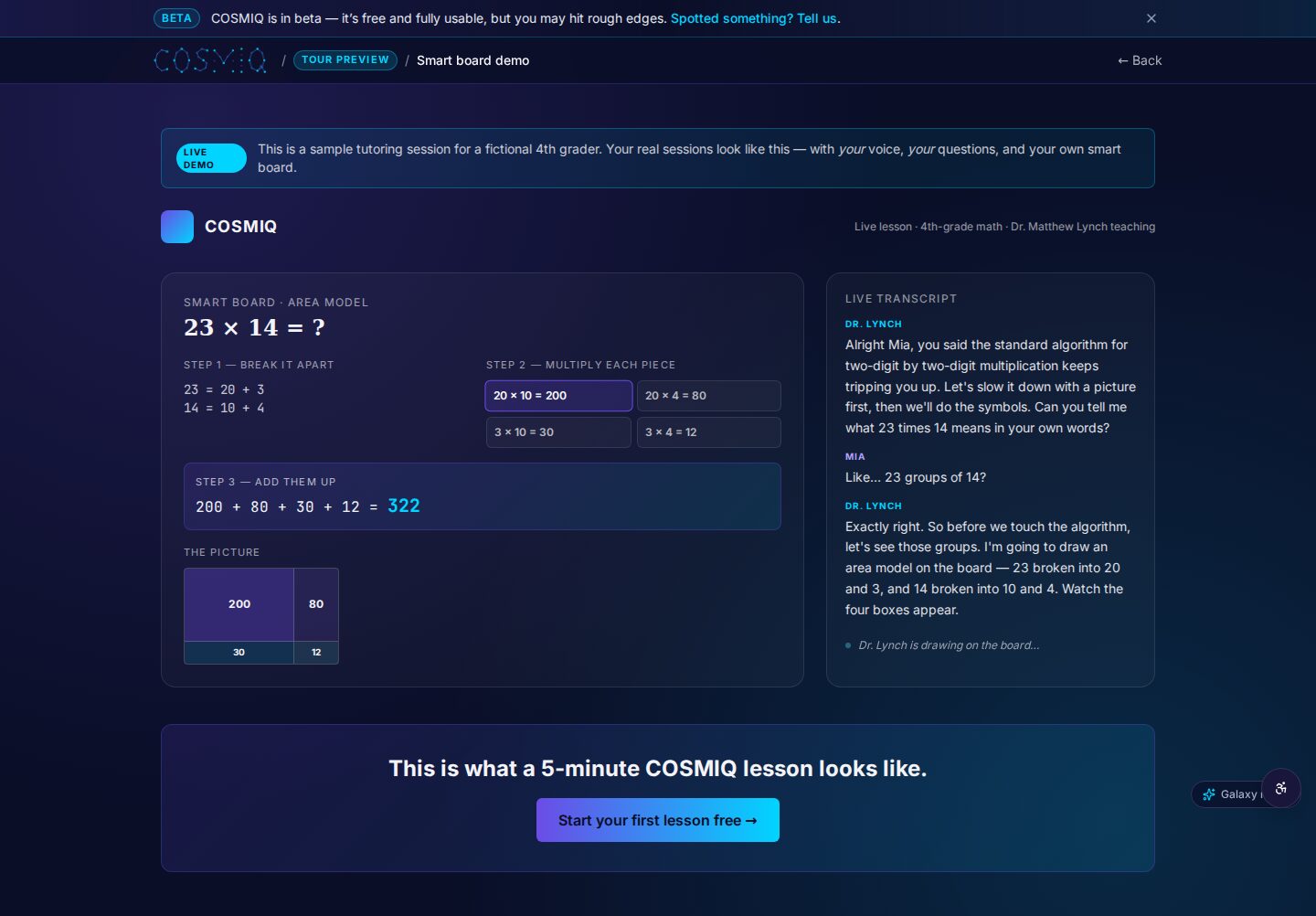
The value of diagnostics goes beyond identifying weaknesses. They also offer insight into students’ learning styles. For example, if many students struggle with verbal sections, educators can investigate whether the issue stems from a lack of vocabulary or comprehension skills. Understanding this can help teachers cater their lessons to better serve diverse learners. Diagnostic assessments are not just a one-time snapshot; they can be conducted periodically to track progress over time, ensuring that students are continually moving toward their goals.
Furthermore, diagnostics also empower students to take ownership of their learning. When students understand their performance metrics and what areas need improvement, they can set personal goals and aspire to work on those areas specifically. This self-awareness is a critical step in developing lifelong learning habits. It encourages a growth mindset, where students are motivated to view challenges as opportunities for growth.
Creating a District Mock Test Campaign
Launching a district mock test campaign requires careful planning and collaboration among educators, administrators, and students. Start by setting clear goals: what do you hope to achieve with this initiative? Is it improved scores? Higher college acceptance rates? Once you have a clear vision, you can begin to lay the groundwork.
Incorporate feedback from teachers and students alike. What do they need? What challenges do they face? This input is invaluable in shaping the campaign's structure. Perhaps it means offering additional resources, study sessions, or even inviting guest speakers to motivate students. The more involved everyone is, the more effective the campaign will be.
Building a communication plan is key. This ensures that all stakeholders know the timeline and expectations for the campaign. Regular updates can be shared through newsletters, school websites, and social media platforms. These communications should include success stories from previous campaigns—nothing is more motivating than hearing about a classmate who increased their score by 200 points after participating in mock tests!
Another essential element in this campaign is the inclusion of parent engagement. Hosting informational sessions can help parents understand the importance of mock testing and how they can support their students at home. Parents can help create a conducive study environment, encourage practice at home, and even help set up study schedules. The more everyone is on board, the more likely it is that students will thrive.
Leveraging Data from Mock Tests and Diagnostics
Data is your friend when it comes to understanding student performance. Once the org-wide mock SAT and district-scheduled diagnostics have been administered, take the time to analyze the results. Look for trends: are students generally stronger in math than in reading? Are there specific topics that seem to trip them up repeatedly?
Collecting and interpreting this data allows you to make informed decisions about curriculum adjustments and instructional strategies. If a significant number of students struggle with algebra, for example, that’s a clear indicator that your teaching methods may need a refresh. Use the insights gained from these assessments to drive improvement.
Moreover, using data effectively means breaking it down into actionable steps. For instance, if diagnostics indicate that many students struggle with specific algebraic concepts, consider offering focused workshops or after-school tutoring sessions dedicated to these areas. This targeted intervention can be pivotal, especially for those students who may not have the opportunity for extra help outside of school.
Additionally, data from mock tests can inform how teachers group students for different learning activities. For example, students who excel in certain areas can be grouped together for advanced enrichment activities, while those who need extra practice can be placed in smaller, targeted study groups. This creates a dynamic learning environment where each student can thrive according to their needs.
Building a Supportive Environment for Students
Preparing for the SAT doesn’t have to be a solitary journey. Encourage a supportive atmosphere among students, parents, and educators. Host workshops that offer tips and strategies for test-taking. Provide resources like study guides and practice questions.
Consider forming study groups where students can collaborate and help one another. This not only bolsters academic performance but also fosters relationships that can last well beyond the classroom. Poised in this environment, students are more likely to approach the test with confidence rather than dread.
Peer mentoring can also be an effective way to create a supportive environment. Pairing upperclassmen who have successfully navigated the SAT with underclassmen can provide valuable insights and encouragement. The mentors can share strategies that worked for them, help with difficult concepts, and even offer moral support leading up to the test.
Additionally, schools can consider offering wellness programs or stress management workshops to help students cope with test anxiety. Techniques such as mindfulness, meditation, and relaxation exercises can arm students with coping mechanisms that extend beyond the SAT, benefiting them in various aspects of life. When students feel supported both academically and emotionally, their performance can improve significantly.
Innovative Tools and Resources for Preparation
As technology continues to evolve, so do the tools available for SAT preparation. The advent of online platforms and apps has transformed the way students can study for their tests. Many of these tools provide adaptive learning experiences, which can be tailored to a student's specific needs.
For example, platforms like Khan Academy offer personalized learning plans based on diagnostic assessments. Students can practice specific skills at their own pace, receiving immediate feedback on their work. This allows for a more individualized approach to learning, one that standard study materials simply can’t match.
In addition, there are numerous mobile apps that provide on-the-go study opportunities. These apps can deliver practice questions, flashcards, and even video tutorials, making it easier for students to maximize their study time. Whether they’re on the bus or waiting for a class to start, they can continue honing their skills.
Moreover, gamification elements in these platforms can make studying more engaging. By incorporating game-like features, students can earn points and rewards as they progress, which can motivate them to study more diligently. Engaging content combined with flexibility can lead to a more positive learning experience, ultimately enhancing student readiness for the SAT.
Conclusion: Making the Most of Mock Tests and Diagnostics
The journey through standardized testing doesn’t have to feel like an insurmountable obstacle. By embracing org-wide mock SATs and district-scheduled diagnostics, schools can empower students to take charge of their learning. This structured approach lays the foundation for success.
Every student deserves the chance to excel, and with well-organized initiatives like these, you can provide them with the tools they need. An environment that supports students—both academically and emotionally—ensures that they are not only prepared for the SAT but for future challenges as well. So, let’s get to work. It’s time to prioritize these practices and watch as students transform their approach to testing—and their futures.
Related resources: district-scheduled diagnostic · district-scheduled diagnostic
Learn anything, free.
COSMIQ is a free, voice-driven AI tutor for every learner. No credit card, ever.
Start learning free →