PISA Findings on AI and Learning: A Closer Look at Student Performance

The integration of Artificial Intelligence into daily life, and particularly into education, has been a topic of enthusiastic discussion and sometimes, concern. As AI tools become more accessible, understanding their impact on student learning is paramount. The Organisation for Economic Co-operation and Development (OECD), through its Programme for International Student Assessment (PISA), has recently released findings that offer a valuable perspective on this evolving landscape. These insights prompt us to consider not just whether students are using AI, but how they are using it, and what that means for their academic journeys.
According to the latest PISA data, there appears to be a trend: students who utilize AI for their studies tend to exhibit lower academic performance compared to their peers who do not. This finding, while perhaps initially surprising to some, doesn't necessarily mean AI is inherently detrimental. Instead, it invites a deeper investigation into the specific ways AI is being employed and how those methods might be refined to genuinely support learning.
Understanding the PISA Findings: Correlation, Not Causation
It's crucial to interpret the PISA findings with care. The observation that students using AI for studying tend to perform worse suggests a correlation, but it doesn't automatically establish AI as the direct cause of lower performance. Many factors contribute to a student's academic success, and the manner in which AI is integrated into study routines could be one piece of a larger puzzle. For instance, if students are using AI to bypass the cognitive effort required for deep learning—such as generating answers without understanding the underlying concepts—it could naturally lead to weaker comprehension and retention.
The OECD's dedication to providing comprehensive data like this is invaluable for educators, parents, and students alike. It serves as a critical checkpoint, urging the education community to reflect on current practices and explore more effective strategies for AI integration. Rather than viewing AI as a universal solution or a universal threat, these findings encourage a nuanced approach that prioritizes genuine learning outcomes.
The Student Perspective: What Do Learners Truly Want from AI?
To understand how AI can better support students, it's helpful to hear directly from them. A recent survey conducted by Notability, a note-taking app, offers some intriguing insights into student preferences for AI tools. According to this survey of 503 students:
- A significant 47% expressed a desire for AI to help them organize their notes.
- In contrast, only 13% wanted AI to actually write their notes for them.
- A compelling 81% of students stated that they understand material better when they actively take notes.
These figures highlight a clear preference among students for AI to act as an organizational aid and a tool for process enhancement, rather than a replacement for active engagement. Kelsey Schroth, Director of Product at Notability, emphasizes this distinction, suggesting that AI should support the learning process instead of supplanting it. This perspective aligns with the idea that active participation, like note-taking, is fundamental to deeper understanding.
For parents and teachers, these insights are powerful. They suggest that guiding students to use AI for tasks like summarizing long texts, organizing research materials, or even generating practice questions could be far more beneficial than allowing AI to complete assignments wholesale. The goal should be to empower students to think critically and engage deeply with material, using AI as a sophisticated assistant rather than a substitute for their own intellectual effort.
Harnessing AI to Enhance, Not Replace, Learning
The PISA findings, complemented by student feedback, paint a picture of opportunity. The challenge lies in shifting the paradigm of AI use in education from a shortcut to a genuine learning accelerator. Here are some ways AI can be leveraged effectively:
- Personalized Learning Paths: AI can adapt to individual student needs, offering customized explanations, practice problems, and feedback, helping to fill knowledge gaps.
- Active Learning Support: Instead of writing notes, AI can help students organize their own handwritten or typed notes, create flashcards from key concepts, or even generate quizzes based on their study materials.
- Feedback and Refinement: AI can provide immediate feedback on essays or problem-solving approaches, allowing students to iterate and improve their work before final submission.
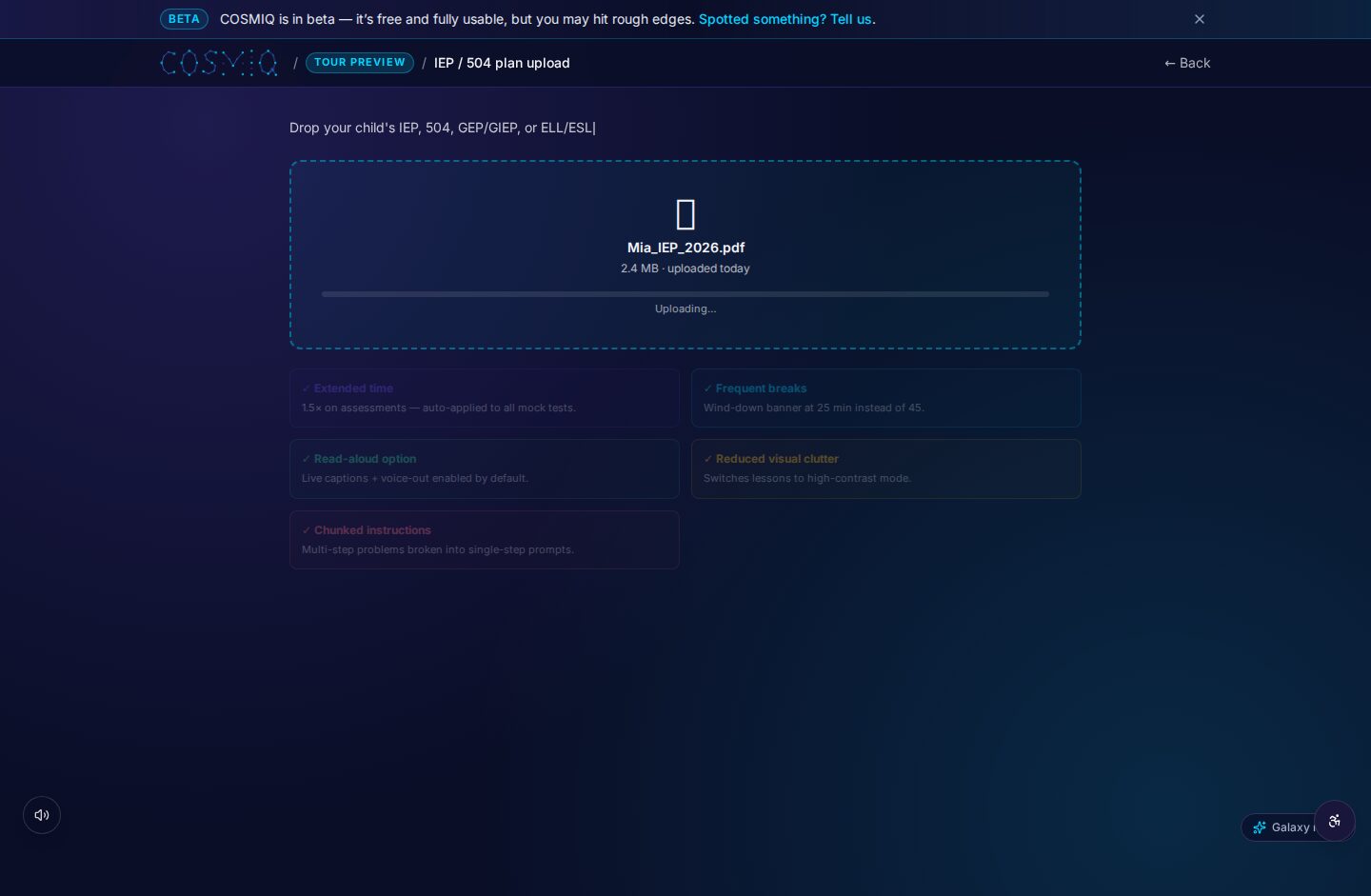
- Accessibility and Engagement: AI-powered tools can make learning more accessible for students with diverse needs and keep them engaged through interactive and adaptive content.
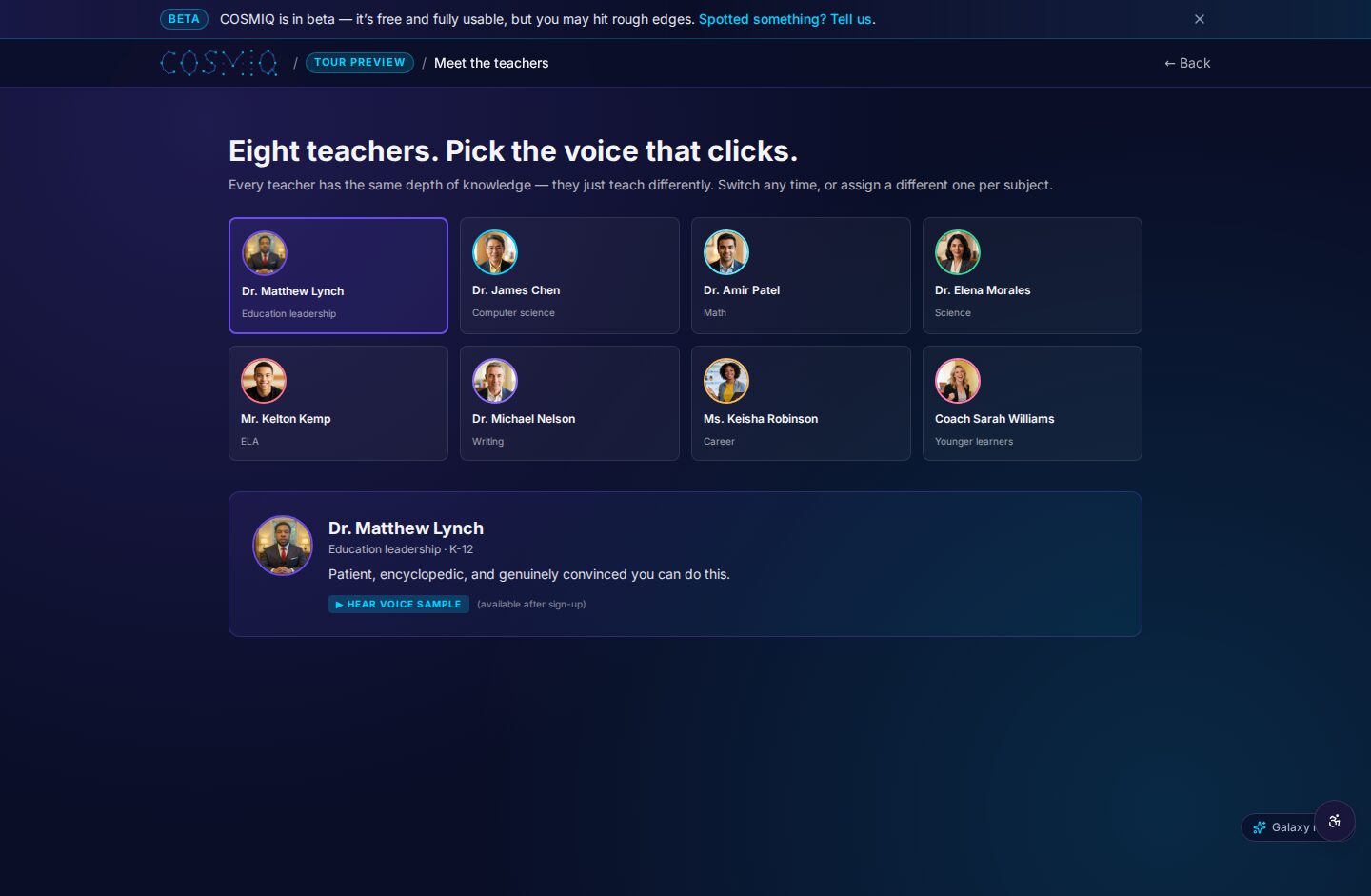
Platforms like COSMIQ offer free voice-driven AI tutoring, providing K-12 students with personalized support that encourages active learning and critical thinking. By engaging in conversational learning, students can ask questions, explore concepts, and receive immediate, tailored explanations, fostering a deeper understanding rather than simply providing answers. This kind of AI integration aims to support the student's journey, making complex topics more approachable and encouraging self-directed learning. You can explore more about how COSMIQ supports learning at COSMIQ or find practice resources at our free practice hub.
Conclusion: A Call for Thoughtful AI Integration
The PISA findings are a timely reminder that while AI holds immense potential for transforming education, its impact is largely determined by how we choose to wield it. The goal is not to fear AI, nor to uncritically embrace it, but to integrate it thoughtfully and strategically. By focusing on AI as a tool that supports active learning, critical thinking, and personalized instruction, we can help students harness its power to enhance their educational outcomes. The work of organizations like the OECD provides the crucial data needed to guide these important conversations and ensure that technology truly serves the best interests of learners worldwide.
Learn anything, free.
COSMIQ is a free, voice-driven AI tutor for every learner. No credit card, ever.
Start learning free →