Praxis Core vs. Praxis Subject Tests: What’s the Difference?

If you’re on the path to becoming a teacher, you’ve probably encountered the Praxis tests. For many, the questions emerge: What’s the difference between the Praxis Core and the Praxis Subject Tests? To clear things up, let’s break down what each test covers, who needs to take them, and how they can impact your teaching career.
Understanding the Praxis Core
The Praxis Core tests are designed to assess the fundamental skills in reading, writing, and mathematics that every prospective teacher should have. Think of it as the foundational block of your education. If you’re aiming for a teaching degree, most colleges will require you to take these tests before admission or during your program.
The Praxis Core consists of three separate exams: one for reading, one for writing, and one for mathematics. Each test has its own specific content and structure. For example, the reading test often includes comprehension passages, where you’ll need to answer questions based on the material. The writing test may assess your ability to craft a coherent essay based on given prompts. The math section typically covers basic arithmetic, algebra, and some geometry.
To illustrate, let’s break down the reading component further. You might encounter passages from various genres, including fiction, nonfiction, or even poetry. You’ll not only have to understand the content but also analyze the author’s purpose, tone, and the effectiveness of their arguments. Similarly, the writing portion might ask you to write a persuasive essay. Here, you’ll need to showcase your ability to construct a logical argument backed by evidence, which is an essential skill in teaching.
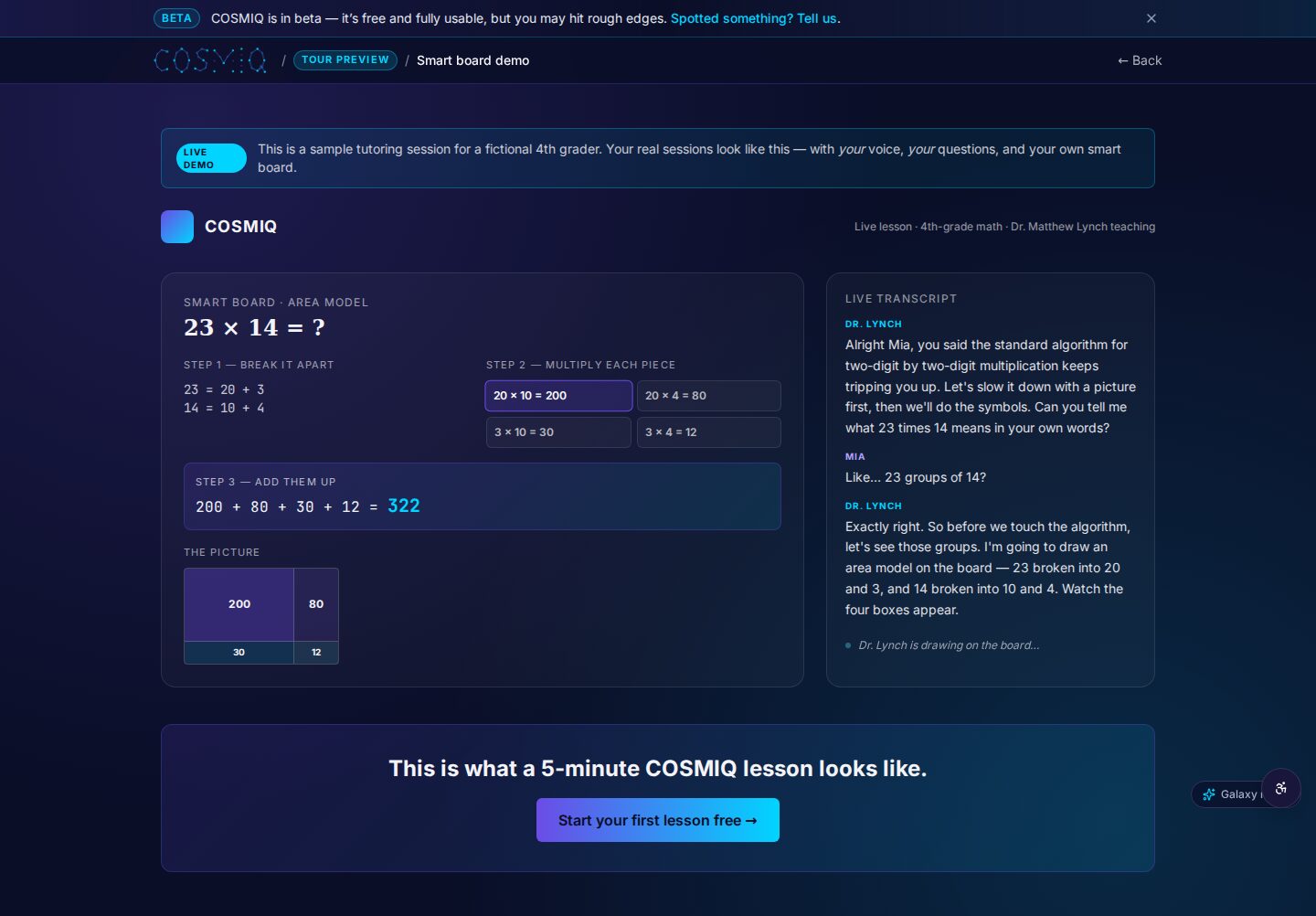
The math section, often seen as the most challenging, covers topics like ratios, percentages, and basic algebraic equations. Students frequently find themselves brushing up on these skills through practice exams. One common strategy is to work through problems systematically. Creating a study schedule can help—set aside time each week to focus solely on math problems, ensuring that you build confidence and competence.
Who Should Take the Praxis Core?
Generally, the Praxis Core is aimed at anyone who plans to enter a teacher education program at the undergraduate level. If you want to teach in public schools, especially in states that mandate these tests, you need to pass the Core. Some schools might even require a minimum score for admission. It’s a way for institutions to ensure that future educators are prepared for the challenges of teaching.
One of the advantages of the Praxis Core is that it provides a broad assessment of essential academic skills. This can help identify areas where you might need additional support before you dive into more specialized teaching content. You wouldn’t want to start your teaching career without a solid understanding of basic math concepts, right?
In addition to undergraduate candidates, some alternative certification programs also require individuals who have already completed their degrees to take the Praxis Core. For instance, if you have a degree in a non-education field and are looking to shift careers into teaching, you may need to demonstrate your proficiency in these foundational areas before moving forward.
Exploring the Praxis Subject Tests
On the flip side, we have the Praxis Subject Tests. While the Core tests focus on general academic skills, the Subject Tests are all about your specific teaching area. These tests evaluate your knowledge and understanding of the subjects you intend to teach—think of it as your specialty exam.
The Subject Tests cover a wide array of topics, from mathematics and science to language arts and social studies. If you’re aiming to teach high school biology, for instance, you’ll take the Praxis Subject Assessment for Biology. These tests are typically more in-depth, targeting the curriculum and standards expected within specific subject areas. In many states, passing the relevant Subject Test is a requirement for licensure.
To illustrate, let’s say you’re planning to teach mathematics to middle school students. The relevant Subject Test won’t just ask about basic arithmetic; it will delve into more advanced concepts like geometry, probability, and statistics. You’ll need to be familiar with both the content and the pedagogical approaches to teaching math effectively, which can be quite a challenge.
The Subject Tests also incorporate scenario-based questions. These require you to apply your knowledge in practical situations, simulating what you might encounter in a classroom. Preparing for these types of questions means not only mastering theoretical content but also understanding how to implement that knowledge in real teaching contexts.
Who Needs to Take the Praxis Subject Tests?
If you aspire to teach a particular subject, expect to take the corresponding Praxis Subject Test. This applies to both undergraduate and graduate candidates. Unlike the Core tests, the Subject Tests are often required before you can enter a student-teaching program or receive your teaching license.
Another aspect to consider is that the Subject Tests may have prerequisites. For example, you may need to have completed specific coursework before you can sit for the exam. Schools want to ensure you have the necessary background knowledge before you prove your expertise. It’s all about making sure you’re ready to tackle the specifics of teaching your chosen subject.
In some cases, schools may recommend or even require that you take particular courses before sitting for these tests. For example, if you’re interested in becoming a history teacher, you might need to take classes in U.S. history, world history, and social studies pedagogy. This requirement ensures that you have not only the academic knowledge but also the pedagogical skills to teach those subjects effectively.
Key Differences Between Praxis Core and Subject Tests
Now that we’ve established what each test entails, let’s summarize the key differences. The Praxis Core is primarily focused on foundational skills, while the Praxis Subject Tests assess specialized knowledge in particular content areas. Think of the Core as a general readiness assessment, while the Subject Tests are more of a specialization check.
Another major distinction is the audience. The Core tests are mandatory for many teacher education programs, while the Subject Tests usually come into play later in your educational journey. If you’re just starting out, you’ll likely be more concerned with the Core. But as you progress, you’ll need to shift your focus to the Subject Tests.
In practical terms, this means that your study strategies will differ. For the Core, you’ll want to reinforce your basic skills and perhaps work with study materials that cover a broad range of topics. In contrast, for the Subject Tests, your focus will shift to mastering specific content and preparing to demonstrate your expertise in that area. Think of it as preparing for two entirely different types of challenges.
Additionally, the scoring for these tests reflects their differing objectives. While a passing score on the Core might indicate you're ready to move forward into the rigorous academic demands of teacher training, a passing score on the Subject Test is often a requirement for licensure, meaning it carries a lot of weight in your professional future.
Preparation Strategies for Both Tests
You might be wondering how to prepare for these tests. Each one requires a different approach. For the Praxis Core, start by brushing up on basic skills. Use online resources, practice tests, and study groups. Websites like https://pedagogue.app/ provide study aids and tips specifically aimed at the Praxis Core.
For the Praxis Subject Tests, focus on the curriculum and standards for your specific subject area. Review textbooks, lesson plans, and any resources available through your teacher education program. Practice tests are invaluable here as well, as they can give you a sense of what to expect on test day. You might also want to join study groups or online forums to discuss key concepts with peers.
A proactive approach can make a significant difference in your preparation. Consider creating a study schedule that allocates specific times for each content area. For instance, dedicate Mondays to reading practice, Tuesdays to math, and Wednesdays to writing. This structured plan not only helps reinforce knowledge but also creates a routine that can reduce anxiety.
Additionally, don't overlook the value of seeking mentorship. If you're in a teacher education program or have access to experienced educators, reach out for advice on what to study. They can provide invaluable insights into what the tests will cover based on their own experiences.
Navigating Registration and Scoring
Once you’ve decided which tests you need to take, the next step is registration. You can easily register for both the Praxis Core and Subject Tests through the Educational Testing Service (ETS) website. Be mindful of registration deadlines, as they vary by state and test date.
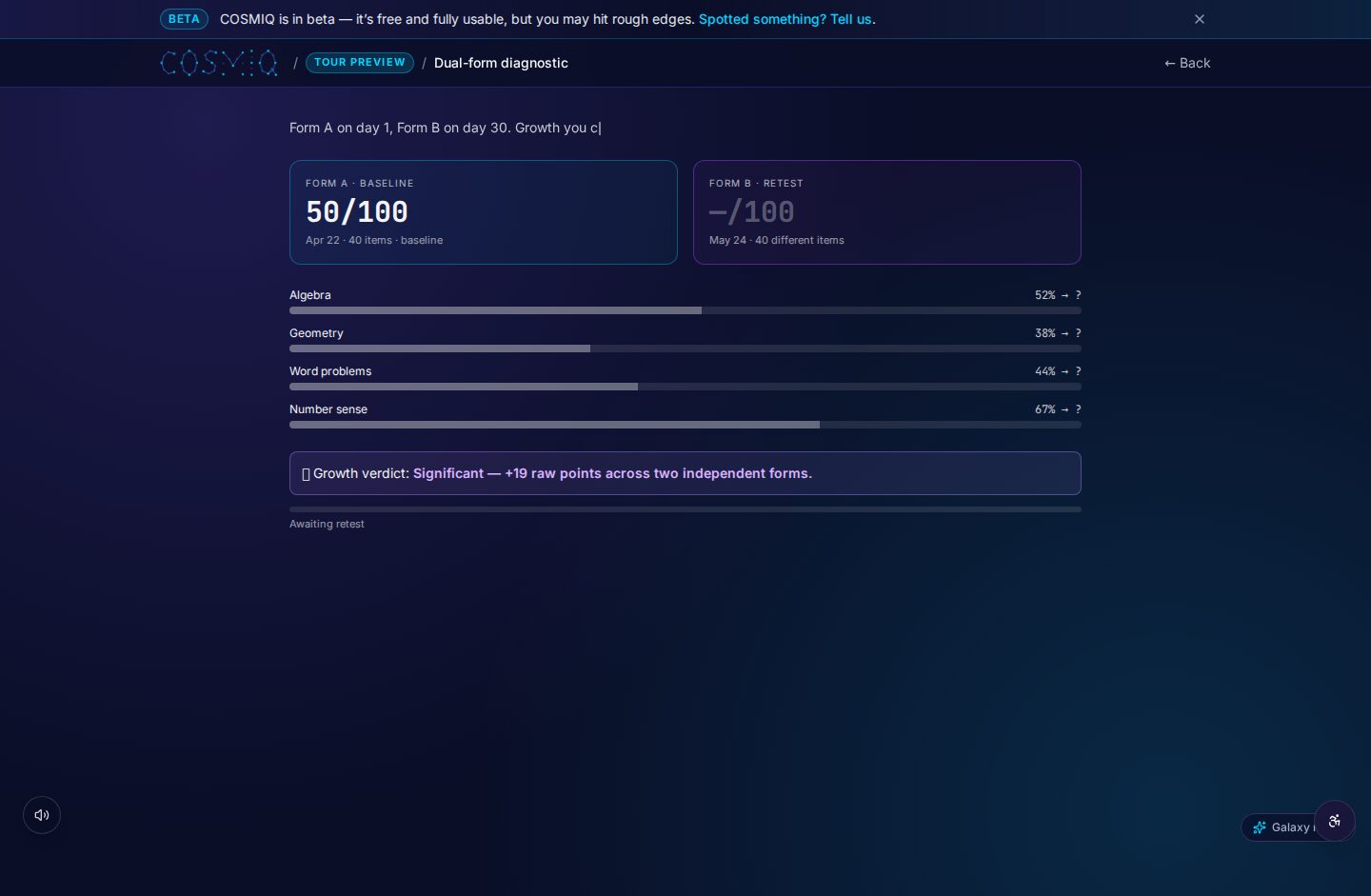
Scoring can also differ. For the Praxis Core, you’ll generally receive your scores within a couple of weeks after taking the test. The scoring scale is typically from 100 to 200, with a passing score varying by state or institution. For the Subject Tests, scores are reported on a similar scale, but the passing scores can fluctuate even more dramatically depending on the specific subject and state requirements.
Understanding the scoring can help set realistic expectations. For example, if your state requires a 165 to pass the Core tests, you should aim to score higher to ensure you’ve met the minimum requirement of any institution you might be applying to. Similarly, each Subject Test may have different cutoffs, so be sure to research the specific requirements for your state and subject area.
Another important aspect of registration is understanding the policy for retaking tests. If you don't pass on your first attempt, most states allow you to retake the tests after a waiting period. So if you find yourself in that situation, don't panic. Use the time to focus on areas where you struggled and consider additional study resources or tutoring.
Future Implications of Passing or Failing the Tests
The implications of passing or failing these tests can be significant. For many, these tests are a gatekeeper to entering the teaching profession. If you pass the Praxis Core and the relevant Subject Tests, it opens doors to student-teaching opportunities and, ultimately, licensure.
Conversely, not passing the tests can create hurdles in your path. If you don’t pass the Praxis Core, you might be unable to apply to your chosen teacher education programs, which can delay your academic and professional journey. Similarly, not passing the Subject Tests can prevent you from obtaining your teaching license, meaning you’ll have to navigate additional steps to show your proficiency.
To mitigate these risks, it's vital to engage in thorough preparation. Consider this: if you treat the Praxis tests as a critical step toward your future career, you’ll approach them with the seriousness they deserve. Use the resources available to you, from study guides to online courses, to ensure that you're well-prepared when test day arrives.
Final Thoughts on Praxis Core vs. Praxis Subject Tests
Understanding the differences between the Praxis Core and Praxis Subject Tests can make a significant impact on your teaching journey. Whether you’re just starting out or nearing the end of your education program, knowing which tests you need to take—and when—can help streamline your path to becoming a licensed educator.
While the Praxis Core ensures you have the basic skills necessary for teaching, the Subject Tests give you the chance to prove your expertise in the subject you plan to teach. So, take the time to prepare adequately for both, and don’t hesitate to reach out for help if you need it. After all, the goal is to be as prepared as possible for an inspiring teaching career ahead.
Related resources: resources provide study aids · drmattlynch.com · getcosmiq.app · theedadvocate.org
Learn anything, free.
COSMIQ is a free, voice-driven AI tutor for every learner. No credit card, ever.
Start learning free →