Preparing Educators for Tomorrow: Teacher Education in the Age of AI

The landscape of education is continually shifting, and few forces are shaping it as profoundly as Artificial Intelligence (AI). From personalized learning tools to automated administrative tasks, AI is becoming an increasingly present element in schools worldwide. For students, parents, and especially for teachers, understanding and effectively leveraging AI is no longer a futuristic concept but a present-day necessity. This paradigm shift demands a re-evaluation of how we prepare our educators. What should teacher education look like to ensure that future teachers are not just aware of AI, but are adept at integrating it thoughtfully and ethically into their practice?
Understanding AI: Beyond the Buzzwords
The first step in preparing educators is to move beyond superficial understanding and equip them with a foundational knowledge of what AI is, how it works, and its specific applications within an educational context. This isn't about turning teachers into programmers, but rather into informed users and critical evaluators.
- Core Concepts: Teacher education programs should introduce fundamental AI concepts such as machine learning, natural language processing, and data privacy. Understanding these basics helps demystify AI and fosters a more confident approach to new technologies.
- Ethical Implications: A crucial component must be the exploration of AI's ethical dimensions. This includes discussions around bias in algorithms, data security, equity of access, and the potential impact on human interaction and critical thinking skills. Future teachers need to be prepared to navigate these complexities with their students.
- Practical Applications: Instead of abstract theory, programs should focus on how AI tools can genuinely enhance teaching and learning. This could involve exploring AI-powered differentiation tools, intelligent tutoring systems, assessment aids, and tools that streamline administrative tasks, freeing up teacher time for more meaningful student interaction.
Developing AI-Integrated Pedagogies
Knowing what AI is isn't enough; teachers need to know how to teach with it and about it. This requires a shift in pedagogical approaches, moving from traditional methods to those that embrace and leverage AI as a partner in the learning process.
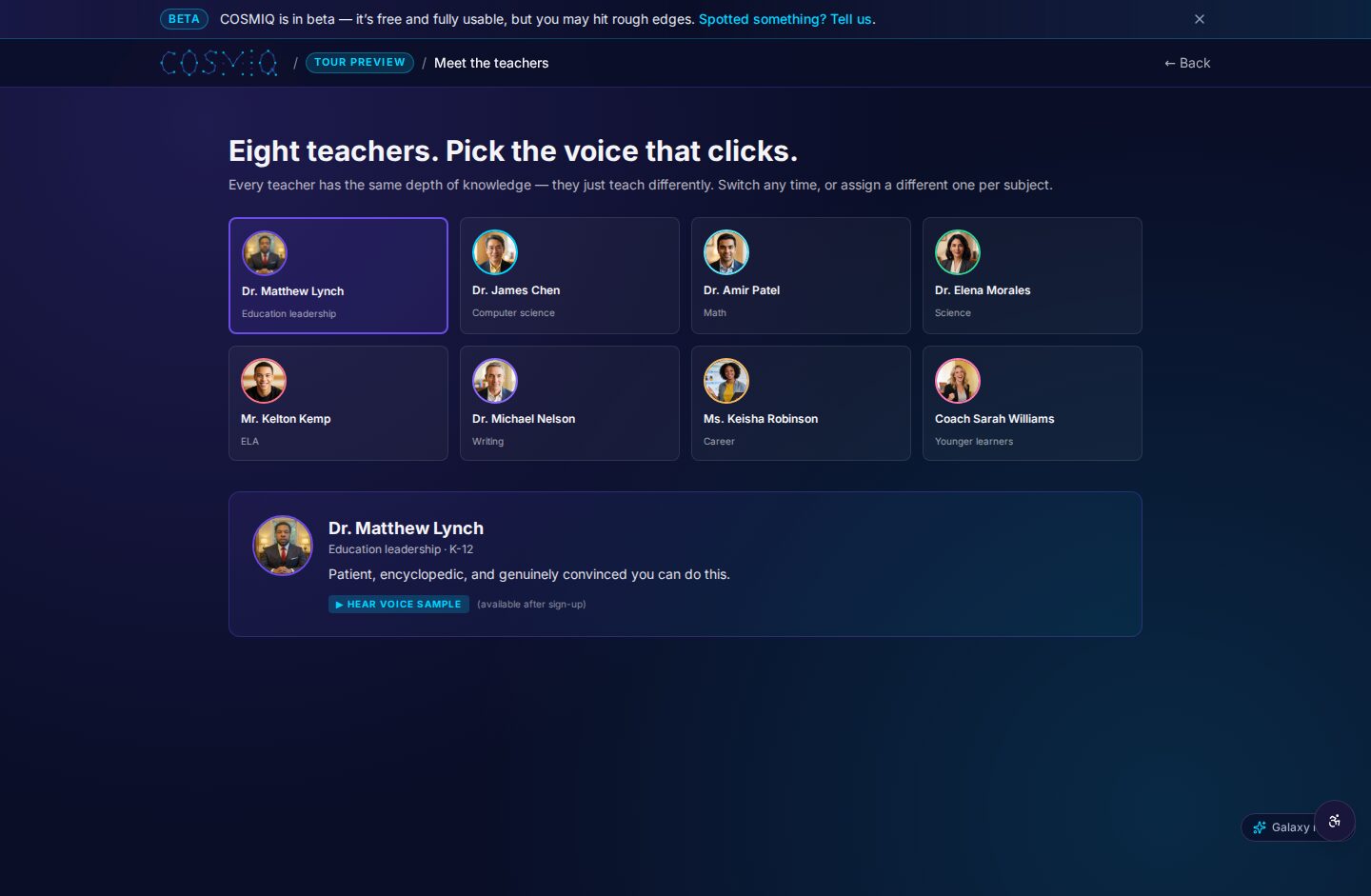
- AI as a Co-Pilot: Teachers should learn to view AI as a valuable assistant rather than a replacement. Training should focus on how AI can support lesson planning, generate diverse examples, provide instant feedback, and help identify learning gaps.
- Fostering AI Literacy in Students: Future educators must be able to teach their own students about AI. This includes developing curricula that help students understand AI's presence in their daily lives, how to use AI tools responsibly, and how to develop critical thinking skills to evaluate AI-generated content.
- Designing AI-Enhanced Learning Experiences: Teacher preparation should include practical experience in designing lessons and projects where AI tools are integrated purposefully. This could involve using AI for research, creative writing, problem-solving, or even developing simple AI models themselves.
- Data-Driven Instruction with AI: AI can provide powerful insights into student performance. Teachers need training on how to interpret AI-generated data, understand its limitations, and use it ethically to inform their instructional decisions and personalize learning pathways.
Cultivating Adaptability and Lifelong Learning
The pace of AI development is rapid, meaning that what is cutting-edge today may be commonplace tomorrow. Therefore, teacher education must instill a mindset of continuous learning and adaptability.
- Embracing Experimentation: Programs should encourage a culture of experimentation and iterative learning with new technologies. Teachers should feel empowered to try out new AI tools, evaluate their effectiveness, and share their findings.
- Professional Learning Networks: The importance of professional learning communities focused on AI in education cannot be overstated. Teacher education should highlight how to find and engage with these networks to stay current and share best practices.
- Critical Evaluation Skills: With new AI tools emerging constantly, teachers need strong critical evaluation skills to discern which tools are genuinely beneficial and align with educational goals, rather than simply adopting every new trend.
Preparing educators for the age of AI is not about replacing human teachers with technology; it's about empowering them to harness technology to amplify their impact. By integrating robust AI literacy, practical pedagogical applications, and a commitment to continuous learning into teacher education programs, we can ensure that future teachers are not just ready for the classrooms of 2026 and beyond, but are leading the way in shaping them into dynamic, engaging, and effective learning environments for all students.
Learn anything, free.
COSMIQ is a free, voice-driven AI tutor for every learner. No credit card, ever.
Start learning free →