Purdue University Elevates Student Learning with Campus-Wide Software Access
In a significant move poised to enhance student learning and equitable access to essential tools, Purdue University has announced the expansion of its software access platform, AppsAnywhere, to serve more than 60,000 students across its four campus locations. This initiative, according to the university, streamlines how students access a wide array of course-specific software, from everyday applications to highly specialized engineering tools, regardless of their physical location or the device they are using.
For students, parents, and educators, this development at Purdue highlights a growing trend in higher education: leveraging technology to remove barriers to learning. The ability to access critical software without needing to purchase expensive, high-powered computers or rely solely on physical computer labs can be a game-changer for many, fostering a more inclusive and flexible learning environment.
Breaking Down Barriers: Software Access for All
The core benefit of Purdue's expanded platform lies in its potential to democratize access to educational resources. In today's academic landscape, many courses, particularly in STEM fields, require students to use specialized software that can be costly and demanding on computer hardware. According to Purdue University, this expansion means students can now access these applications through a single, unified platform.
This approach significantly reduces the financial burden on students who might otherwise need to invest in premium devices to run complex programs. It also offers unparalleled flexibility, allowing students to work on assignments and projects from their dorm rooms, off-campus housing, or even while traveling, rather than being tied to specific lab hours. Purdue's Senior Director of IT, Sundeep Rao, noted that the university's nearly five years of experience supporting its demanding engineering applications with AppsAnywhere demonstrated its capacity to scale and meet broader university needs.

A Unified Approach to IT Infrastructure
Purdue University's decision to expand AppsAnywhere university-wide follows a consolidation of its IT organization. This strategic move, the university states, is designed to replace multiple, disparate software-delivery approaches with a more scalable and efficient model. This kind of infrastructural streamlining is crucial for large institutions with diverse academic programs and a substantial student body.
By centralizing software delivery, universities can ensure consistency, simplify IT support, and potentially reduce operational costs associated with maintaining various systems. For students, this means a more consistent and reliable experience when accessing the tools they need for their studies, reducing frustration and maximizing learning time. It also prepares students for a professional world where cloud-based access to tools is increasingly common.
The Impact on Student Learning and Equity
The implications of such a system for student success are profound. When students have seamless, equitable access to the software required for their courses, they can focus more on learning the material and less on technical hurdles. This can be particularly beneficial for students from diverse socioeconomic backgrounds, ensuring that access to necessary technology does not become an additional barrier to their academic aspirations.
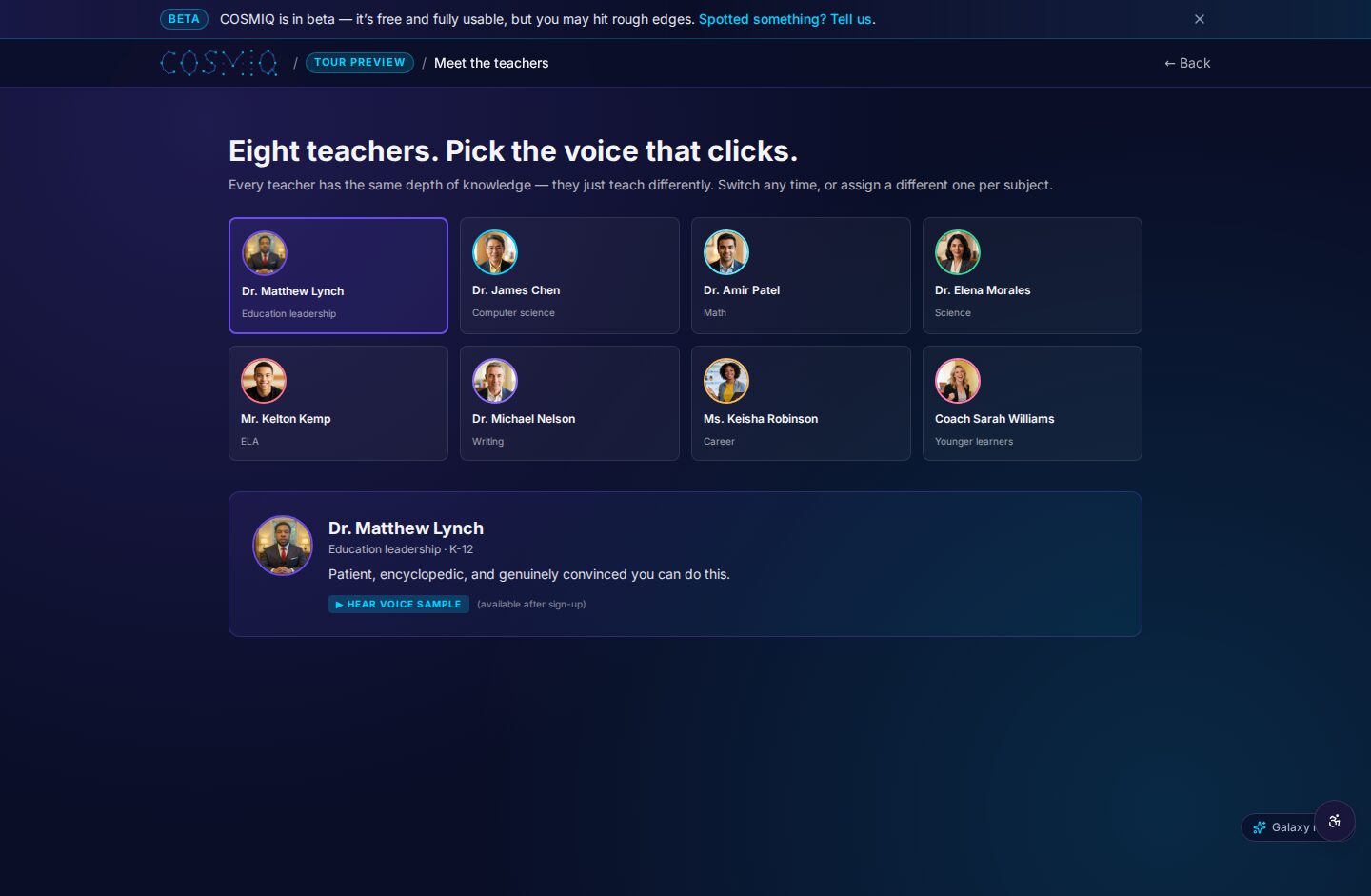
This initiative at Purdue aligns with a broader educational philosophy that seeks to provide all learners with the resources they need to thrive. Just as Purdue is working to provide universal access to software, platforms like COSMIQ offer free voice-driven AI tutoring, ensuring that every K-12 student has access to personalized academic support, free forever. These kinds of technological advancements underscore a commitment to student-centric learning experiences.
Looking Ahead: The Future of Educational Technology
Purdue University's expansion of its software access platform is a commendable step forward in creating a more accessible and efficient educational environment. It demonstrates a proactive approach to leveraging technology not just for convenience, but as a fundamental component of equitable learning. As educational institutions continue to adapt to the evolving needs of students and the demands of the modern world, such initiatives will likely become increasingly common.
This commitment to providing robust technological infrastructure directly supports student success and prepares them for future careers where digital literacy and access to specialized tools are paramount. Purdue's example offers valuable insights for other institutions considering how best to equip their students for the challenges and opportunities of the 2026-2027 academic year and beyond.
Learn anything, free.
COSMIQ is a free, voice-driven AI tutor for every learner. No credit card, ever.
Start learning free →