Quizlet vs. Spaced Repetition: Which Helps You Remember More?

Introduction
When it comes to studying, we all want to remember what we learn. In an age where information is abundant, picking the right method is crucial. You’ve probably heard of Quizlet—it’s a popular tool among students. But have you considered spaced repetition? Today, we’re going to explore Quizlet vs. spaced repetition and find out which one helps you remember more effectively.
Understanding Quizlet
Quizlet is a study tool that allows users to create digital flashcards and study materials. You can input your terms and definitions, and the platform lets you use various modes like flashcards, games, or quizzes to enhance your learning experience. Sounds great, right? It’s user-friendly and accessible, with mobile apps that make studying on the go easy.
However, while Quizlet offers diverse learning modes, it doesn’t inherently use any specific learning science principles. You might simply flip through cards and hope the information sticks. This could work fine for short-term memorization, but what about long-term retention? That's where things get a bit murky.
One of the biggest perks of Quizlet is its community. You can find an enormous library of pre-made study sets, which saves time and offers options for almost any subject. However, with all that content, the quality can vary. Some decks are meticulously curated by educators, while others might be hastily thrown together by students cramming for exams. This inconsistency can affect how well you learn. If you decide to use Quizlet, invest some time in finding the most reliable and effective study sets to ensure you’re not just memorizing poor-quality information.
What is Spaced Repetition?
Spaced repetition is a learning technique that focuses on timing the intervals of study sessions. Instead of cramming all at once, you review material at strategically scheduled times, gradually increasing the intervals between sessions. The idea is that by spacing out your reviews, you reinforce your memory of the material.
This method is grounded in cognitive science, particularly the forgetting curve developed by Hermann Ebbinghaus. The forgetting curve suggests that we forget information over time if we don’t reinforce it. By revisiting the material at optimal intervals, spaced repetition helps combat this curve.
Beyond just timing, spaced repetition involves the active recall process. Instead of passively reading or flipping through cards, you’re actively trying to remember the information before checking the answer. This active engagement with the material enhances your brain's ability to store and retrieve that information later.
Quizlet vs. Spaced Repetition: The Mechanisms of Memory
When comparing Quizlet and spaced repetition, the key lies in how each approach tackles memory retention. Quizlet lets you decide when and how often to review, but it doesn't guide you on optimal timing. In other words, it’s up to you to figure out your own schedule, which could lead to ineffective study habits.
In contrast, spaced repetition systems (SRS) like Anki or Memrise use algorithms to present you with cards based on how well you know them. If you struggle with a term, it will show up sooner in your study sessions. If you ace it, you won’t see it for a while. This personalized pacing enhances your retention significantly.
A practical example to illustrate this might be learning a new language. If you’re using Quizlet, you might study a set of vocabulary words today and then not look at them again for a week. During that week, you’ll likely forget several words, and when you return, you might find yourself struggling. With spaced repetition, however, you’d review those words today, then tomorrow, then a few days later, and so on. This spaced approach solidifies your memory by leveraging your brain's natural learning patterns.
Free Flashcard Alternative to Quizlet
If you’re looking for a free flashcard alternative to Quizlet that embraces spaced repetition, Anki is a popular choice. It’s open-source, meaning you can customize it to fit your learning style. You can create flashcards and edit them, but what sets Anki apart is the SRS algorithm that optimizes how you review information.
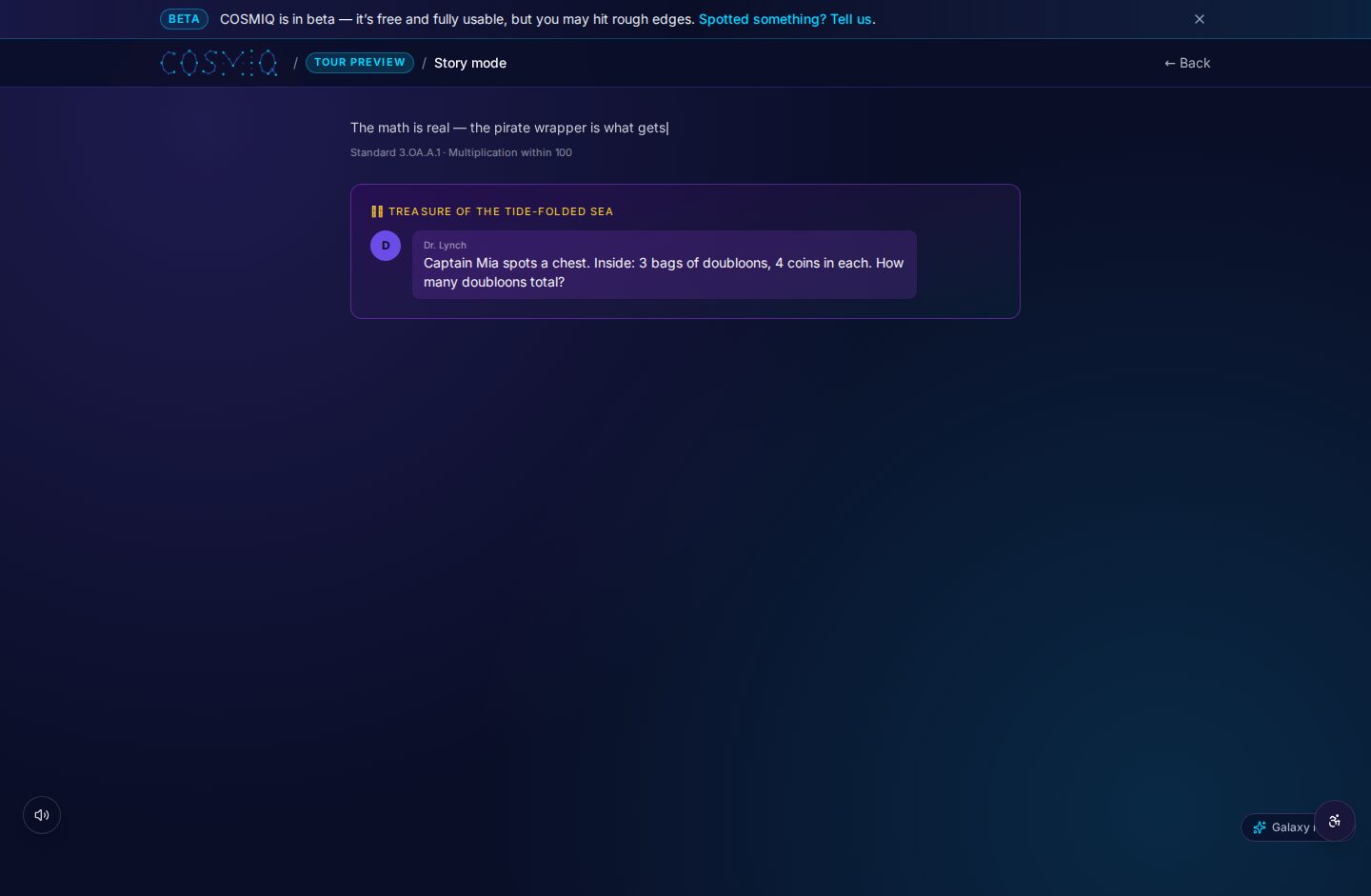
Unlike Quizlet’s static approach, Anki tailors the learning experience based on your performance. For instance, if you often forget a particular flashcard, Anki will bring it back more frequently. This kind of adaptability is crucial for mastering challenging subjects.
Many users appreciate Anki for its flexibility. You can add images, audio, and even videos to your flashcards to create a more enriching experience. This is especially useful for learning complex topics, such as medical terms or foreign language pronunciation. The community surrounding Anki has also produced numerous add-ons to enhance its functionality even further, providing endless possibilities for customization.
There are other free options available as well. Tools like Quizlet Live offer collaborative learning experiences where students can work together to answer questions in real-time, making studying more interactive. However, they might not provide the same depth of spaced repetition effectiveness as Anki does.
Practical Applications: Which Is Better for You?
So, which method should you choose? It really depends on your learning style and needs. If you thrive with a visual and gamified approach, Quizlet’s engaging interface might be your go-to. You can create fun study sets and even compete with friends.
But if you’re in it for long-term memorization, spaced repetition is the way to go. Imagine you’re learning a language. You could use Quizlet to memorize vocabulary, but without a systematic review plan, you might forget half of what you learned by the next week. With spaced repetition, you’re continually reinforcing that vocabulary over time, leading to better retention.
Consider a scenario where you’re preparing for a large exam, say, the MCAT. Using Quizlet, you might create flashcards for the vast amount of information you need to digest. However, without a structured review schedule, you might find yourself overwhelmed as the exam approaches. On the other hand, if you opt for spaced repetition, you would break down the material into manageable chunks and review them systematically, ensuring that you’re not only memorizing but also understanding the content.
User Experience: What Others Say
Let’s take a look at what people are saying about these two methods. Many users appreciate Quizlet for its accessibility and ease of use. Teachers often recommend it for classroom settings because it’s straightforward and allows for collaborative learning. You can even find pre-made study sets for almost any topic.
On the other hand, those who have switched to spaced repetition tools rave about their effectiveness for challenging subjects. Users report feeling less overwhelmed and more in control of their learning. They appreciate that the spaced repetition model actually helps them remember material better, especially when preparing for exams.
In addition, many users comment on the satisfaction of seeing their progress with spaced repetition tools. Anki, for example, provides statistics showing how many cards you've learned, how often you review, and how effective your studies have been. This level of feedback can be motivating and help you refine your study habits.
Setting Up Your Study Routine
If you’re unsure where to start, here’s a simple way to set up your study routine. First, identify the subject you want to tackle. If you're using Quizlet, create a few flashcard decks. Keep them organized by topic or chapter. Spend some time studying those decks using the different modes that Quizlet offers.
If you choose to explore spaced repetition, download Anki or another SRS tool. Start by inputting the same flashcards you created on Quizlet. Take advantage of the program’s features to schedule your reviews. It's all about finding a rhythm that works for you.
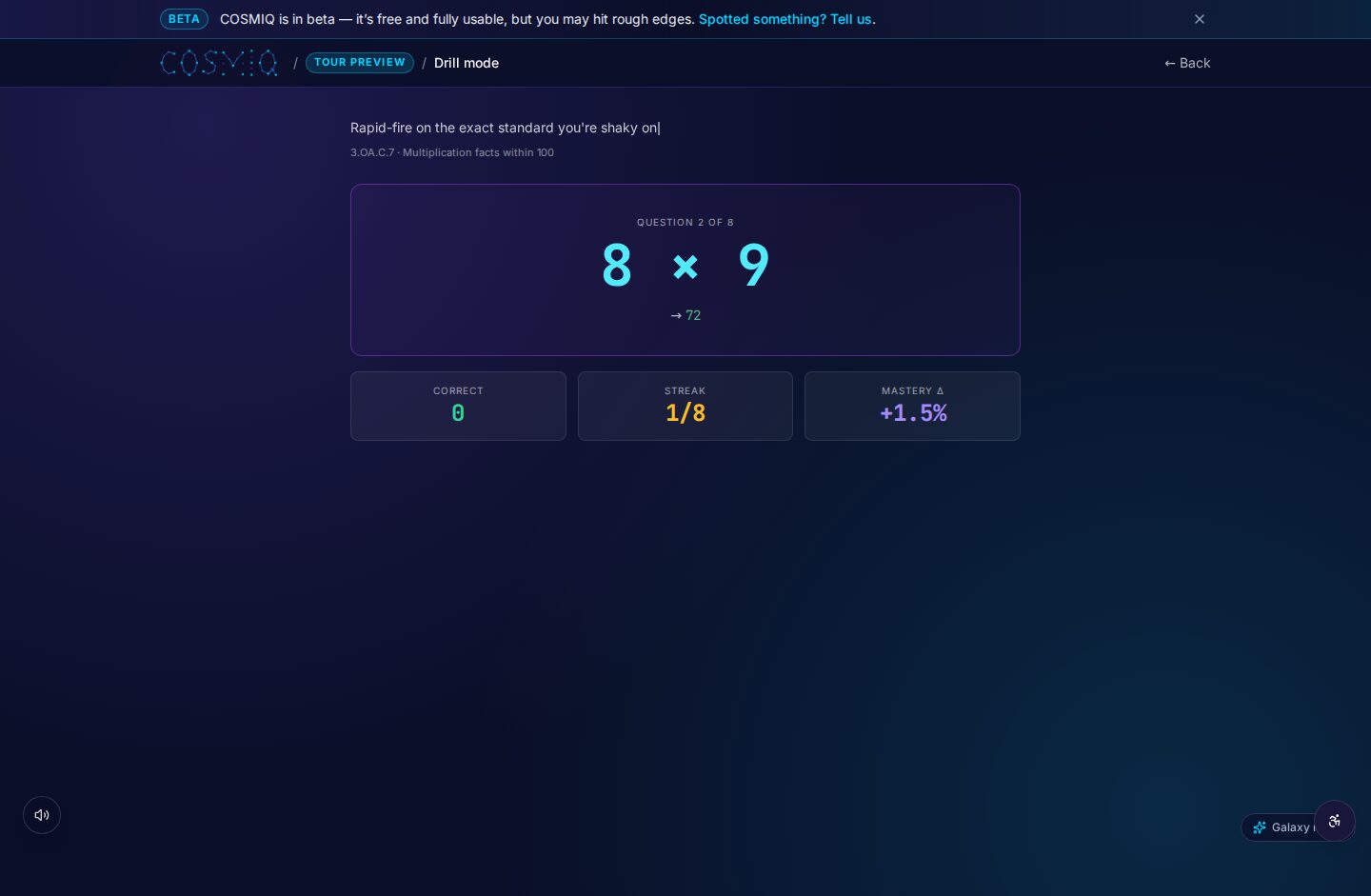
Consider setting specific time blocks for your study sessions. For Quizlet, you might set aside 20 minutes a day to review flashcards and play games. For spaced repetition, you could dedicate the same amount of time but spread it out over several days, adjusting the frequency based on how well you’re retaining the information.
Lastly, don’t forget to mix it up. Using both methods in conjunction can keep your study sessions fresh and effective. You might start by using Quizlet to grasp the basics and then transition into spaced repetition for deeper study. This hybrid approach can provide the benefits of both techniques, allowing for a more comprehensive understanding of the material.
Long-Term Retention: The Science Behind It
When it comes to long-term retention, the science is clear: spaced repetition outperforms other methods. Research has shown that our brains thrive on revisiting material at calculated intervals. This isn’t just a theory; studies have demonstrated that participants using spaced repetition techniques recall significantly more information after several weeks compared to those who used traditional study methods.
A common experiment involves teaching students a set of vocabulary words. One group practices the words in a spaced manner, while another group crams all at once. The results consistently show that the spaced group retains a higher percentage of words over time. This reinforces the idea that our brains need time to process and solidify information.
But it's not just about memory; spaced repetition also supports deeper understanding. When you review concepts at spaced intervals, you’re more likely to connect ideas and see how they relate to one another. This holistic view is crucial for subjects that build on previous knowledge, like mathematics or science.
Final Thoughts on Quizlet vs. Spaced Repetition
Ultimately, both Quizlet and spaced repetition have their merits. Quizlet is fantastic for quick study sessions and engaging learning experiences, while spaced repetition is excellent for deeper retention over time. You might find that using both in tandem suits your needs; for instance, start with Quizlet for initial learning and then switch to spaced repetition for long-term retention.
No matter what you choose, the key is to stay consistent and find what resonates with you. Whichever method you decide to use, remember—it's about making your study time work for you, not against you. So, what’s it going to be? Quizlet or spaced repetition? The choice is yours.
Final Reflections: Navigating Your Learning Journey
As you navigate your learning journey, it’s essential to be open to experimenting with different methods. What works for one person might not work for another. Don’t be afraid to tweak your approach based on how you feel about your progress. Perhaps you’ll find that Quizlet’s engaging interface sparks your interest, while spaced repetition’s structured schedule helps you retain what you’ve learned.
Consider your goals. Are you preparing for an upcoming exam and need to memorize a lot of information quickly? Quizlet might serve you better in that case. Are you aiming for long-term mastery of a subject, such as a foreign language? In that scenario, spaced repetition could be your best bet.
Ultimately, the best study method is one that keeps you engaged and allows you to enjoy the learning process. As you continue exploring these tools, remember that effective studying is not just about the tools themselves but also about your commitment to the process. Happy studying!
Related resources: Quizlet alternative · Quizlet alternative · free flashcard alternative to Quizlet · Quizlet vs spaced repetition · Quizlet vs spaced repetition
Learn anything, free.
COSMIQ is a free, voice-driven AI tutor for every learner. No credit card, ever.
Start learning free →