Re-Engaging Students: Practical Strategies for Today's Classrooms

In an increasingly connected world, where information is always at our fingertips, it's perhaps ironic that keeping students engaged in the traditional classroom setting can feel more challenging than ever. Many educators observe a disconnect, with students appearing to tune out or struggle to find relevance in their lessons. This isn't a reflection on the students' capabilities or the teachers' dedication, but rather an invitation to rethink how we approach learning in 2026. The good news is that with a few thoughtful adjustments, we can create environments where curiosity thrives and every student feels a vital part of the learning journey.
Understanding Why Students Might Tune Out
Before we can re-engage, it's helpful to consider the potential reasons for disengagement. It's rarely a single factor, but often a combination:
- Information Overload: Students are constantly bombarded with stimuli outside the classroom. A static, lecture-heavy approach can struggle to compete.
- Perceived Irrelevance: If students don't see a clear connection between what they're learning and their own lives or future aspirations, motivation can wane.
- Lack of Agency: Feeling like a passive recipient of information, rather than an active participant, can lead to boredom and disinterest.
- Learning Style Mismatch: Traditional teaching methods don't always cater to diverse learning styles. Some students thrive with hands-on activities, others with visual aids, and some with discussion.
- External Pressures: Stress, anxiety, social dynamics, or personal challenges can all impact a student's ability to focus and engage in class.
Strategies for Fostering Active Engagement
Re-energizing the classroom doesn't require a complete overhaul, but rather a focus on dynamic, student-centered approaches. Here are some practical strategies:
1. Embrace Interactive Learning and Discussion
Moving beyond one-way lectures is crucial. Incorporate activities that require students to actively participate, think critically, and share their ideas.
- Think-Pair-Share: Pose a question, give students a moment to think individually, then discuss with a partner before sharing with the whole class.
- Socratic Seminars: Facilitate student-led discussions around a text or topic, encouraging deeper analysis and critical thinking.
- Debates and Role-Playing: Assign roles or positions and have students argue their points, fostering research skills and persuasive communication.
- Group Projects and Collaborative Tasks: Design tasks where students must work together, leveraging diverse skills and promoting peer learning.
2. Connect Learning to Real-World Relevance
Help students see the 'why' behind what they're learning. When content feels meaningful, engagement naturally increases.
- Case Studies: Use real-world examples to illustrate concepts, allowing students to apply their knowledge to practical scenarios.
- Guest Speakers: Invite professionals from various fields to talk about how they use academic concepts in their careers.
- Community Projects: Engage students in projects that address local issues, making learning tangible and impactful.
- Personalized Examples: Whenever possible, relate concepts to students' interests, hobbies, or current events they might be following.
3. Incorporate Technology Thoughtfully
Technology, when used strategically, can be a powerful tool for engagement, not just a distraction.
- Interactive Whiteboards and Apps: Use tools that allow for collaborative annotation, polling, and dynamic presentations.
- Educational Games and Simulations: Gamified learning can make complex topics more accessible and enjoyable.
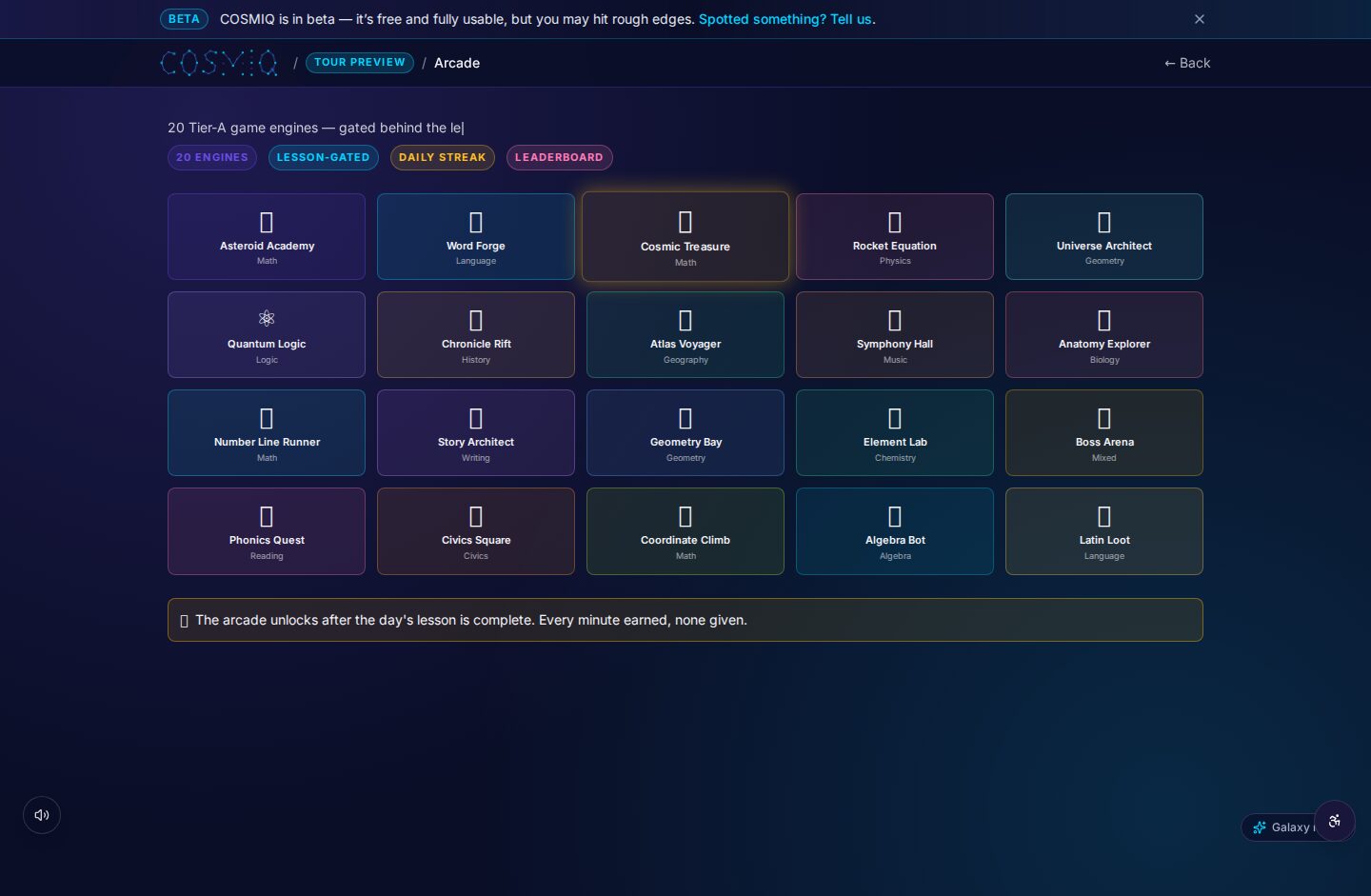
- Voice-Driven AI Tutors: Platforms like COSMIQ can offer personalized, on-demand support, allowing students to explore topics at their own pace and ask questions without hesitation, fostering a sense of control over their learning.
- Multimedia Resources: Integrate videos, podcasts, and virtual field trips to diversify content delivery.
4. Foster a Supportive and Inclusive Classroom Culture
Students are more likely to engage when they feel safe, valued, and respected.

- Encourage Questions: Create an environment where all questions are welcomed and seen as opportunities for deeper understanding.
- Provide Regular, Constructive Feedback: Help students understand their progress and areas for growth, rather than just assigning grades.
- Celebrate Effort and Growth: Acknowledge not just correct answers, but the process of learning, problem-solving, and perseverance.
- Student Voice and Choice: Where appropriate, allow students to have a say in how they learn, what projects they undertake, or how they demonstrate their understanding.
The Role of Parents and Students
While educators play a primary role, engagement is a shared responsibility. Parents can support by fostering curiosity at home, discussing school activities, and encouraging independent learning. Students themselves can take ownership by actively participating, asking questions, and seeking connections between their learning and their world.
Re-engaging students in 2026 is about creating dynamic, relevant, and supportive learning environments. By embracing interactive strategies, connecting content to the real world, leveraging technology thoughtfully, and nurturing a positive classroom culture, we can help students not just tune in, but truly thrive.
Learn anything, free.
COSMIQ is a free, voice-driven AI tutor for every learner. No credit card, ever.
Start learning free →