RTI Software That Turns Screening Data Into Action

Understanding RTI Software
Response to Intervention (RTI) software has become a cornerstone in educational systems striving to ensure that every student receives the support they need for academic success. This software helps educators gather, analyze, and respond to screening data effectively. But what exactly does this mean for you as an educator or administrator? It means turning raw information into actionable strategies that can directly benefit students.
Think about it: you have a wealth of data at your fingertips. Screening assessments provide insights into student performance and potential learning barriers. However, the true value lies in how you harness this data. With effective RTI software, you can identify trends, target interventions, and track progress. Imagine having the ability to quickly access a student's entire academic history at any moment—you can see their strengths, weaknesses, and everything in between.
The Importance of Data in RTI
Data-driven decision-making is essential in RTI processes. When educators rely on evidence rather than intuition, they create a more equitable learning environment. For instance, consider a student who struggles with reading. Without data, it’s easy to overlook their difficulties or misdiagnose the issue.
RTI software can help you identify specific areas where the student needs assistance. Is it phonemic awareness? Vocabulary development? Comprehension skills? By pinpointing these areas, you can tailor interventions that are more likely to yield positive outcomes. Students who receive targeted support based on accurate data often show marked improvement, which reinforces the value of this approach.
How RTI Software Transforms Screening Data
The real magic of RTI software lies in its ability to process screening data quickly and effectively. Instead of sifting through spreadsheets or paper records, educators can access real-time insights that inform their next steps. Imagine being able to generate reports that highlight at-risk students instantly.
Let’s say you’re a teacher in a middle school. You’ve just completed a reading screening. With RTI software, you can see which students are at the highest risk. You can group them based on their specific needs, and plan targeted interventions. This kind of immediate feedback streamlines your approach and maximizes the impact of your efforts. Teachers can quickly pivot their instruction based on the most recent data, making adjustments almost on the fly. This agility is crucial in addressing students' changing needs.
Customization for Diverse Learning Needs
Every student is unique, and their learning needs vary widely. One-size-fits-all solutions often fall flat, and this is where the customization capabilities of RTI software come into play. Many platforms allow educators to create personalized intervention plans based on individual student data.
For example, if you find that a child struggles with multiplication but excels in addition, your RTI software can help you select targeted resources that focus exclusively on multiplication skills. This focus ensures that time and resources are used optimally, and students feel empowered rather than overwhelmed. In another case, a student may need enrichment in certain areas while requiring additional support in others. Here, RTI software shines by offering tailored interventions that address both types of needs.
Collaboration and Communication
RTI software also fosters collaboration among educators, specialists, and administrators. When everyone has access to the same data, it becomes easier to discuss student needs and strategies. Teachers can share their observations, and interventionists can provide their insights, creating a cohesive support system.
Consider a scenario where a student is receiving services from both a reading specialist and a special education teacher. With an effective response to intervention software, those professionals can view the same data and adjust their strategies accordingly. It’s about teamwork and ensuring that every student gets a holistic approach. Having a shared platform for data also eliminates redundant assessments and promotes a more streamlined intervention process.

Tracking Progress Over Time
Another significant advantage of RTI software is its ability to track student progress over time. Gone are the days of waiting until the end of the semester to gauge how a student is performing. With consistent data entry and monitoring, you can see how effective your interventions are as they happen.
For instance, if a student shows improvement in their reading fluency scores after several weeks of targeted intervention, you can adjust your plans based on that success. Conversely, if a student isn’t responding to a particular strategy, you can pivot quickly, trying different approaches before it’s too late in the semester. This responsive nature of RTI software allows educators to celebrate student successes promptly and to troubleshoot issues effectively.
Integrating RTI Software Into Daily Practices
So, how can you effectively integrate RTI software into your daily practices? Start by ensuring that all staff members are trained on how to use the software. It’s vital that the whole team understands how to input data, interpret results, and apply that knowledge to their teaching.
Next, make data review a regular part of your team meetings. Set aside time to discuss the insights gathered from the software. By doing this, you keep RTI at the forefront of your planning and ensure that every student’s needs are being addressed systematically. You might even consider establishing a data team specifically responsible for navigating the RTI software and offering support to others.
Real-World Examples of RTI Software in Action
Let’s look at a couple of real-world examples. In a large urban district, educators implemented a new RTI software system to track reading interventions. Within the first year, they noticed a significant increase in the number of students meeting grade-level reading benchmarks.
They attributed this success to the ability to monitor student progress closely and adjust interventions in real-time. The software provided dashboards that displayed trends and highlighted students who required additional support, making the process efficient and targeted. Teachers reported feeling more empowered, as they could directly see the impact of their interventions.
In another case, a small rural school adopted RTI software and found that students receiving intervention services showed a 20% improvement in math scores compared to previous years. The software allowed teachers to customize their approaches based on individual student data, which led to these impressive results. These examples illustrate how RTI software can lead to tangible improvements in student outcomes.
Challenges and Considerations
Even with all these benefits, adopting RTI software isn’t without its challenges. For one, there can be a steep learning curve. Educators might feel overwhelmed by the amount of data and the new processes they need to embrace. It’s crucial to provide ongoing training and support.
Financial considerations can also pose a barrier. Not all schools have the budget for high-quality RTI software. However, investing in a good system can save time and resources in the long run, ultimately benefiting students. Prioritizing funds for RTI software could lead to improved outcomes, making it a worthwhile investment. Districts might consider collaborating with other local schools to share resources or negotiate better pricing.
The Future of RTI Software
Looking ahead, the potential for RTI software continues to expand. As technology evolves, we can expect even more sophisticated tools that incorporate artificial intelligence and machine learning. Imagine software that not only analyzes current data but also predicts future performance based on historical trends.
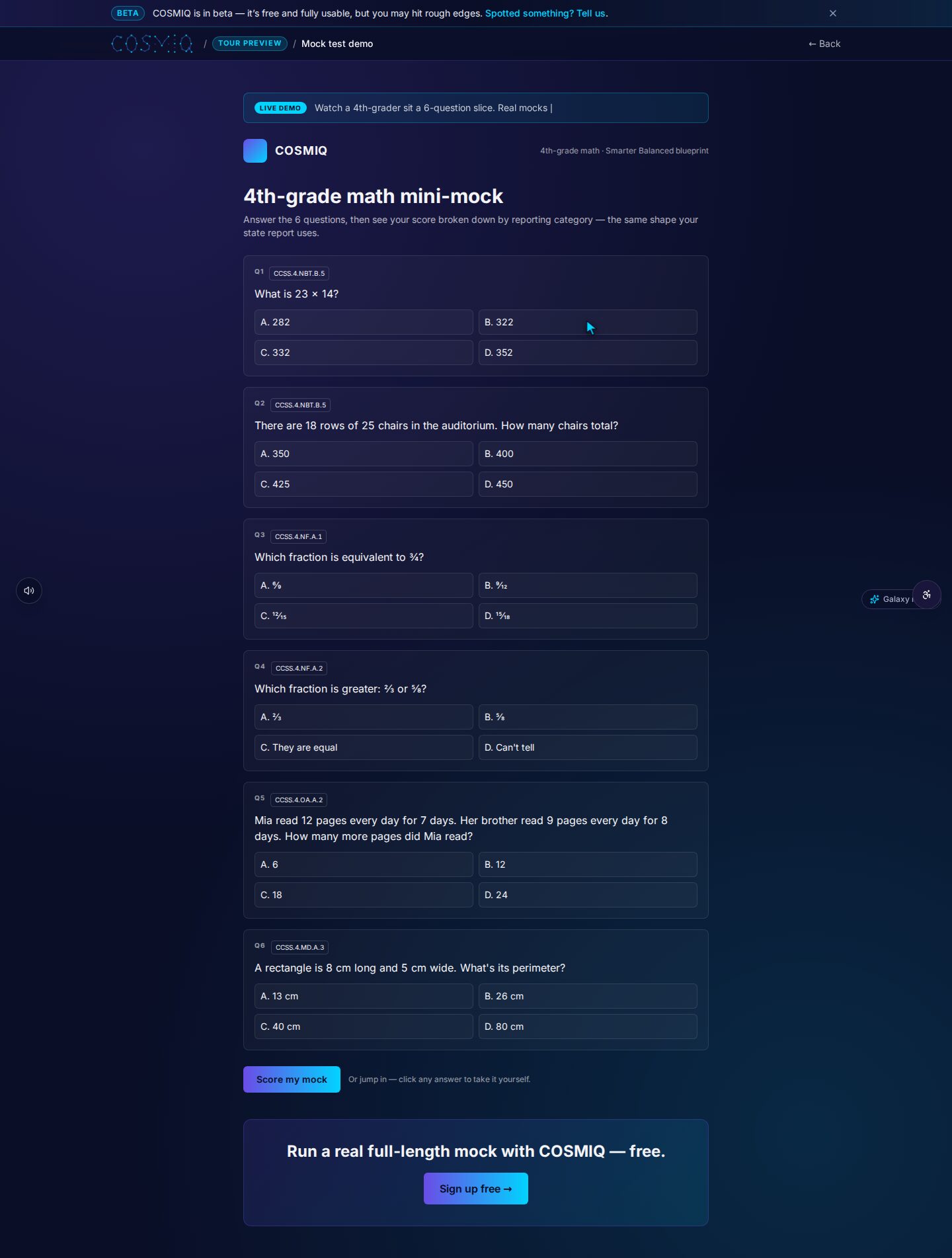
Such advancements could revolutionize how we approach teaching and learning, enabling educators to be proactive rather than reactive. This means that instead of waiting for a student to fall behind, you could receive alerts about potential struggles before they occur. But whether you’re working with current technology or looking ahead, the core mission remains the same: to ensure every student has the opportunity to succeed.
Evaluating RTI Software Options
When it comes to selecting RTI software, the options can feel overwhelming. You’ll want to consider several factors to ensure that you choose the right fit for your school or district. First, evaluate the user interface. Is it intuitive? Teachers and staff will be more likely to use software that is straightforward and easy to navigate.
Next, consider the software’s ability to integrate with existing systems. If you already use a student information system, you’ll want to ensure that your RTI software can seamlessly connect with it. This will reduce redundancy and make managing student data less cumbersome.
Additionally, look for software that offers robust reporting features. The ability to generate comprehensive reports can save you time and provide valuable insights into student performance. Ultimately, the right RTI software should align with your educational goals and enhance your ability to support each student.
The Role of Stakeholders in RTI Implementation
Implementing RTI software is not just the responsibility of educators; it requires the involvement of various stakeholders, including administrators, parents, and even students. Administrators play a crucial role in championing RTI initiatives and ensuring that teachers have the resources they need.
Parents can also provide valuable insights into their child’s learning needs. By involving them in the process, educators can create a more comprehensive understanding of each student’s strengths and weaknesses. Similarly, students themselves can be engaged in their learning through goal-setting and reflection. Encouraging students to take ownership of their data fosters a sense of agency and responsibility.
Building a Culture of Continuous Improvement
Finally, to truly make the most of RTI software, schools should work towards building a culture of continuous improvement. This means regularly reviewing data, reflecting on practices, and being open to change. The effectiveness of RTI efforts should always be evaluated, and adjustments should be made as necessary.
Encouraging a growth mindset among staff and students can lead to a more dynamic approach to education. Celebrate successes, but also acknowledge areas for growth. By fostering an environment where data drives decisions and innovation is welcomed, schools can effectively utilize RTI software to create lasting change.
So, as you think about RTI software, remember that it’s not just a tool. It’s a partner in your mission to provide the best possible education to every student in your care. Embrace it, learn it, and apply it to make a real difference.
Related resources: response to intervention software
Learn anything, free.
COSMIQ is a free, voice-driven AI tutor for every learner. No credit card, ever.
Start learning free →