Screen-Reader-Friendly Tutoring That Just Works

Understanding the Need for Screen-Reader Tutors
As technology becomes more integrated into education, the importance of accessibility has never been clearer. Students with visual impairments face unique challenges, and that’s where screen-reader tutors come in. These specialized tutors can make all the difference in a low-vision student's learning journey, tailoring their methods to be as effective as possible. But why is this type of tutoring crucial? Let’s break it down.
Imagine trying to navigate a complex math problem when the numbers and letters are just a blur. That’s the reality for many students with low vision. They need tools and educators who understand their specific challenges and can deliver content in a way that’s engaging and easy to comprehend. An AI tutor for disabled students can serve as a supplementary resource, providing instant feedback and personalized learning experiences.
Features of an Effective Screen-Reader Tutor
So, what exactly should you look for in a screen-reader tutor? First off, familiarity with screen-reading software is a must. This means they should be able to optimize their lessons to be compatible with programs like JAWS or NVDA. If a tutor doesn’t understand how these tools work, you might as well be teaching a fish to climb a tree.
Also, an IEP-friendly tutor is essential for students with individualized education plans. They need to know how to incorporate specific goals and adjustments into the lessons. For instance, if a student requires extra time to process information, a good tutor will build that into their teaching style. This kind of personalized attention can turn a challenging subject into an enjoyable learning experience.
Furthermore, effective communication skills are key. A great screen-reader tutor should be able to explain concepts in a variety of ways, adjusting their tone and complexity as needed. This adaptability not only enhances the learning experience but also helps build the student’s confidence. For example, if a student is struggling with a specific concept in science, the tutor might use analogies, visual aids, or even hands-on experiments to clarify.
Lastly, patience is an invaluable trait for any tutor, particularly for those working with low-vision students. Learning can be a slow process, and students may need to revisit concepts multiple times. An effective tutor should remain encouraging and supportive, assuring the student that it’s perfectly okay to ask questions or request additional clarification.
Why AI Tutors Are Game-Changers
AI tutors are rapidly becoming an invaluable resource in education, and they hold immense potential specifically for disabled students. An accessible AI tutor can offer 24/7 support, providing students with learning opportunities outside traditional classroom hours. This flexibility is a game-changer for many families.
Let’s consider a practical example. A student who struggles with reading comprehension due to low vision can interact with a screen-reader-friendly AI tutor that reads texts aloud and breaks down complex passages into simpler, digestible parts. This immediate, tailored feedback helps build confidence and reinforces learning. Their ability to adapt to various learning styles means that no student is left behind.
Imagine a scenario where a student can’t attend their regular classes due to health issues. An accessible AI tutor can step in to fill that gap, ensuring the student doesn’t fall behind. This adaptability is vital, especially during situations like extended illness or recovery periods. With AI, students can progress at their own pace, accessing materials when they feel ready and able.
Moreover, AI tutors can continuously learn and evolve based on student interactions. If a student frequently struggles with a particular type of math problem, the AI can recognize this pattern and adjust its teaching methods accordingly. It might present additional resources or practice problems focused on that area, catering specifically to the student's needs. This level of responsiveness is hard to achieve with traditional tutoring methods.
Balancing Technology and Human Interaction
While AI tutors offer great advantages, they shouldn’t replace human interaction completely. There's something irreplaceable about the personal touch a human tutor can provide. They can recognize when a student is frustrated and adjust their approach accordingly. An IEP-friendly tutor can also foster a supportive environment that encourages students to ask questions and voice concerns.
This doesn’t mean you should shy away from technology. Instead, think of it as a partnership. Use an accessible AI tutor in conjunction with traditional methods. For instance, a screen-reader tutor might focus on a particular math concept one week, while the AI tutor can reinforce that learning by offering practice problems or quizzes tailored to the individual’s pace.
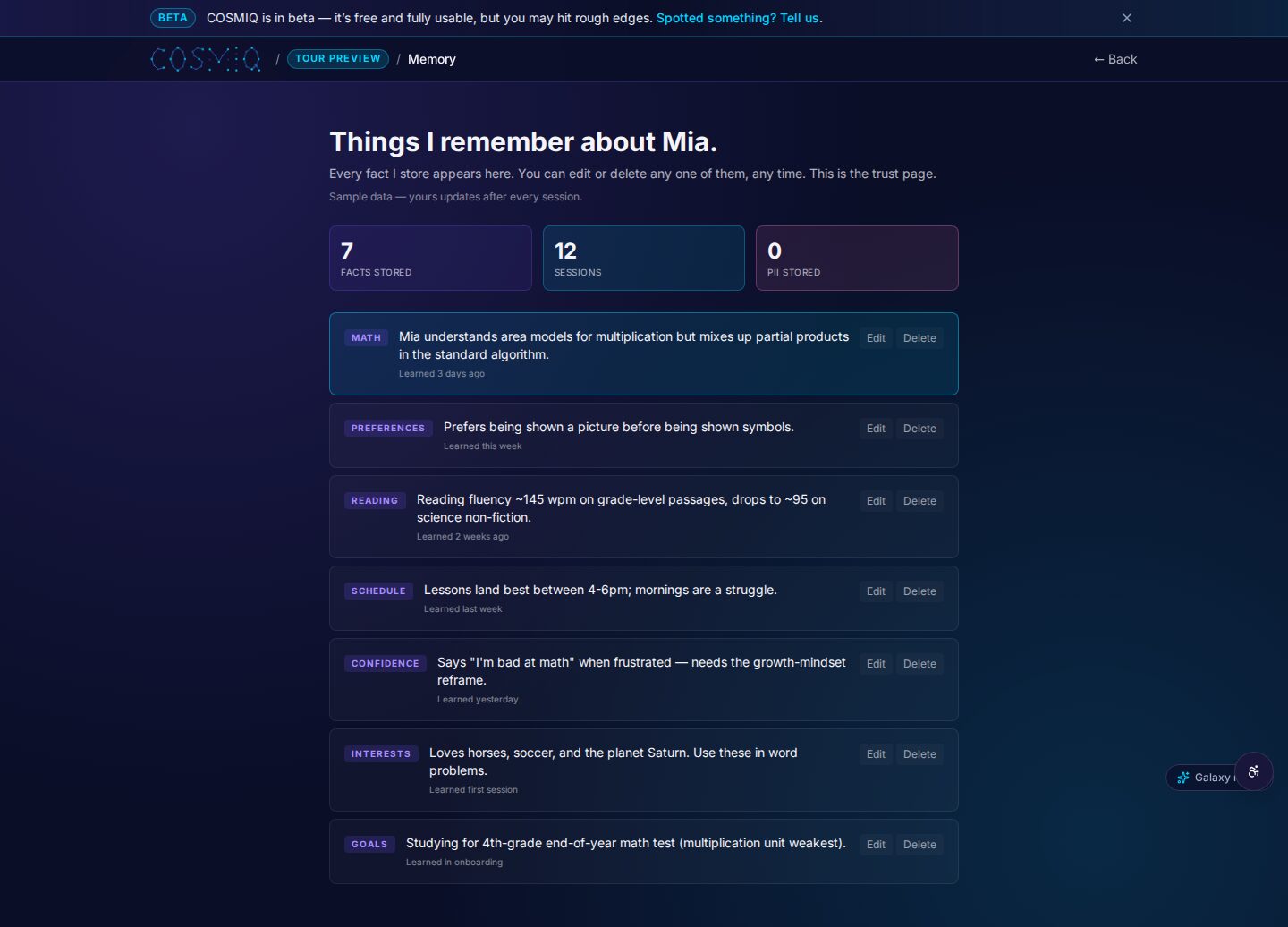
Moreover, the blend of technology and human interaction can create a richer educational experience. Tutors can utilize insights from AI analytics to inform their teaching strategies. For example, if the AI identifies that a student is struggling with a specific type of question, the tutor can directly address that issue in their next session, ensuring no time is wasted and the learning process remains fluid.
Think about the additional benefits of human intuition in tutoring as well. A tutor might notice subtle signs of disengagement or anxiety in a student that AI simply can't pick up on. They can intuitively change the direction of a lesson or incorporate games and fun activities that reignite interest. This synergy between human and machine can lead to a more comprehensive learning experience.
Strategies for Effective Low-Vision Tutoring
When it comes to low-vision tutoring, specific strategies can enhance the learning experience. First, always ensure the materials are accessible. This includes using large print books, high-contrast visuals, and audio resources. An accessible AI tutor can also provide resources in various formats, making lessons more dynamic.
Incorporating multisensory techniques can also be beneficial. For example, using tactile learning aids or digital apps that provide auditory feedback can make a lesson more engaging. A good screen-reader tutor will experiment with different approaches and find what resonates with each student.
Another effective strategy is the use of technology-assisted tools like digital whiteboards, where tutors can write or draw concepts that the screen-reader can narrate. This offers the student a chance to visualize complex ideas clearly, combining text with auditory feedback. For subjects like geometry, where spatial understanding is crucial, this method can clarify concepts quickly and effectively.
You can also create a structured routine. Predictability helps students with disabilities feel secure and focused. An IEP-friendly tutor might establish a consistent schedule, allowing students to know what to expect during each session. This routine can help in reducing anxiety and promoting better learning outcomes.
Additionally, regular breaks during learning sessions can greatly benefit low-vision students. These breaks allow students to recharge and process the information they’ve just learned without feeling overwhelmed. For instance, a 10-minute break after every 30 minutes of focused learning can maintain their engagement and effectiveness for longer periods.
Creating a Supportive Learning Environment
Creating an environment conducive to learning goes beyond just the material; it encompasses emotional and social support as well. A tutor must build a rapport with their students, establishing trust and open lines of communication. This is especially important for students with disabilities who may feel isolated or frustrated.
Encouraging peer interaction is also crucial. Group learning sessions where students can share experiences and strategies can foster a sense of community. Think about forming study groups with other students using accessible AI tutors, or partnering with a screen-reader tutor for collaborative projects. This way, students don’t just learn from their tutors; they learn from each other.
Creating a positive reinforcement system can also work wonders. Celebrate small achievements and progress, no matter how minor they may seem. This can inspire students to push through challenges. A simple acknowledgment of effort can go a long way, especially in a subject where they might be struggling.
Additionally, the physical learning environment should be adaptable to a student's needs. Ensure that the learning space is free from distractions and clutter. For example, using a quiet room with soft lighting can be beneficial for students with low vision, as harsh lights or distracting visuals can hinder focus. This thoughtful consideration can make a significant difference in how engaged and comfortable a student feels.
Assessing Progress and Making Adjustments
Regular assessments are vital to ensure that a student is making progress. The beauty of using an accessible AI tutor is that it can provide instant analytics, helping identify areas where a student excels or struggles. However, this data should complement the human touch.
An IEP-friendly tutor should meet regularly with parents and educators to discuss this data, making necessary adjustments to the learning plan. If something isn’t working, it’s crucial to pivot quickly. For example, if a student finds a particular reading material overly challenging, a screen-reader tutor might choose a different text that still meets learning objectives but is more manageable.
Assessments should also include qualitative measures, such as student self-reflections. Encouraging students to articulate what they find challenging or enjoyable can provide deeper insights that standard tests might miss. This dialogue can inform tutors about the emotional and psychological states of their students, allowing for a more holistic approach to education.
Regular feedback loops also play an essential role in the assessment process. After each session, a tutor could set aside a few minutes for self-assessment with the student, discussing what strategies worked well and what didn’t. This reflection can empower students, helping them see their growth over time and motivating them to take an active role in their learning journey.
Building Lifelong Learning Skills
Tutoring isn't just about delivering content; it's also about teaching students how to learn. The ultimate goal is to equip students with skills that will serve them well beyond their immediate academic needs. A screen-reader tutor should focus on fostering independent learning habits.
One way to build these skills is by teaching students to set SMART goals—Specific, Measurable, Achievable, Relevant, and Time-bound. For example, instead of saying, 'I want to get better at math,' a student might aim, 'I will complete five math practice problems every day this week and review them with my tutor on Friday.' This specificity can help students take ownership of their learning.
Additionally, incorporating study techniques like spaced repetition and active recall can enhance retention. An accessible AI tutor can provide flashcard systems that leverage these techniques, allowing students to revisit material at increasing intervals, which is proven to improve memory.
Another effective strategy for building lifelong learning skills is teaching metacognition. Encourage students to think about how they learn best—understanding the strategies that work for them can help them tailor their study habits in the future. For example, if a student discovers that they remember information better when it's presented audibly rather than visually, they can apply that insight to future learning situations.
The Future of Screen-Reader Tutoring
As technology continues to evolve, so will the methods for tutoring students with disabilities. We’re already seeing advancements in AI that can create more tailored educational experiences. An AI tutor for disabled students is not just a trend; it’s a stepping stone toward a more inclusive educational landscape.
Imagine a future where every student, regardless of their abilities, has access to a completely personalized learning experience. With dedicated screen-reader tutors and accessible AI tools, we’re not just making education more accessible; we’re enriching it. This is a journey, and each step forward makes it a little easier for students to thrive.
Looking ahead, advancements in technology may also pave the way for more immersive learning experiences. Virtual reality (VR) and augmented reality (AR) could offer students with low vision unique opportunities to engage with learning materials in ways that traditional methods can’t.
In this envisioned future, a low-vision student might wear special headsets that overlay digital information in their visual field, allowing them to interact with 3D models or virtual environments. With the right screen-reader tutor guiding them, these students would not only learn core subjects more effectively but also gain critical skills in technology and digital literacy, preparing them for a world that increasingly relies on these competencies.
Diverse Learning Modalities
Related resources: low-vision tutoring
Learn anything, free.
COSMIQ is a free, voice-driven AI tutor for every learner. No credit card, ever.
Start learning free →