See the Daily Reading Demo: Level-Matched Passages in Action

If you’ve ever found yourself struggling to connect your reading material with the right audience, you’re not alone. Teachers, parents, and tutors alike often face the challenge of matching texts to students’ varying reading levels. It can be frustrating. But what if you had a resource that could provide level-matched passages to make daily reading a breeze? Enter the daily reading demo.
Understanding Level-Matched Passages
Level-matched passages are texts carefully selected to align with a student’s reading abilities. Think of it like a tailored suit; it fits just right. These passages consider vocabulary, sentence structure, and complexity, ensuring that students aren’t overwhelmed but still challenged enough to grow. For instance, a third-grader struggling with comprehension won’t benefit from a college-level text. Instead, they’d thrive with material that introduces new vocabulary within a familiar context.
But why does this matter? Comprehension is the cornerstone of reading development. When students engage with texts suited to their level, they are more likely to understand and retain information. This isn't just about reading; it’s about building confidence. Imagine a student picking up a book and feeling proud of what they can read. That’s powerful. Consider, for instance, a fifth grader who reads a passage about planets at their level—suddenly, they can not only recount facts but also engage in meaningful discussions about space.
You might wonder how to find or create these level-matched passages. One effective strategy is to use resources like leveled reading programs or educational websites that categorize texts by grade and skill level. Collaborating with other teachers can also yield a treasure trove of materials that have proven effective in classrooms similar to yours. This collaborative effort not only broadens your resource pool but also allows for the sharing of best practices, enhancing the quality of educational materials available.
The Daily Reading Demo Experience
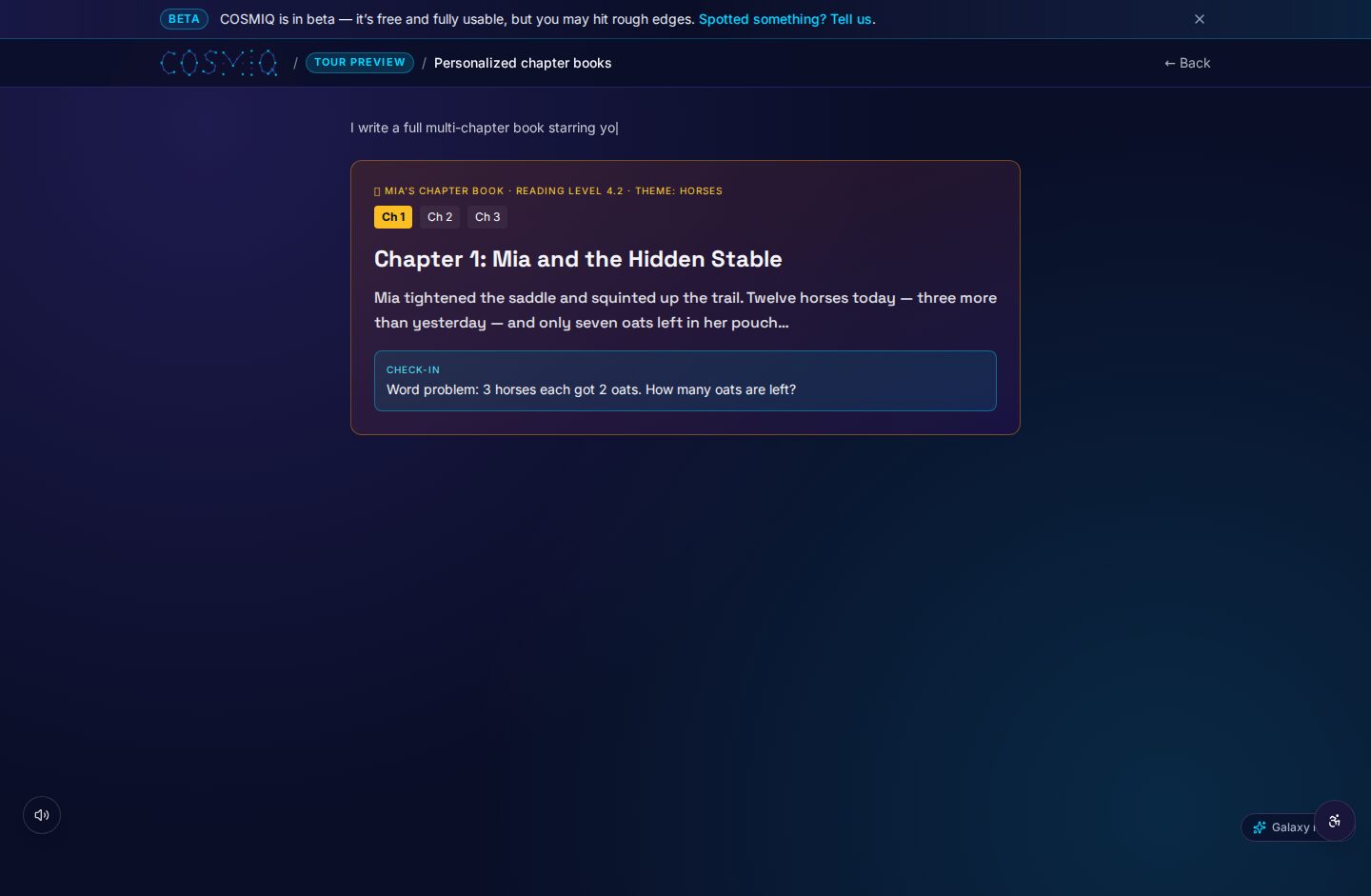
So, how does a daily reading demo work? Picture this: each day, you present students with a short passage that’s level-matched. You might begin with a brief introduction to the topic. For example, if the passage is about ocean life, you could show a picture of a dolphin and ask what students already know. This primes them for the reading.
As students read, you can facilitate discussions, asking guided questions that encourage deeper thinking. This isn’t just about reading words on a page; it’s about connecting those words to real-world experiences. Let’s say the passage discusses coral reefs. You could take a few minutes to explain why reefs are essential to marine ecosystems, enriching the passage with context. By making these connections, you help students see reading not merely as an academic exercise but as a gateway to understanding the world.
After the reading, encourage students to reflect on what they’ve learned. A great technique is to ask them to draw a concept map that illustrates the main ideas from the passage and their connections to their existing knowledge. This engages their creative side and reinforces their comprehension. Imagine a student using colored markers to create a vibrant diagram that links dolphins, coral reefs, and pollution; it’s a visual testament to their understanding and curiosity.
Creating Your Own Daily Reading Demos
Ready to create your own daily reading demo? Start by selecting a variety of texts across different subjects and genres. Reliable resources include children's literature, nonfiction articles, and even excerpts from popular media. The key is variety; students must encounter different writing styles and formats.
Next, assess your students’ reading levels. This could be through informal assessments or standardized tests. Once you have a clear understanding of their abilities, you can curate passages that suit their levels. Keep a library of these passages ready, categorized by difficulty, theme, and genre. That way, each day’s reading can be fresh and engaging.
When selecting passages, consider including both fiction and nonfiction. Fiction can ignite imagination and creativity, while nonfiction can provide valuable factual information. For instance, if you have a passage about a historical event, pair it with a fictional story set during that same time. This approach allows students to explore various perspectives and enhances their overall understanding. Think about it: when students read a story about a young girl growing up during the American Revolution, they can connect emotionally and grasp the historical context much more deeply.
Engaging Students with Interactive Elements
One of the best ways to enhance a daily reading demo is to incorporate interactive elements. This can be as simple as group discussions or as elaborate as role-playing activities. For instance, after reading a passage about a historical figure, you could have students act out scenes from that person’s life. This brings the text to life in a way that mere reading cannot.
Consider using technology, too. Apps and websites can provide level-matched passages along with quizzes and games to reinforce comprehension. The visual and interactive components can capture students’ attention, especially those who might be reluctant readers. They’ll engage with the material in a way that feels less like work and more like play.
Incorporating multimedia presentations can also boost engagement. For instance, after reading a passage about the solar system, you could show a short video clip that illustrates the planets in motion. This combination of reading and visual learning caters to different learning styles and helps solidify understanding. Imagine the excitement in the room when students can see and hear about Saturn’s rings right after reading about them—it adds a whole new dimension to their learning experience.
Monitoring Progress Through Daily Reading Demos
How do you know if your daily reading demo is working? You’ve got to monitor progress. Keep track of students’ comprehension through quick quizzes or informal discussions. Ask them to summarize what they read or share their thoughts on the topic. These little check-ins can provide insight into their understanding and retention.
You might also consider keeping a reading log. Students can jot down new words, interesting facts, or personal reflections about the texts. Regularly reviewing these logs can give you a snapshot of their growth over time. It’s rewarding to see how far students have come, especially when they can reference specific examples from their reading.
Another effective approach is to engage students in self-assessment. After a reading session, ask them to rate their understanding on a scale from one to five. This gives you a sense of who is struggling and who feels confident. You can then adjust your future demos based on this feedback. Perhaps a student circles a three and mentions they didn’t understand a specific term; this can guide your next discussion or lesson.
Fostering a Love for Reading
At the end of the day, what’s the goal of a daily reading demo? It’s about fostering a love for reading. When students find themselves immersed in level-matched passages, they’re not just learning to read; they’re learning to enjoy it. This love of reading will serve them throughout their lives. Whether it’s for academic purposes, personal enrichment, or sheer enjoyment, being able to read well is a crucial skill.
Encouraging students to explore various genres can also ignite their passion. Introduce them to fantasy, science fiction, biographies, and poetry. The more they read, the more they’ll discover what they enjoy. This not only builds their skills but also cultivates critical thinking and empathy.
Consider hosting a ‘genre exploration day’ where students can bring in books from home that represent different genres. They can share what they love about these books in a show-and-tell format. This not only promotes peer learning but also emphasizes the joy of discovery. By sharing their personal connections to stories, they’ll inspire one another to dive into new reading adventures.
Real-World Applications of Daily Reading Demos
Let’s take this one step further. Integrating daily reading demos into your routine has real-world applications beyond the classroom. Think about your community. Local libraries often host reading programs where students can engage with level-matched texts, like the daily reading demo you’ve implemented. Partnering with these programs can enhance students’ experiences and offer them even more resources.
Additionally, consider sharing your approach with other educators. Collaborating can help spread the effectiveness of daily reading demos. You might even start a reading club where students can share their insights and favorite passages with peers. Collaboration not only enhances learning but also builds a community of readers.
Take a moment to reach out to local businesses, asking if they’d be willing to sponsor a reading event. This could involve inviting local authors to speak or holding a community reading day where students showcase their favorite texts. Engaging the community in this way not only reinforces students’ learning but also fosters a culture of reading beyond the classroom.
Innovating with Daily Reading Demos: A Look Ahead
As you implement daily reading demos, think about how you can innovate within this structure. One approach is to incorporate global perspectives by including texts from diverse cultures and languages. For instance, imagine introducing a level-matched passage about the festival of Diwali alongside a traditional story from your local community. This not only broadens students’ understanding of the world but also fosters inclusivity and respect for different cultures.
Another innovative approach is to use thematic units. For example, if you decide to focus on environmental issues, curate a series of passages—some on climate change, others on wildlife conservation. This allows students to see the interconnectedness of different topics and encourages critical thinking. Perhaps they could then create a project or presentation based on their readings, inviting them to draw their conclusions and take action on what they’ve learned.
Let’s not forget the role of creative writing in this mix. After a week of reading level-matched passages, encourage students to write their own stories or essays inspired by what they read. This not only reinforces their comprehension but also allows them to express their thoughts and ideas creatively. By combining reading and writing, you create a dynamic learning experience that engages multiple facets of literacy.
Final Thoughts on Level-Matched Passages
Incorporating a daily reading demo with level-matched passages can transform the reading experience for students. It creates an environment where they can thrive, learn, and develop a genuine love for reading. By carefully selecting texts, monitoring progress, and fostering engagement, you’re equipping students with essential skills that will last a lifetime.
So, as you plan your next lesson, think about how you can implement a daily reading demo. It might just be the spark that ignites a lifelong passion for reading in your students. Remember, the goal isn’t just to teach them to read; it’s to inspire them to want to read, to explore, and to discover the world around them through the pages of a book.
Learn anything, free.
COSMIQ is a free, voice-driven AI tutor for every learner. No credit card, ever.
Start learning free →