Share My Study Plan: Turn Your Goals Into a Public Link
We all have goals, but turning those aspirations into reality often requires structure and accountability. Have you ever found yourself overwhelmed by the sheer number of things you want to achieve? Maybe you’ve got a list of books to read, courses to take, or personal development activities to accomplish. What if you could create a study plan that not only keeps you on track but also allows you to share your journey with others? Enter the concept of a public study plan link—an effective tool to help you turn your goals into a reality.
The Power of a Structured Study Plan
A study plan does more than list what you want to learn or achieve; it creates a roadmap. By breaking down your goals into manageable tasks, you can avoid the frustration of feeling overwhelmed. Think about it: how often have you set a goal, only to lose sight of it a few weeks in? A structured plan helps you stay accountable and focused.
Let’s say your goal is to read 12 books in a year. Instead of just writing that down and hoping for the best, you could create a plan that outlines which books you’ll read each month, along with a timeline for finishing each one. By specifying when you’ll read and for how long, you’re much more likely to follow through.
Having a structured study plan can also help you prioritize. Imagine you want to improve your professional skills, study for an important exam, and maintain a healthy lifestyle all at once. Without a plan, it’s easy to get sidetracked. With a structured approach, you can allocate specific time slots to each area. Perhaps you dedicate Monday evenings to online courses, Wednesday mornings for your health routines, and Saturday afternoons to study for that exam. This method ensures you're making progress in all your goals without neglecting any.
Creating Your Study Plan
So, how do you create a study plan that works for you? Start by identifying your goals. Are they academic, professional, or personal? Write them down. Next, break each goal into smaller, actionable steps. This is where you can get creative. For example, if you want to learn a new language, your plan could include daily vocabulary practice, weekly conversation practice, and monthly progress checks.
Once you’ve outlined the tasks, it’s time to consider timelines. How long do you expect each task to take? It’s okay if you’re not completely accurate—this is a flexible plan designed to adapt to your needs. For instance, if you think mastering a new grammar concept will take a week, but it ends up taking two, that’s fine. Adjust your plan accordingly.
Finally, consider how you want to track your progress. Will you use a digital tool, a physical notebook, or a combination of both? Some people thrive with tangible planners, where they can physically cross off completed tasks, while others prefer the immediacy of apps that send them reminders and notifications. Choose the method that resonates most with you—it makes all the difference in sticking to your plan.
Making It Social: The Social-Shareable Intervention Plan
Now, here’s where the concept of a social-shareable intervention plan comes into play. Sharing your study plan with others can significantly enhance your accountability. It’s one thing to keep your goals to yourself, but once you share that public study plan link, it adds a layer of commitment. You’re not just accountable to yourself; you’re also accountable to your audience.
You might ask, 'Why should I share my study plan?' Well, for starters, it can inspire others. When you make your goals visible, you might motivate friends or family members to pursue their own aspirations. You could create a ripple effect of motivation. Additionally, you’ll receive support and encouragement, which can be incredibly uplifting when you hit a roadblock. Sharing your journey can create a community of mutual support and motivation.
Moreover, sharing your study plan doesn’t only involve putting it out there for the world to see; it invites feedback. Friends or followers may have tackled similar goals and can provide insights that can refine your approach. They may suggest resources, share their struggles, or even propose collaborative study sessions. This collaborative spirit can enhance your learning experience.
Tools for Sharing Your Study Plan
Creating a public study plan link has never been easier, thanks to numerous online platforms. Tools like Google Docs, Notion, or Trello allow you to create and share your study plan seamlessly. With Google Docs, you can provide anyone with access to your study plan while still maintaining control over edits and comments.
Notion takes it a step further, enabling you to create a visually appealing and customizable format for your study plan. You can add checkboxes, timelines, and even reminders. Imagine having an interactive dashboard where you can visualize your progress at a glance. It’s not just about writing; it’s about creating an engaging experience that makes you want to dive back in.
Another option is Trello, which uses a card system to organize tasks. You can create boards for different goals and move cards across lists as you progress. This visual representation can be incredibly satisfying and helps you see how much you've accomplished over time. Plus, Trello allows for collaboration, so inviting others to your board can make the whole process a community affair.
If you’re feeling particularly creative, consider using social media platforms to share snippets of your study plan. Instagram stories or Twitter threads can keep your friends updated while inviting them to engage in discussions about your progress. The key is to find a tool that resonates with you and supports your particular style of learning.
Staying Motivated While Sharing Your Journey
Once you’ve shared your study plan, how do you keep the momentum going? Here’s where collaboration and feedback come into play. Encourage your followers or friends to check in on your progress. Post updates on social media or in your study group to celebrate milestones and share challenges.
Moreover, don’t hesitate to ask for advice. If you’re struggling with a specific segment of your plan, seek suggestions from your peers or followers. They might have insights that you hadn’t considered, opening new pathways for achieving your goals. Plus, this interaction can help you build a supportive network that keeps you motivated.
Another way to stay motivated is to set up a regular check-in schedule. Maybe you have a weekly meeting with a friend where you both review your progress. This could be a simple phone call or a dedicated video chat session. Knowing you’ll share your successes and challenges can keep you on your toes and encourage you to put in the effort.
In addition, consider celebrating small victories publicly. When you reach a milestone, share it with your audience! This not only gives you a boost of motivation but also reinforces your commitment to your goals. You’ll be surprised how many people will cheer you on when you share your accomplishments.
Adjusting Your Study Plan When Needed
Life is unpredictable, and sometimes your study plan will need adjustments. Perhaps you underestimated the time a task would take or got sidetracked by unexpected events. Don’t be hard on yourself; instead, consider it an opportunity to refine your approach.
This is where having a public study plan link can be beneficial. It’s easy to update your plan and inform your audience about the changes. This transparency not only keeps others in the loop but also shows that adaptability is part of the learning process. Everyone faces hurdles, and sharing them can foster understanding and support.
Consider creating a section in your study plan specifically for reflections and adjustments. This can be a simple journal entry or a more structured format where you outline what’s working, what isn’t, and any changes you intend to make. This practice can help you identify patterns in your learning and productivity, and it demonstrates growth in your process.
For instance, if you find that studying for three hours on a weekend isn’t yielding the results you hoped, reflect on that experience and adjust your plan. Maybe shorter study sessions during the week work better for you. By documenting these adjustments and sharing them, you reinforce the idea that growth is not linear and that flexibility is a strength.
Tracking Progress and Celebrating Wins
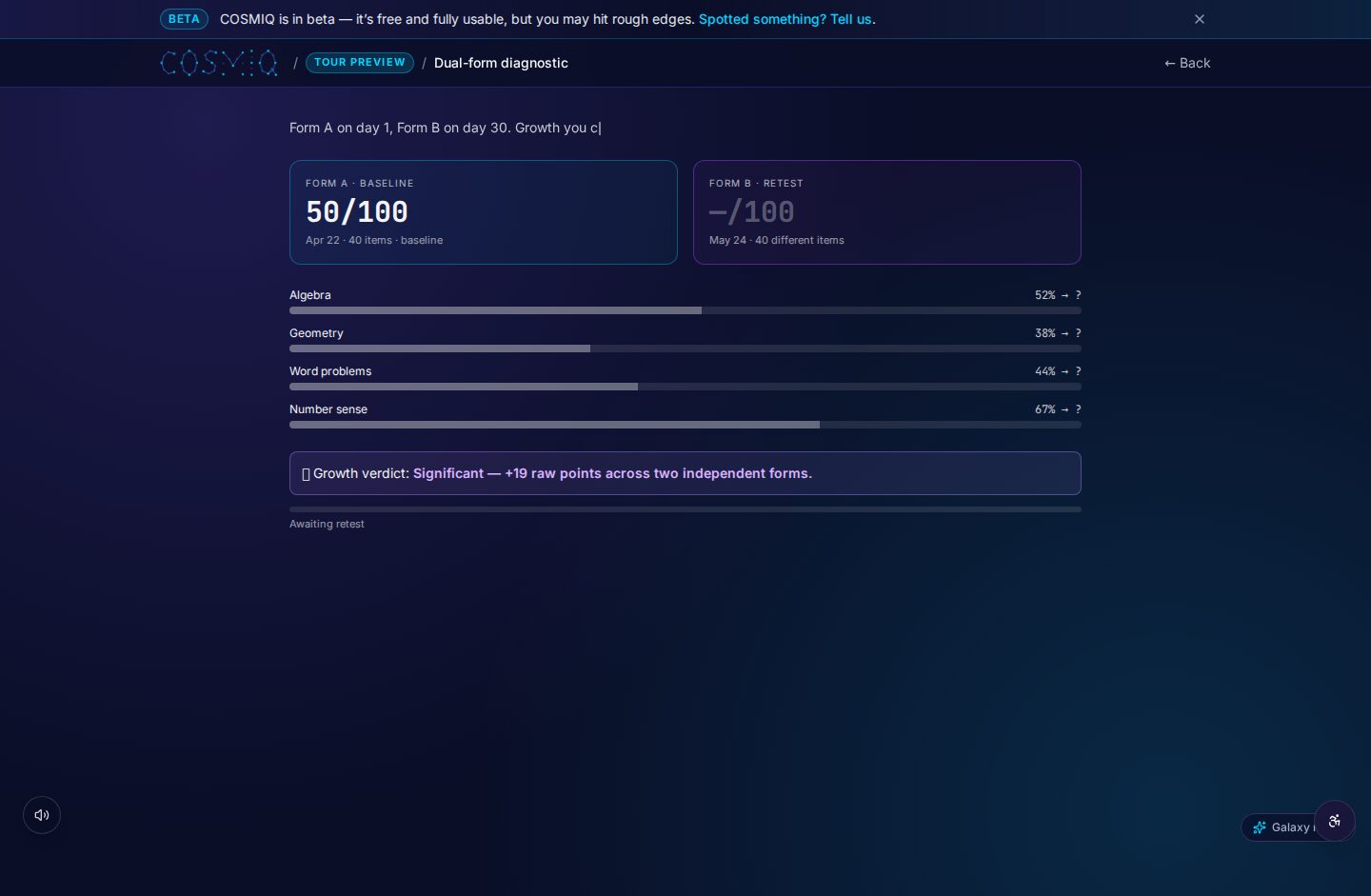
As you work through your study plan, make it a habit to track your progress. Whether you’re using a digital tool or a physical planner, seeing how far you’ve come can be a huge motivator. Celebrate small wins along the way, too. Finished a book? Treat yourself to a coffee. Completed a tricky module? Reward yourself with a night out.
Celebrating these achievements boosts your morale and reinforces positive behavior. Sharing these milestones on your public study plan link can also inspire others. When your audience sees your dedication and progress, it might encourage them to stay committed to their own goals.
You could also consider creating a visual representation of your progress. Charts, graphs, or even a progress bar can show how much you’ve accomplished versus how much is left. Tools like Excel or Google Sheets can help you create these visuals easily. The satisfaction of seeing the bar fill up can be incredibly motivating.
When you reach a significant goal, consider sharing a more detailed reflection on how you accomplished it. This could be a blog post or a lengthy social media update that outlines your journey, the challenges you faced, and how you overcame them. Not only does this practice reinforce your commitment, but it also lays a blueprint for others who are following in your footsteps.
Creating a Supportive Community Around Your Study Plan
One of the most enriching aspects of sharing your study plan is the opportunity to build a community around your goals. When you put your aspirations out into the world, you’re likely to attract like-minded individuals who share a passion for learning and growth. This support system can be invaluable.
Start by inviting friends or family to join you on this journey. Perhaps you create a group chat or a social media group dedicated to discussing your goals, sharing resources, and offering encouragement. The simple act of knowing that others are rooting for you can make a world of difference when the going gets tough.
You could also explore online forums or communities that align with your interests. Websites like Reddit or specialized Facebook groups can connect you with people who are pursuing similar goals. Engaging with these communities opens the door to a wealth of knowledge, tips, and shared experiences.
In addition, consider organizing study sessions or group accountability meetings. These can be virtual or in-person gatherings where you all come together to check in on progress and tackle tasks. The collective energy can create a motivating atmosphere that propels everyone forward.
Final Thoughts on Turning Goals into a Public Link
Creating a public study plan is not just about organization; it’s about community and support. By sharing your journey, you invite others to join you and create a network of accountability. You might even inspire someone else to share their study plan.
Remember, the journey is just as important as the destination. Embrace the challenges and victories alike, and don’t be afraid to adapt your plan as needed. The next time someone asks, 'How can I share my study plan?' you’ll be ready to show them how it’s done. You’re not just documenting goals; you’re building a community of learners and dreamers.
Related resources: social-shareable intervention plan
Learn anything, free.
COSMIQ is a free, voice-driven AI tutor for every learner. No credit card, ever.
Start learning free →